The verdict
Almost every large hotel here has a Balinese or Indonesian restaurant, and nine times out of ten the room is the performance and the plate is an afterthought. On the island the food comes from. The exceptions are worth crossing the island for: Bejana at The Ritz-Carlton for the best rendang I have eaten anywhere, Kudus House at COMO Shambhala for a kitchen that refuses to soften, Kayumanis Jimbaran for smoked duck in Balinese spices, and Cotta at Soori for a chicken cooked for twenty-four hours in volcanic sand. And the rijsttafel your hotel is selling you as authentic Indonesia is, in fact, Dutch.
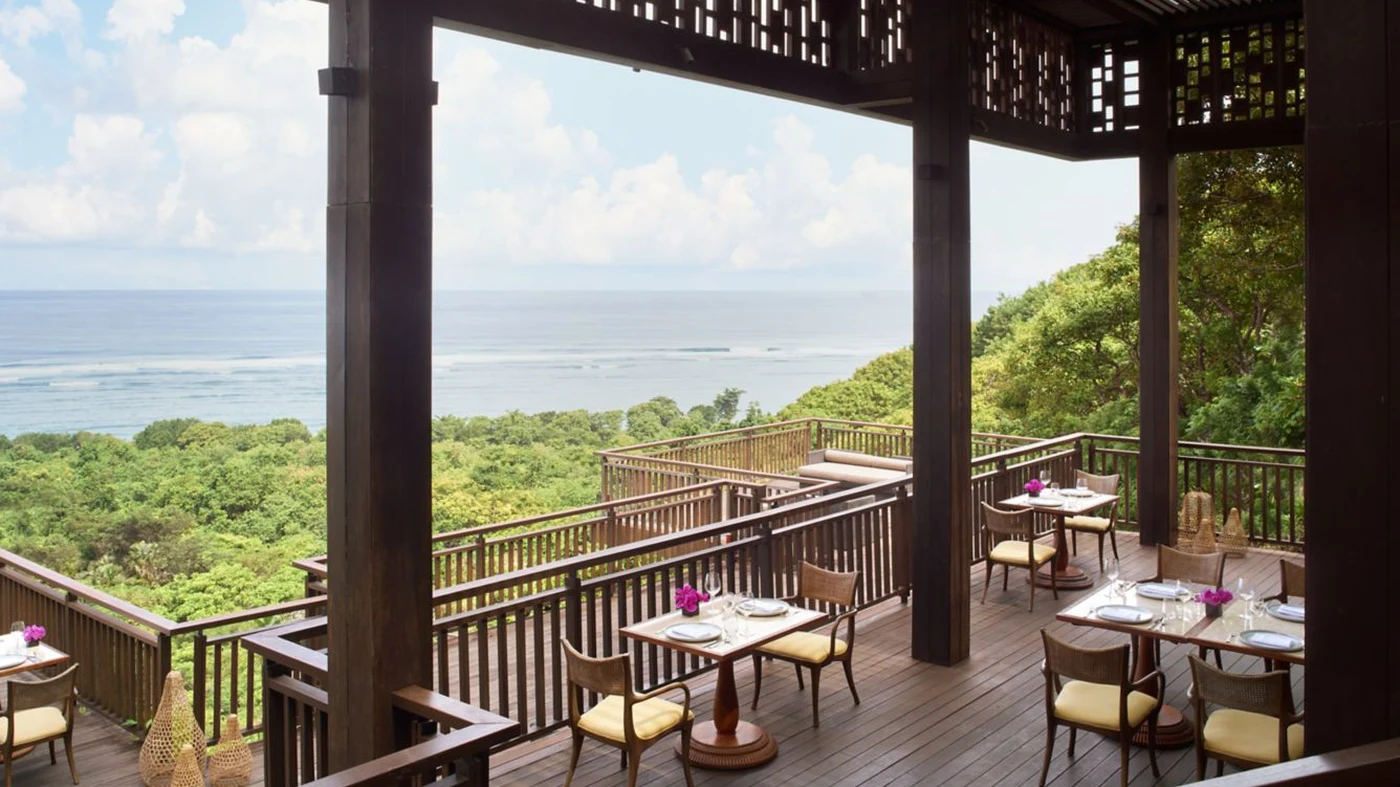
You can picture the room before you have arrived, because every large hotel here has one. Carved doors, a thatched roof, gamelan drifting in from somewhere, staff in traditional dress, lanterns in the trees, a menu bound in batik. It is the room where the hotel performs the country you flew to, and it is almost always beautiful.
Then the food comes, and nine times out of ten it is polite. A rendang with the argument taken out of it. Sate that has been sitting. A sambal that would not frighten a child. The room does the work and the plate turns up to be photographed, and that arrangement bothers me more than anything else on this island.
What makes it strange, rather than merely disappointing, is where we are standing. The cooks are here. The ingredients are here, and they are extraordinary. The recipes are here, in the heads of people already on the payroll, learned from grandmothers who are still alive. The budgets run to millions and the kitchens are staffed more deeply than anything in Europe. If there is a place on earth that ought to serve this cuisine at a level that stops a room, it is a Bali resort with three hundred rooms and a purchasing department.
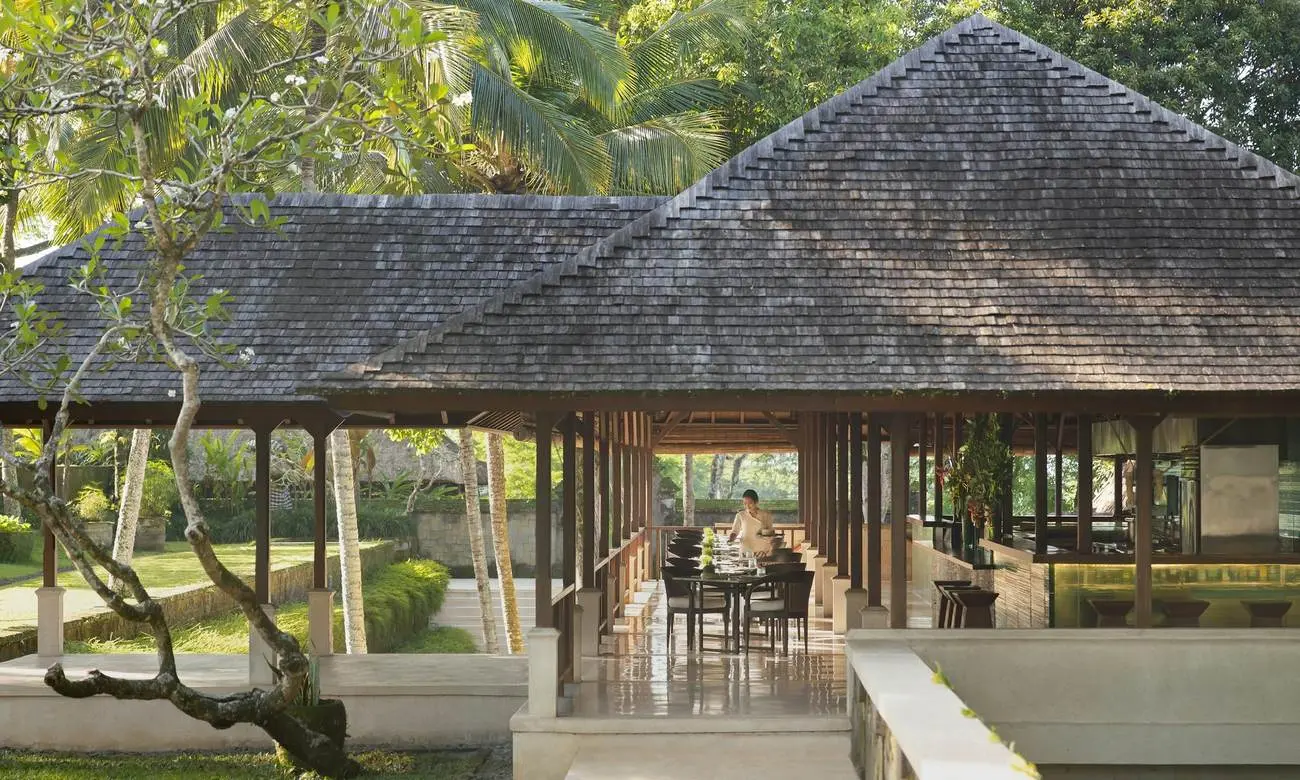
Instead, go on any travel forum and read what experienced visitors tell first-timers. Hotels tone it down for Western palates; if you want the real thing, leave the hotel and find a warung. People have been writing that sentence for fifteen years, and they are not wrong.
The strangest part is that I ate better in The Hague
I lived there for ten years. The Hague is the city that absorbed the Indonesian community after independence, the one they call the widow of the Indies, and it has been cooking this food seriously since the 1950s. Every spring for half a century the Tong Tong Fair filled a field in the middle of town with the largest Eurasian gathering in the world and a street of warungs at the heart of it.
I ate better Indonesian food twelve thousand kilometres from Indonesia than I have eaten in most hotels on this island, and it is worth being precise about why.
It is not the cooks and it is not the produce, both of which favour Bali by a distance. It is the audience. In The Hague that food was cooked for people who knew exactly what it should taste like. Grandmothers who would notice a lazy sambal instantly. Families who could tell you which island a dish came from, and whose aunt made it better. A kitchen cooking for people who know cannot coast, because somebody at table four will say something.
A resort kitchen in Bali cooks for guests who arrived yesterday and have often never eaten the dish before. Nobody will complain, and nobody will know. That is not the guests' fault and it is not a conspiracy. It is the absence of pressure, and it produces exactly what the absence of pressure always produces.
And then there is the thing they are actually serving you
Half the hotels on this island offer a rijsttafel, presented as the full Indonesian experience. The rijsttafel is Dutch. It first appears in the written record in 1863, and it was invented in the colony so that Europeans could display the archipelago's abundance to their guests: ten, twenty, forty little dishes arriving at once, in some houses carried by as many servants. It is not how Indonesian families ate then and it is not how they eat now, which is rice with one or two things beside it, cooked properly.
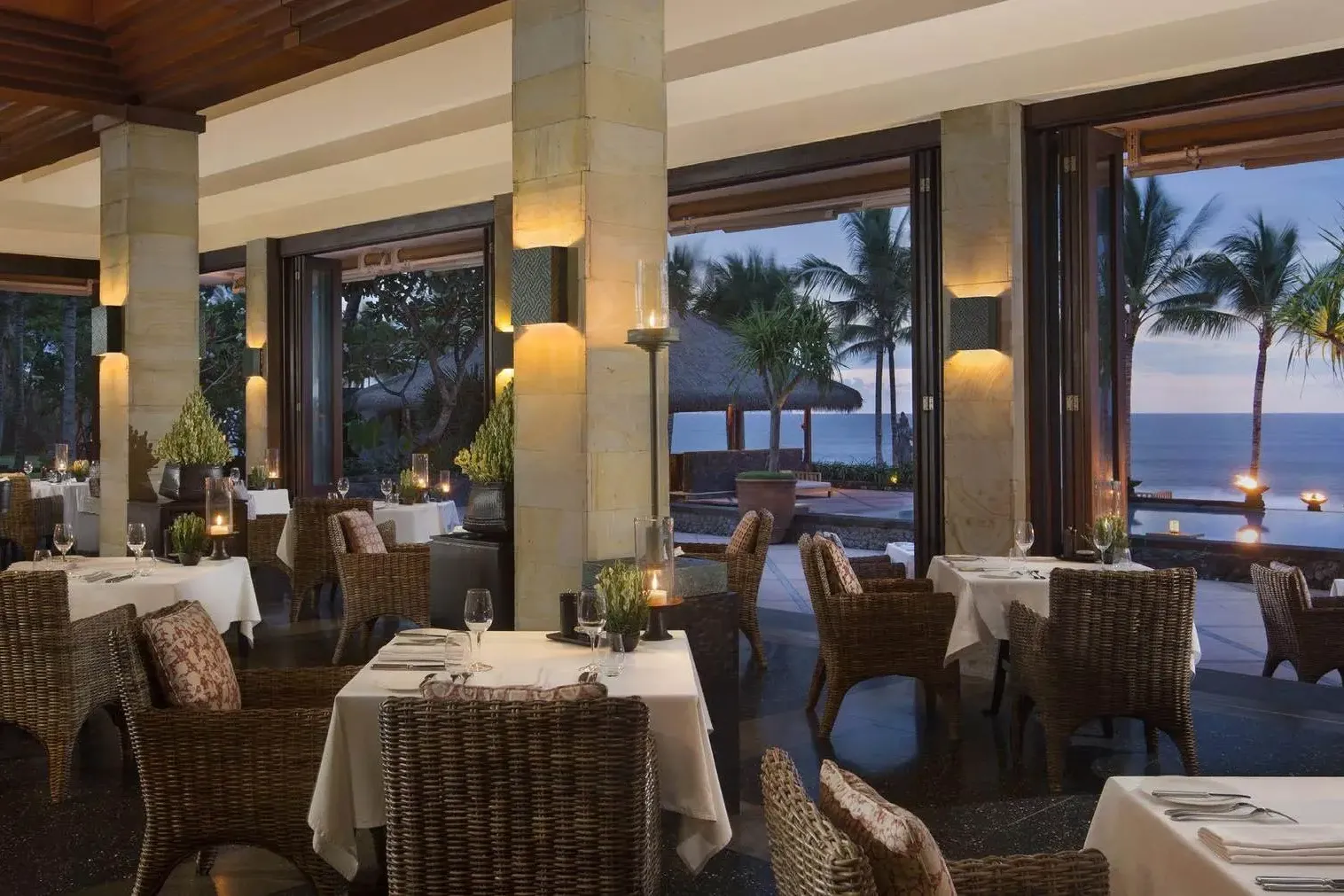
After independence, Indonesian nationalism rejected the rijsttafel precisely because of what it represented, with Sukarno wanting nothing to do with its opulence. The format has effectively vanished from restaurants in this country and survives instead in the Netherlands, where the returning colonial families kept it alive.
So on this island, a hotel with a Balinese gate and a gamelan will sell a tourist a Dutch colonial banquet as the authentic taste of Indonesia. That is orientalism in its purest form: not a cuisine served badly, but a performance of a cuisine, invented by outsiders, sold back to outsiders, in the country that deliberately put it down.
And I should be honest, because the trap has my own footprints in it. I have written that the rijsttafel at The Legian is on its own worth the trip, and I meant it. It is superb. Knowing where the format comes from does not make it taste worse. It only makes it a different thing from what the menu claims.
The repertoire is the smallest part of all
Indonesia has seventeen thousand islands and something in the order of thirteen hundred ethnic groups, each with its own kitchen: Padang, Manado, Toraja, Bugis, Batak, Javanese court cooking, Balinese temple cooking, Maluku, Papua. Hundreds upon hundreds of family recipes that were never written down, most of which no visitor has ever heard of.
Now look at the menu in front of you. Sate. Rendang. Nasi goreng. Mie goreng. Gado gado. Perhaps a babi guling if you are in Bali and lucky. The same eight dishes, in every hotel, for thirty years. It is as though every hotel in Europe had decided that European food means spaghetti bolognese, schnitzel and a steak with pepper sauce, and left it there.
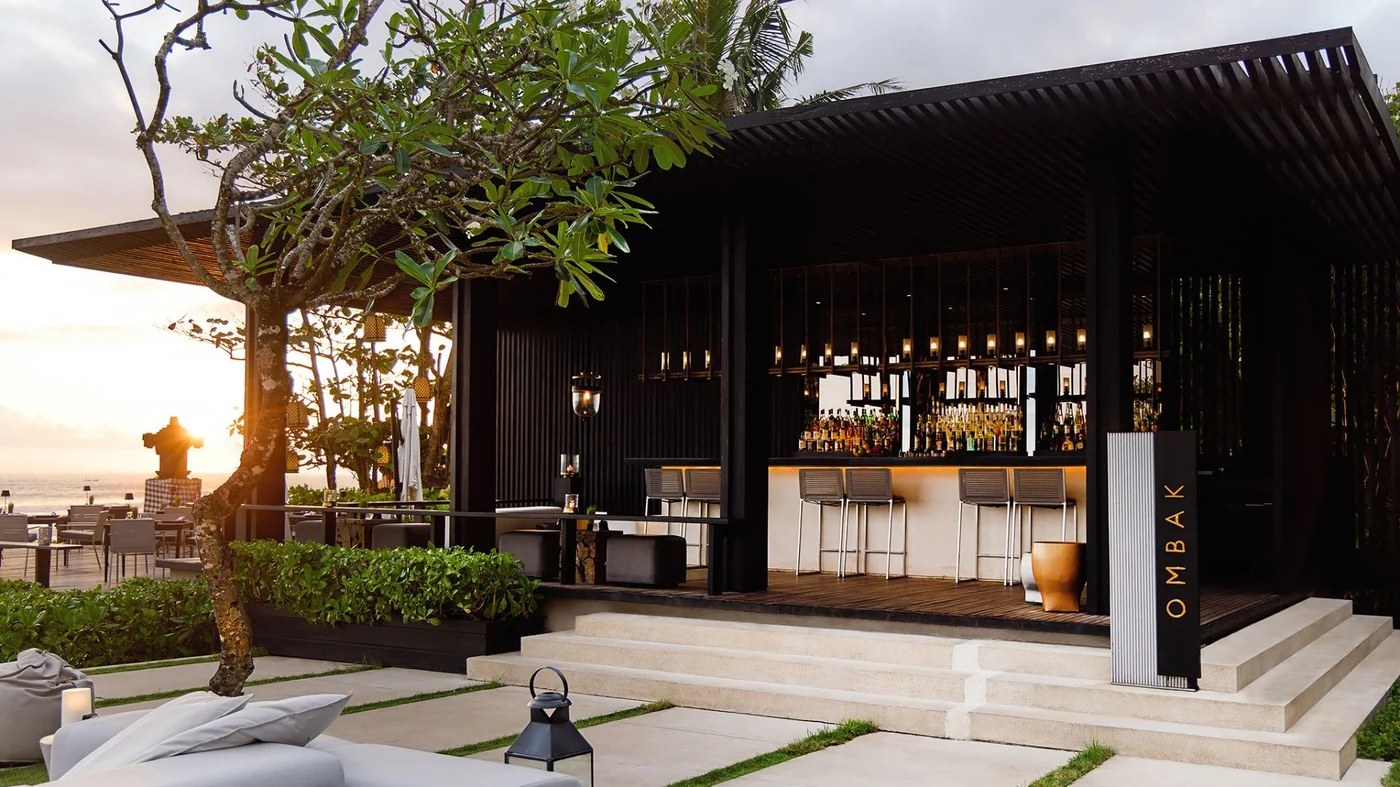
Which is why I keep thinking about a chicken at Soori. You have to ask for it in advance, because it cooks for twenty-four hours buried in volcanic sand, and what arrives is like nothing else I have eaten here. That is one dish, in one hotel, that required a kitchen to plan a day ahead and a guest to be told about it. Every resort on this island has the staff and the budget to do something of that order, and almost none of them do.
I am not asking for reinvention or for tweezers. I am asking for nerve: cook the dish your head chef's mother makes, name the island it comes from, and let it be as strange as it actually is.
It can be done, and I have eaten the proof
At Ta Khai, the signature restaurant of Rosewood Phuket, southern Thai food is cooked by a local couple everybody calls Uncle Nun and Aunt Yai, from ingredients sourced entirely nearby, in a room built to feel like a fishing village. It has been in the Michelin Guide every year since 2019. At The Gulai House at The Datai in Langkawi, Malay curries and Indian dishes are served in an open timber house in the rainforest, and it has won national awards for a concept whose entire innovation is refusing to dilute anything.
Neither is a gimmick and neither is soft. In both cases you arrive with genuine anticipation, to discover dishes you do not know, inside a five-star resort. That is what I keep waiting for here, and Bali has more heritage to work with than either of them.
Which closes a loop. Ta Khai is in the Michelin Guide because Thailand's tourism authority paid to bring the guide to the country. Indonesia has not. A kitchen in Phuket has a scoreboard, and its resort found it worth playing for. A kitchen in Bali does not, and its resort mostly does not bother.
And the two hotels that ought to be leading this
At Four Seasons Jimbaran Bay the main room is called Taman Wantilan, named after the pavilion where a Balinese village gathers to make decisions, and inside it the Balinese cooking is one live station among the Indian counter, the pasta, the teppanyaki and the sashimi bar. At Sayan the equivalent room is Ayung Terrace, where Indonesian dishes from across the archipelago sit inside the all-day offering. Both are competent, both are flat, and neither tastes like anybody's grandmother.
That is the whole argument in one building. The company that invented the modern hotel standard has put the food of the country it is standing in on a counter between the naan and the noodles, given it a Balinese name, and moved on. Nobody is doing anything wrong. It simply tells you how much the cuisine is worth to the operation: one station out of nine.
The ones that get it right, and the gap is enormous
Bejana at The Ritz-Carlton is the best of them. It serves a rendang I still measure every other version against, easily the best I have had anywhere, along with a properly good babi guling and a sambal cart worth flagging down on its own. It should not be surprising to find Indonesian cooking taken this seriously on the island where it comes from, and yet it is.
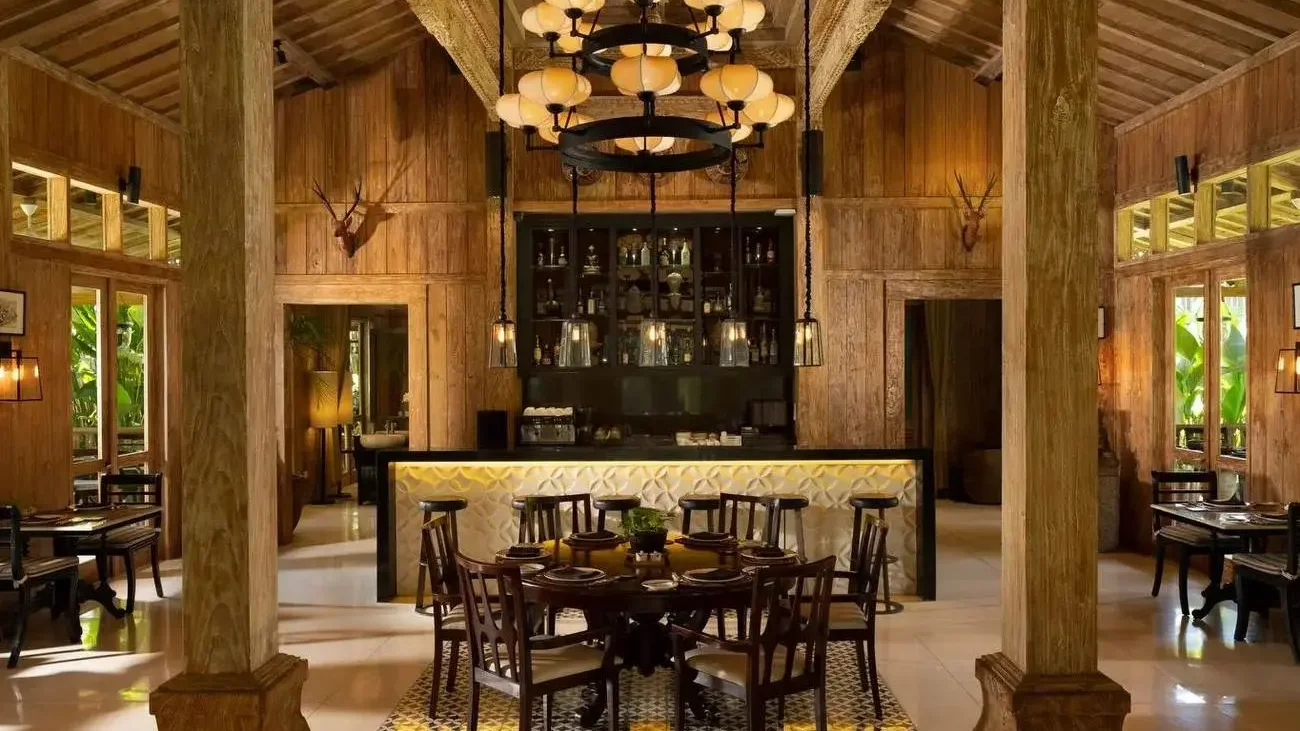
Kudus House at COMO Shambhala Estate refuses to soften. Where most luxury hotels here file this cuisine down into something safely foreigner-friendly, that kitchen pushes the other way, with the estate's own garden doing much of the work. Kayumanis Jimbaran cooks the version most hotels tone down, and their bebek panggang mekudus, smoked duck rubbed in Balinese spices, is the single dish I would send somebody across the island for.
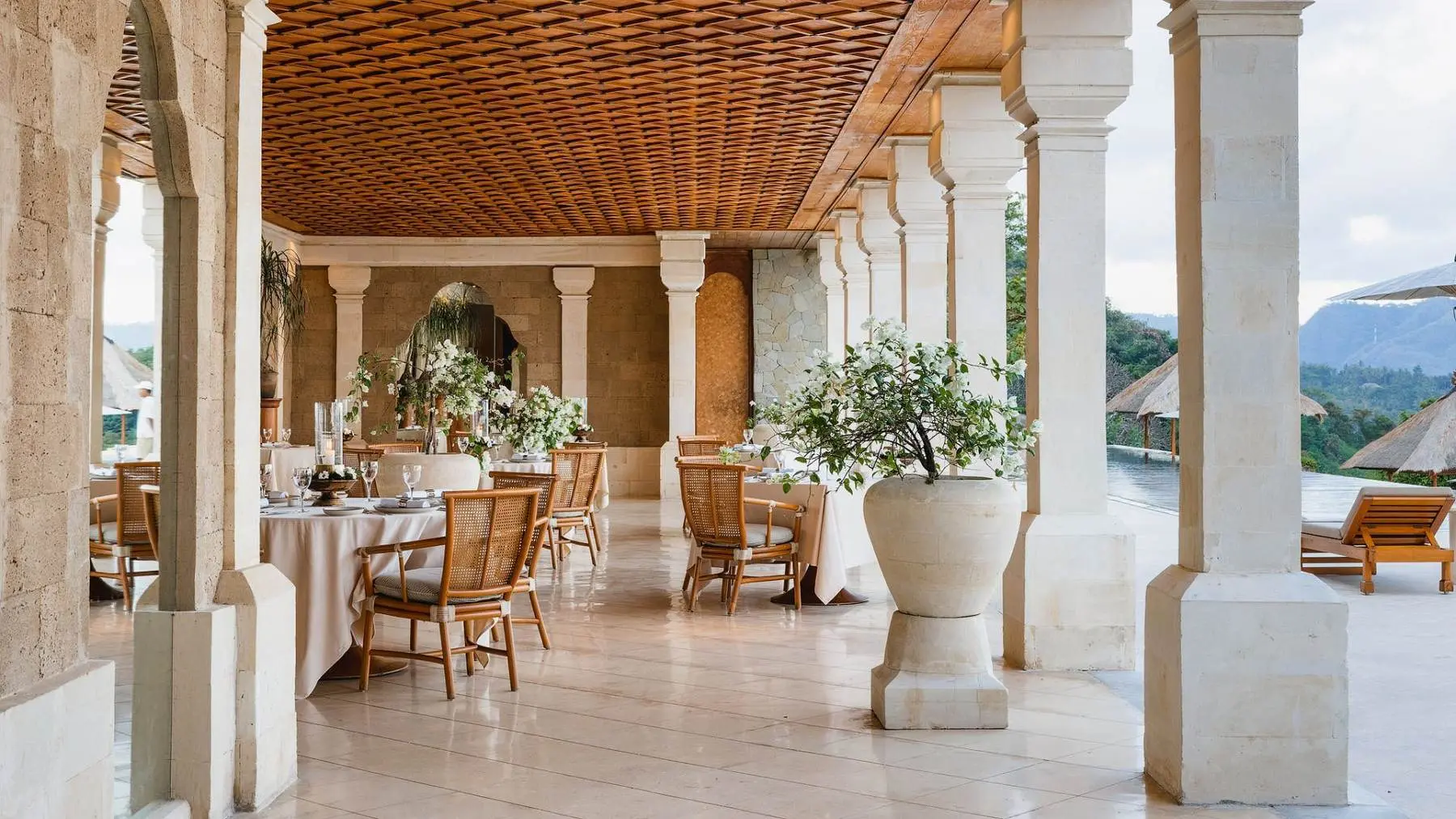
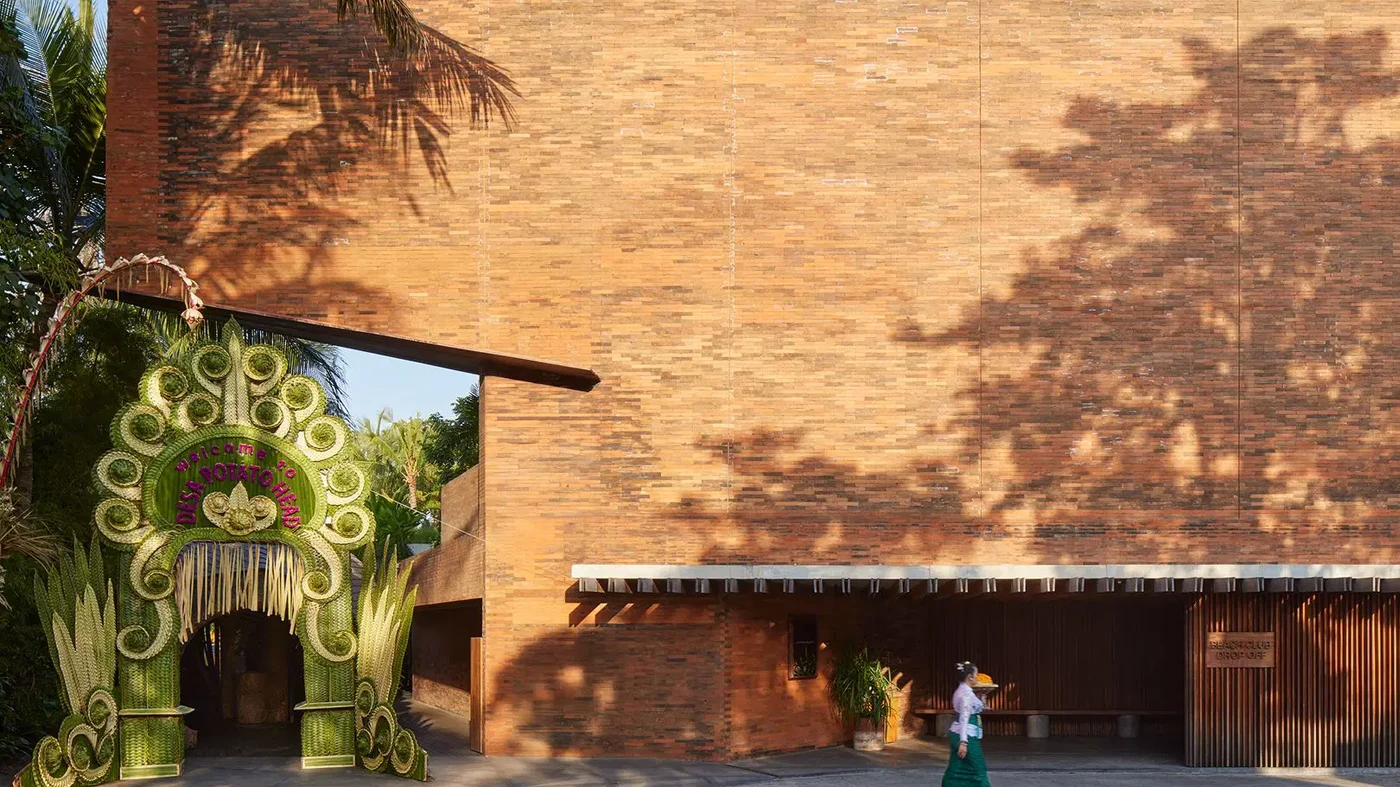
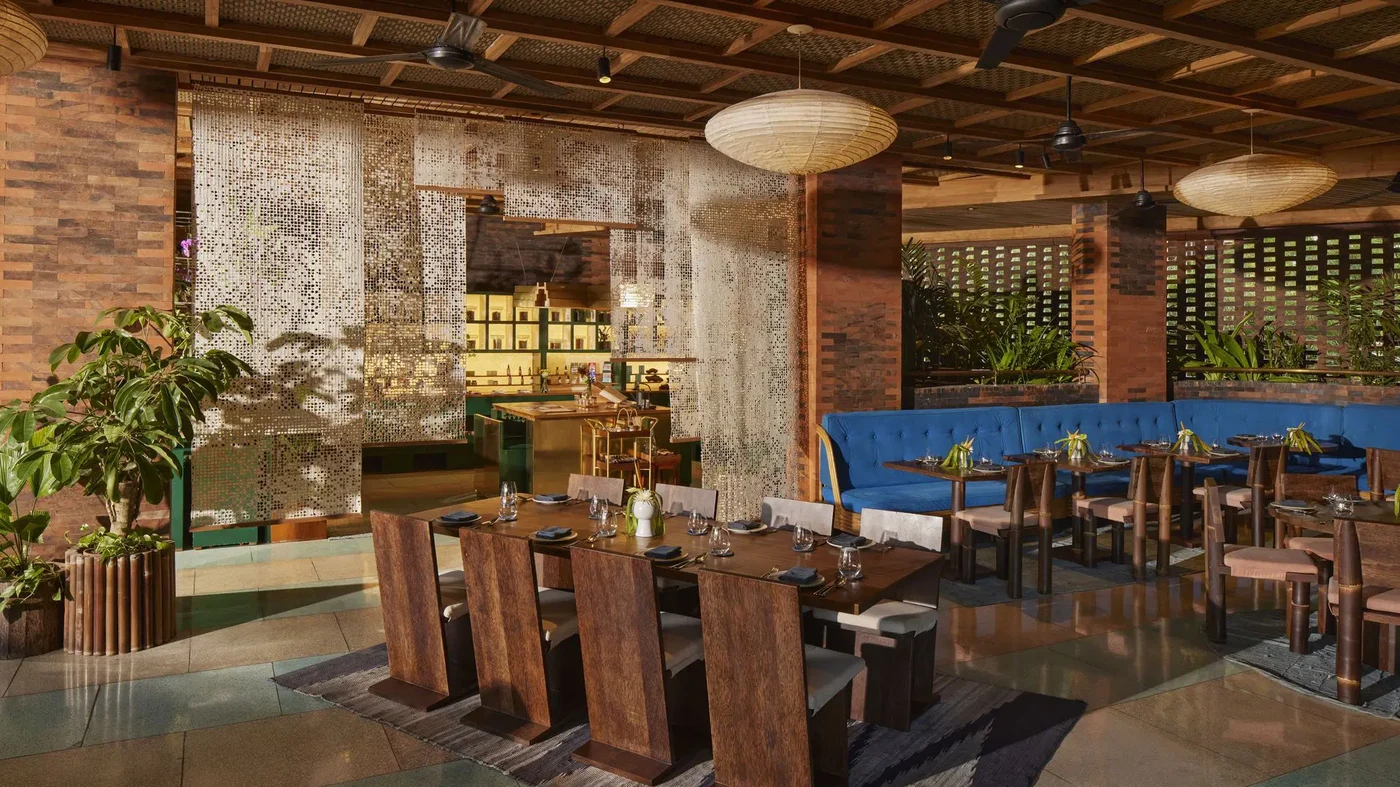
Sawah Terrace at Mandapa serves some of the most authentic Indonesian cooking I have eaten here, Balinese ingredients pushed through modern technique with the river roaring below. Cotta at Soori takes a heritage Balinese pig breed and runs French charcuterie technique through it. Kaum at Desa Potato Head works from heritage recipes collected across the archipelago, which is the opposite of a themed room. Rumari at Raffles bends French technique around Indonesian ingredients and is, for my money, the best restaurant in Bali.
Then the quieter ones that deserve more credit than they get. Dulang at The St. Regis. The Tempayan at Tanah Gajah, which depends entirely on whether the chef is in the mood and is untouchable when he is. Sandikala at Amankila, where candlelight, a live xylophone and incense from the shrines do at least as much work as the kitchen, and the kitchen holds up anyway. And Banyubiru at The Laguna, rebuilt around warung-style stalls and a show kitchen so that everything is cooked to order rather than held under a lamp.
Where the Indonesian kitchen is taken seriously
| Restaurant | Hotel | Go for |
|---|---|---|
| Bejana | The Ritz-Carlton | The best rendang I have eaten anywhere, and a sambal cart |
| Kudus House | COMO Shambhala Estate | The kitchen that refuses to soften anything |
| The restaurant | Kayumanis Jimbaran | Bebek panggang mekudus, smoked duck in Balinese spices |
| Sawah Terrace | Mandapa | Balinese ingredients through modern technique |
| Cotta | Soori Bali | Chicken cooked 24 hours in volcanic sand, ordered a day ahead |
| Kaum | Desa Potato Head | Heritage recipes collected across the archipelago |
| Rumari | Raffles Bali | Indonesian ingredients, French technique, the best in Bali |
| Dulang | The St. Regis | The grand version, done properly |
| Sandikala | Amankila | Candlelight, xylophone, incense, and a kitchen that holds up |
| The Tempayan | Tanah Gajah | A chef on form, if you catch him on one |
| Banyubiru | The Laguna | Warung-style stalls, everything cooked to order |
| The rijsttafel | The Legian | Worth the trip, and not what the menu says it is |
From our own paid stays. Chefs move and menus change, so ask before you plan an evening around one dish.
And the two that prove the point
At Alila Villas Uluwatu the restaurant is called The Warung, which is a promise of the most honest food on this island. I ordered sate there and it arrived dry, with almost nothing in it. When a hotel borrows the word for a roadside kitchen and then cooks worse than one, the distance between the room and the plate has become the entire story.
At Regent Canggu the Indonesian restaurant is good but flat, with small portions and presentation working hard to compensate for a lack of tension in the flavours. That sentence describes a great many kitchens here, and it is the politest way I can put it.
What good looks like
Cooked to order, not held. Spicing that has not been adjusted downward for the room, with somebody willing to tell you that yes, it is supposed to be that hot. A sambal that tastes like it belongs to a particular family. A short menu of dishes the kitchen is proud of, rather than a thirty-item tour of the archipelago. And a name on the door that describes what the kitchen does rather than what the guest is supposed to feel.
The good news is that the list above is longer than it would have been five years ago. Chefs are coming home, produce is being treated with the respect it always deserved, and one or two hotels have started to understand that their Indonesian restaurant could be the thing they are judged on rather than the box they are obliged to tick.
The day fifteen of them work that out will be a very good day to be eating here. And when it comes, I suspect it will not be a Dutch banquet from 1863 that gets them there.
Torn between two hotels and wondering whose kitchen your children, or your partner, will actually enjoy? Send me a WhatsApp and I’ll look at it with you. No charge, no obligation.
MESSAGE SVEN →