The verdict
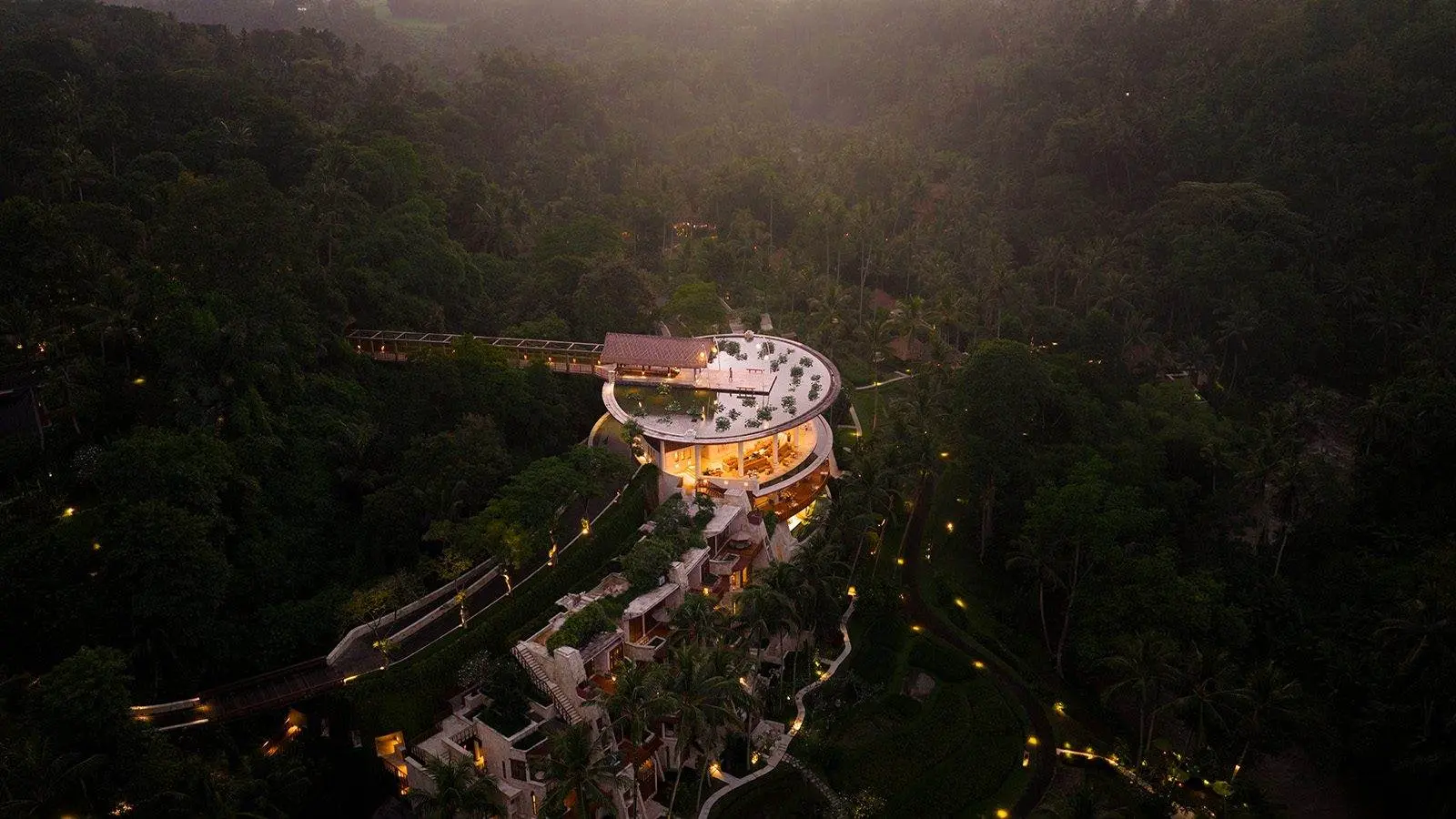
Four Seasons is the odd one out in this series. It will not franchise its name at any price, it hires the staff itself, and it is the largest luxury operator on earth with no loyalty programme, on the stated grounds that points turn a guest into an account. What it sells is certainty, and nobody sells it better. In Bali that arrives in two very different shapes. Jimbaran Bay (No. 11, from around $700) is the better hotel and the place where this entire category was invented. Sayan (No. 18, from around $900) is the more famous one and the best arrival in Indonesia. The rest of the world puts Sayan first. I do not.
In June 1993, on a hillside above Jimbaran Bay, Four Seasons opened a resort made entirely of individual villas, each one with its own private plunge pool. Nobody had done that before, anywhere on earth. It was the first large-scale villa resort in the world, and the first hotel to decide that a pool was something you ought to have to yourself rather than share with two hundred strangers and their inflatable flamingos.
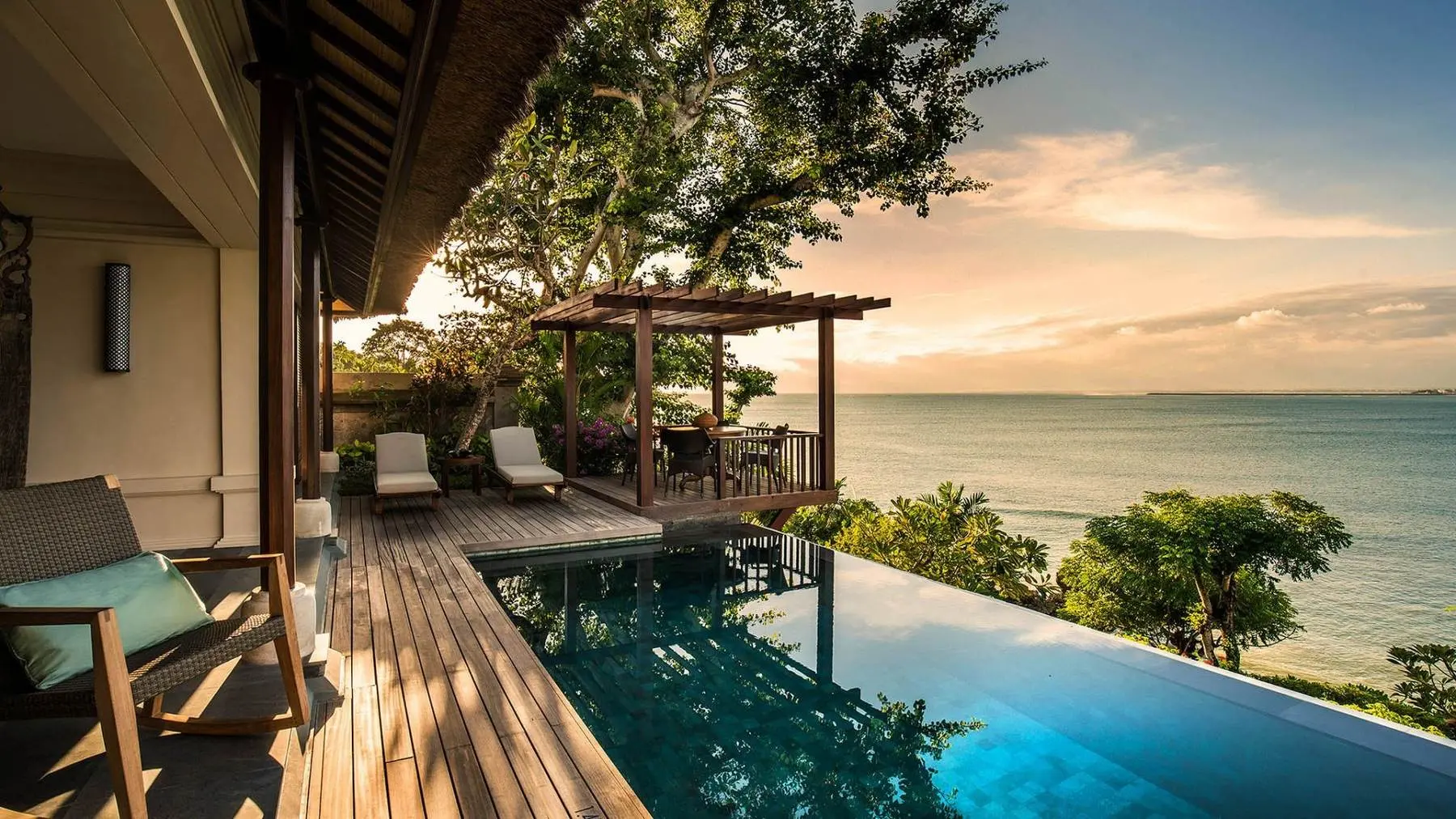
You have stayed in the copy. We all have. Half the villa resorts on this island, and a great many in Thailand, Mexico and the Maldives, are working from a blueprint drawn thirty-three years ago fifteen minutes from Denpasar airport. The stone wall, the private garden, the little pool you will use twice: all of it started here, and almost nobody knows.
That is the thing about this company. I admire Four Seasons enormously and I am almost never excited walking into one, and both of those facts have the same cause.
They invented what you think of as a hotel room
Isadore Sharp was a twenty-seven-year-old builder in Toronto who bought a plot in a red-light district because it was the only land he could afford, and opened a 125-room motor hotel on it in 1961. He had never run a hotel in his life. To distract guests from the neighbourhood he faced all the rooms into a courtyard, which tells you most of what you need to know about how the man thinks.
Then he started adding things. Shampoo in the shower. A bathrobe. A hairdryer. Twenty-four-hour room service. Same-day cleaning and pressing. A proper mattress instead of whatever the contractor supplied. A better showerhead, quieter plumbing. Every one of those was a Four Seasons first, and every one of them is now in a sixty-dollar airport hotel in Düsseldorf.
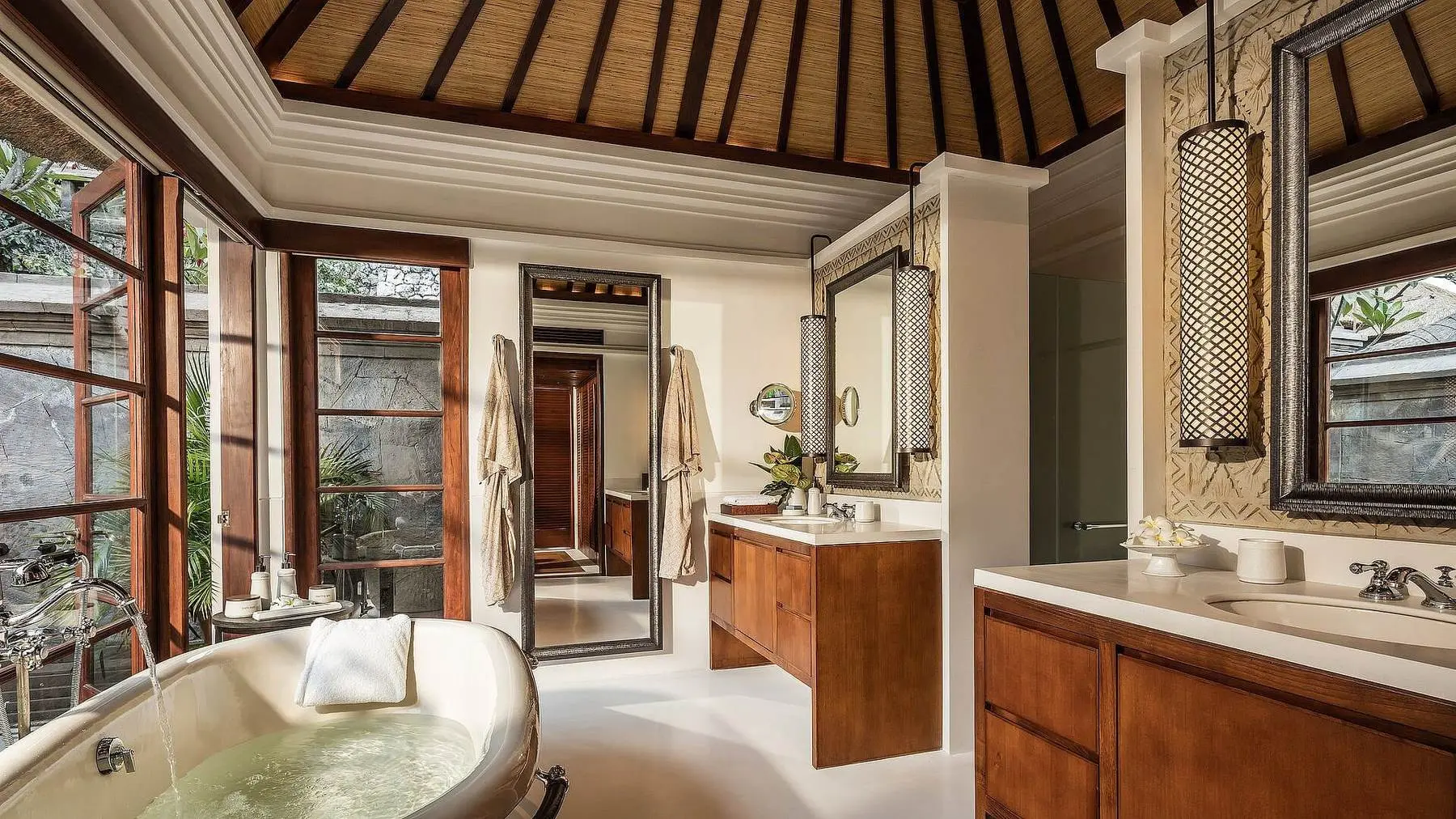
Sit with that for a moment. The reason you know what a hotel bathroom is supposed to contain is that a Canadian architect decided it, and then the entire industry helped itself.
Which is precisely the company's problem
Here is the arithmetic nobody says out loud. If everything you invent becomes the global standard within a decade, your own hotels can never feel like a revelation. Your guest has already had the robe, the shampoo, the villa, the pool and the two-in-the-morning club sandwich at four other hotels, at a third of the price.
So what is left to sell is not novelty. It is certainty, and Four Seasons sells that better than anybody alive. Wherever you land, the beds are immaculate, the kitchen is safe, the service is fluent, and the whole operation runs to the same polished, businesslike rhythm. For a great many travellers, including a lot of wealthy ones, that is the entire point, because travel itself feels risky: the wrong food, a bathroom you would rather not examine, staff who do not follow you when English is all you have.
It is also why I have written of both Bali properties that they lose a little of Bali in the polish. That is not a complaint about these two hotels. It is what happens when you are the company that invented the baseline. Polish sands off the edges where authenticity lives, and the edges are where I like to sit.
The part nobody can copy, and the reason they grow so slowly
If your inventions are public property, the only durable advantage left is people. Four Seasons appears to have worked that out around 1970 and has been acting on it ever since.
Which brings us to the fact that separates this company from everything else in this series. Four Seasons does not franchise. Ever. It decides what gets built, it vets the architecture and the finishes, and it hires the staff itself. The owner writes the cheques and Four Seasons writes the rules. Marriott will license you a brand and a standards document. Hyatt will put its name above a building somebody else maintains. Four Seasons will not sell its name at any price, and the bill for that principle is there in the numbers: 133 hotels in sixty-five years, against roughly nine thousand for Marriott.
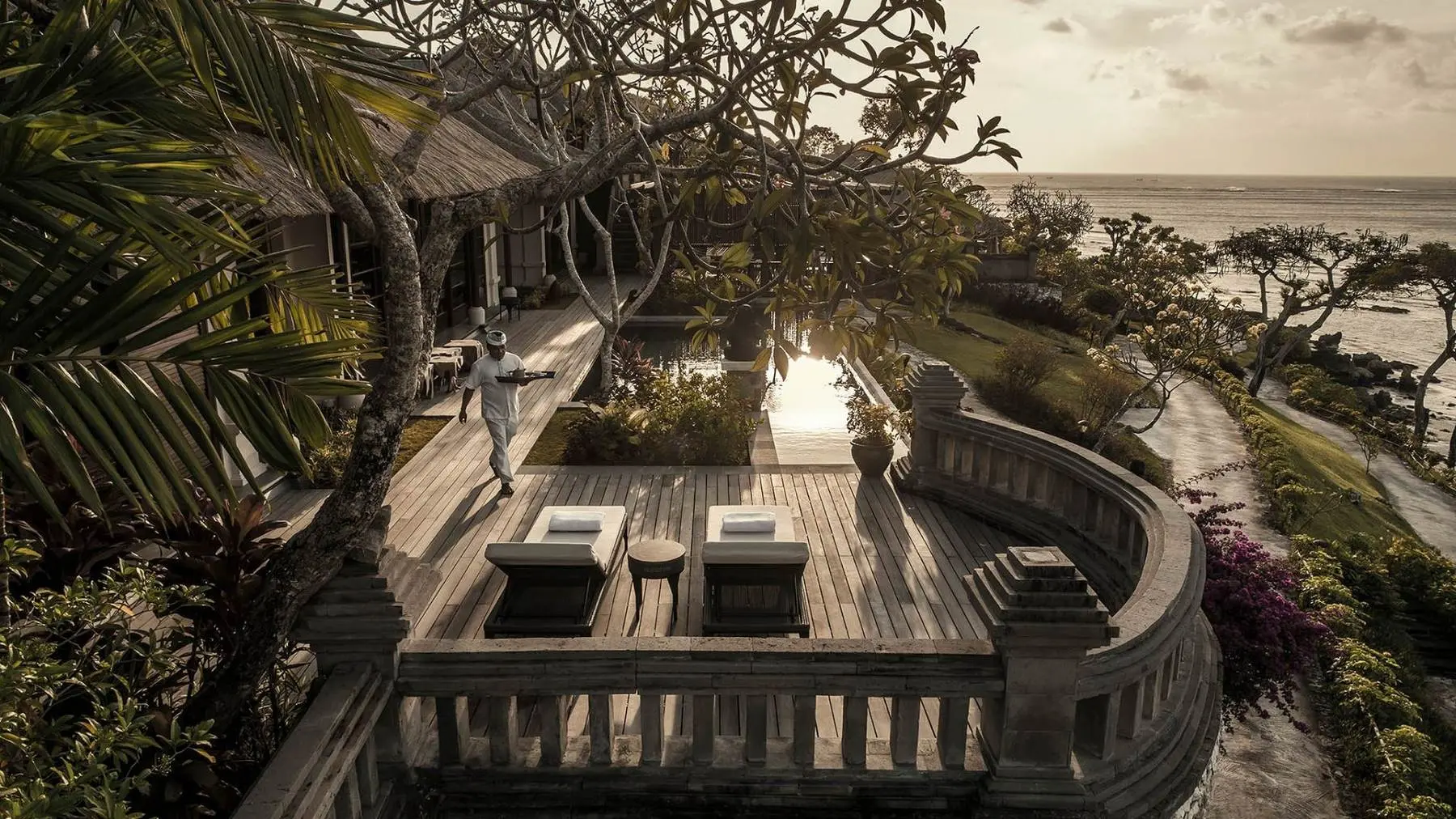
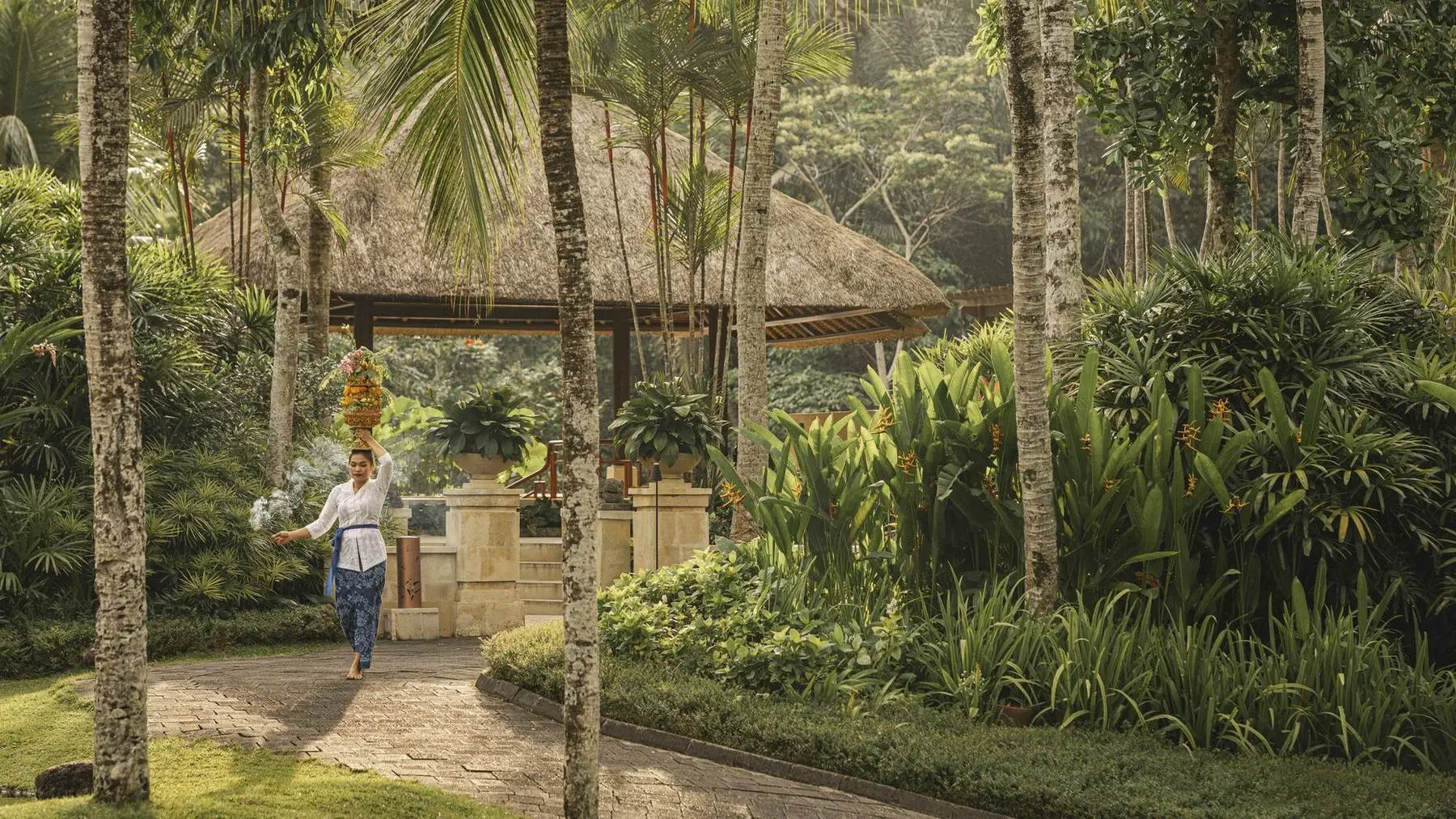
You feel it at Jimbaran, where staff stay for decades and it shows in specifics rather than in smoothness. I mentioned once, in passing, that I had not worked out what to do with the day, and what came back was neither a brochure nor a shrug. Down at the beach club I watched a member of staff spot a guest floundering with a watersport and simply go and teach them, instead of handing over the kit and walking away. You cannot write that into a standards manual, and I have read enough of those to know.
No points. None. On purpose.
Four Seasons is the largest luxury operator on earth without a loyalty programme. No tiers, no status match, no free night at category four, no co-branded credit card, nothing. The stated reasoning is that points turn a guest into an account, which sounds like something a founder says in a documentary and in this case appears to be meant. They keep a preference file on you instead, which is either charming or faintly unsettling depending on your temperament.
It has a practical consequence. At Hyatt you can turn up with points. At Marriott you turn up with a status that owes you breakfast. Here there is no side door of that kind at all. The only way to arrive with anything attached is through an advisor, either Virtuoso or the company's own invitation-only programme, and that usually means a one-time credit of around $100 on a room or up to $200 on a suite or villa, plus breakfast and an upgrade if one is going spare. On a week in a villa that is a spa treatment or a good dinner.
I have an obvious commercial interest in telling you this, and you should weigh it accordingly. The structural point stands regardless: this is the one large luxury group where booking bare gets you precisely nothing.
Two hotels, one standard, two holidays
| Hotel | What it is | Best for | The catch | From |
|---|---|---|---|---|
| Jimbaran Bay No. 11 | The world’s first large-scale villa resort, opened 1993 | Families, first-timers, a bay you can swim in, staff who remember you | Grounds and sea are beautiful rather than magical | $700 |
| Sayan No. 18 | A lotus bowl sunk into the Ayung valley, and the best arrival in Indonesia | Architecture, couples, anyone who travels for buildings | Sound carries; the riverside villas are not automatically the best rooms | $900 |
| What the name adds | Certainty, and staff hired by the operator rather than the owner | Travellers who want nothing to go wrong | No loyalty programme at all; the only door is an advisor | — |
Rates are entry categories at the time of writing and move considerably with the season. Rankings are from The Bali 20, 2026 edition.
Sayan or Jimbaran, and why I disagree with the entire internet
Ask anybody who follows luxury hotels which Four Seasons in Bali is the famous one and they will say Sayan. The forums have said so for twenty years, usually with the same advice attached: Sayan first, then Jimbaran for the last night because it is near the airport. The magazines agree. Sayan has the architecture, the awards, and that walk across the bridge and down into the rice bowl, which is the best arrival on this island and possibly in the country.
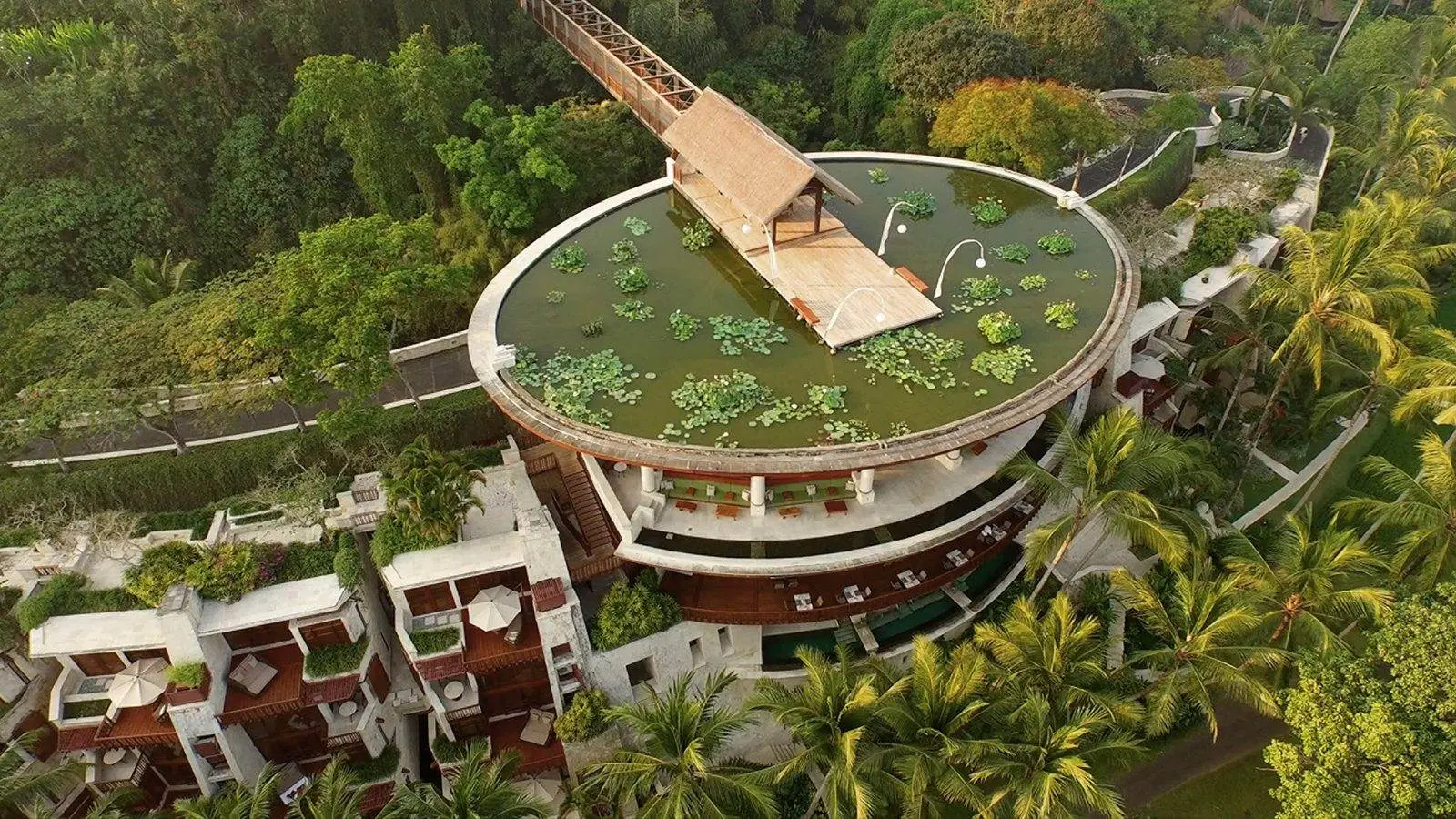
I have Sayan at eighteen and Jimbaran at eleven, and I am not moving. Sayan is an extraordinary building that is not extraordinary for everybody in the same way. The riverside villas everyone covets carry a trade-off, because voices and footsteps travel further than you expect in a resort designed around calm, and the simpler duplex rooms may give you a quieter week than the expensive ones do. The spa is superb and genuinely dear, even on an island where a massage is normally an afterthought.
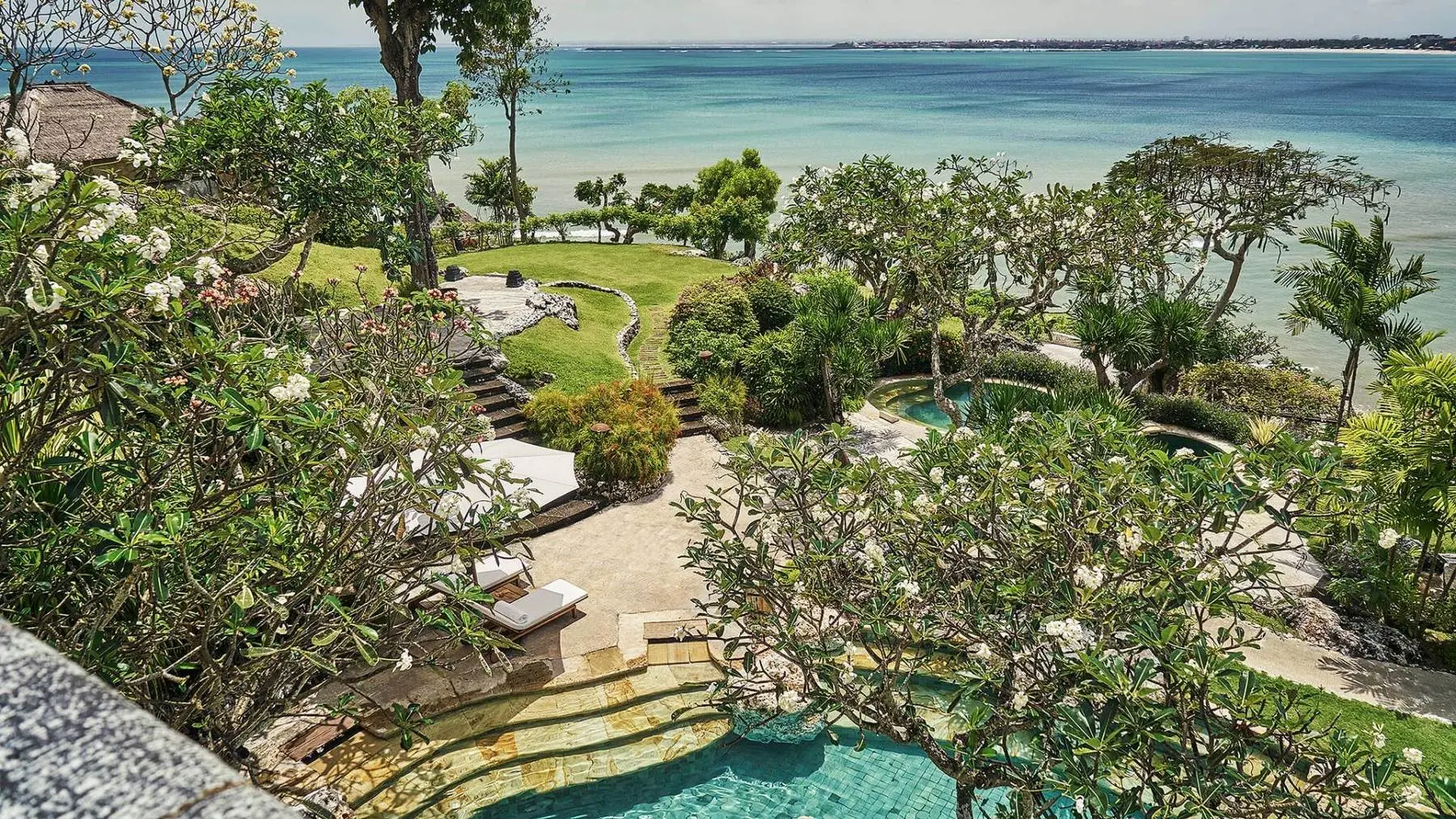
Jimbaran is the better hotel. The service is a class above, the kitchens are livelier, it is comfortably the best resort in Bali for families, and it is a happy place in the plainest sense of that word. Strip away the villas and the Balinese atmosphere and the grounds and the bay are beautiful rather than magical, which is fair and changes nothing. One of them is a building you admire. The other is a hotel you enjoy, and I have come round to thinking that those are not the same purchase.
So which one?
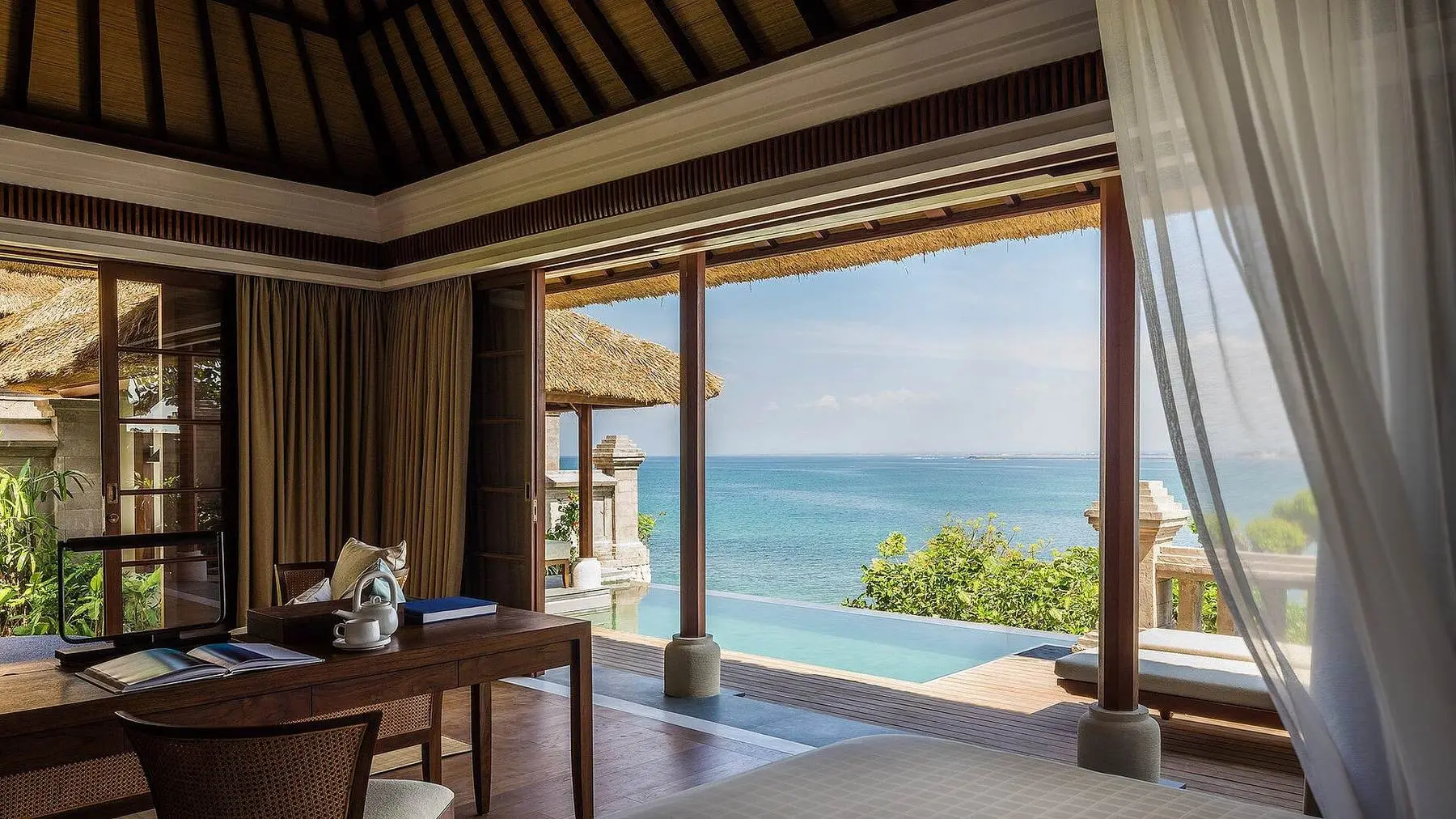
Jimbaran if you have children, if you want a bay you can actually swim in, if you want to be remembered, or if it is your first time here and you would like the trip to be easy.
Sayan if architecture is the reason you travel, if you want the best arrival in the country, and if you can accept that the room they sell as the best one may not be the best one for you.
Both, in that order, if you have ten days. That is the itinerary the forums have been recommending since about 2005, and the single occasion on which I agree with them without reservation.
And about the certainty: it is real, it is worth paying for on the right trip, and it is exactly what you want when you are travelling with your parents, your children, or anybody who has never flown long-haul. Just do not expect it to feel especially Balinese. That is not a flaw in these hotels. It is what happens when a company spends sixty-five years inventing the standard and then watches the whole world install it.
There is no points programme here, so an advisor is the only way to arrive with anything attached.
ASK BEFORE YOU BOOK →