The verdict
There is a word for what I was, and it is not a flattering one. Aman built hotels that were meant to be unrepeatable, each one welded to its own ground, and the behavioural result was to create the most compulsive collectors in travel. The least standardised hotel company on earth invented the most portable form of loyalty there is: a checklist. Bali has three of them. Amankila (No. 4) is the most remarkable building on this island. Amandari (No. 6) is the better introduction to Bali itself. And the third one has quietly lost its name, which turns out to be the whole story.
There is a word for what I was, and it is not flattering. Amanjunkie. It exists because Aman guests started planning entire years around which of the hotels they had not yet done, and I was one of them for the better part of a decade. I could have told you how many there were, which had opened, which were rumoured. I did not think of it as collecting at the time. I thought of it as taste.
That is the part of this brand nobody examines, and it is far more interesting than the architecture. Aman built hotels that were meant to be unrepeatable, each one welded to its own ground and unlike anything else in the portfolio. The actual result was to create the most compulsive collectors in travel. The least standardised hotel company on earth invented the most portable form of loyalty there is: a checklist.
The moment I caught myself
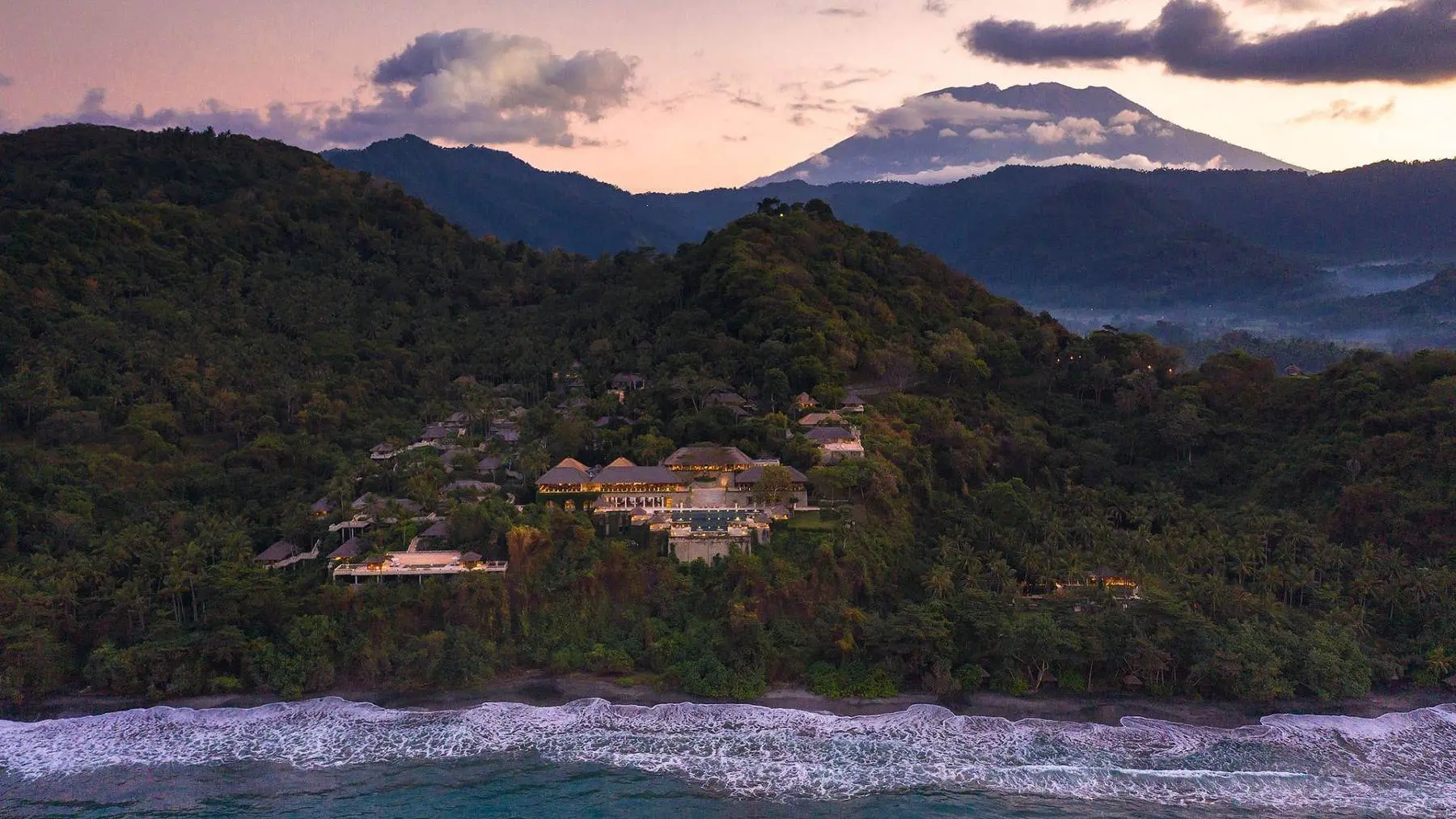
I arrived at Amankila already primed to notice things, and within an hour I was quietly ticking items off. The welcome. The way the sea is kept out of sight until the last possible second. The pool. The absence of anything to sign. I was not experiencing a hotel on a hillside in east Bali. I was auditing whether it performed the things a proper Aman is supposed to perform.
No other hotel has made me think that hard about why I was there. The honest answer, that afternoon, was that part of me had come to verify a brand rather than to see a place, which for a company whose entire philosophy is a sense of place is a quietly devastating outcome.
Then the peace broke, and a collector took over
In February 2014 a group led by the Russian developer Vladislav Doronin bought Aman for $358 million, with founder Adrian Zecha on the minority side of the deal. Within months it was a war. Zecha resigned, was locked out of his own office and removed from the Aman-owned house he lived in, and the London High Court briefly reinstated him as chief executive. Lawsuits ran between London, New York and Singapore for nearly two years. A settlement in March 2016 left Doronin in sole control and the founder, then in his mid-eighties, outside the company he had built. He went off and started another one.
Here is the detail that reframes everything after it. Doronin was not a hotelier who bought a brand. He first walked into Amanpuri in 1990, was struck by it, and began planning his travels around wherever the next Aman happened to be. He was an Amanjunkie for twenty-four years before he owned the company.
Which explains the last decade far better than any takeover narrative does. Purists will tell you the expansion betrays what Aman stood for. I would put it differently: the man in charge is one of us, and a collector never wants fewer items. He wants the next one. Aman Tokyo, Aman New York in the Crown Building, Aman Bangkok, the residences, the members’ club, a second brand in Janu. That is not a betrayal of the fanbase. That is the fanbase being served precisely what it always asked for.
The uncomfortable admission
I am supposed to disapprove, and mostly I do. But I should be honest about what Aman is to me, because this is not an objective ranking. Everyone assembles a handful of reference points over a lifetime, and mine happen to be Domaine Leroy in wine, Passard and Adrià in kitchens, Federer on a tennis court, and Aman in hotels. Those are not arguments. They are the standards I measure other things against, and you will have your own.
And yet I have read about Aman Tokyo and Aman New York and Aman Bangkok with an interest I cannot honestly call disapproval. They intrigue me. A company that spent thirty years perfecting the art of disappearing into a landscape has started building forty floors above Fifth Avenue instead, and I want to know whether it works. That reaction, in a man who mourns the old version, is the clearest evidence I have that the collecting instinct never entirely leaves. I am not a critic with a consistent position here. I am a recovering addict who still reads the catalogue.
What it costs, and you can see it in Bali
Aman’s real invention was never the buildings. It was the naming. Every hotel took the Sanskrit word for peace and fused it to its own ground: Amanpuri, place of peace. Amandari, peaceful spirits. Amankila, peaceful hill. Amanusa, peaceful isle. The name was the promise, because it said that this hotel exists nowhere else and cannot be repeated.
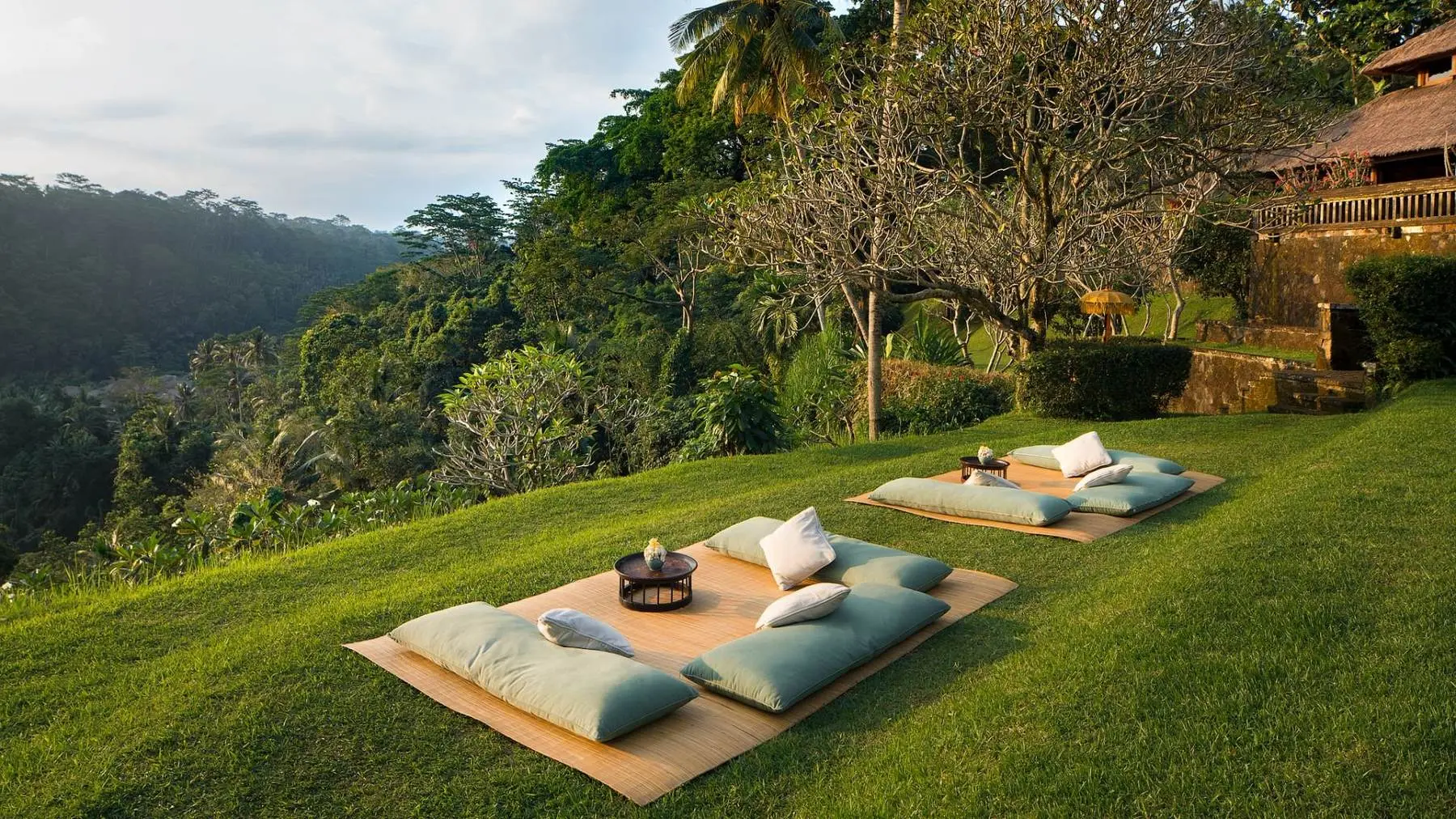
Bali’s third Aman opened in 1992 as Amanusa. It is now listed as Aman Villas at Nusa Dua.
That is the whole story in a line. A name meaning peaceful isle has become a product category and a postcode, which is what happens when hotels stop being places and become items: an item has to say what it is and where you can get one. I have never stayed there, so I will not rank it or judge it. I will only note that it is the one Aman on this island nobody ever mentions, and that I never felt the urge to tick it off either, which tells you something about what I was actually collecting.
Three Amans on one island
| Hotel | Opened | What it is | Where it stands now |
|---|---|---|---|
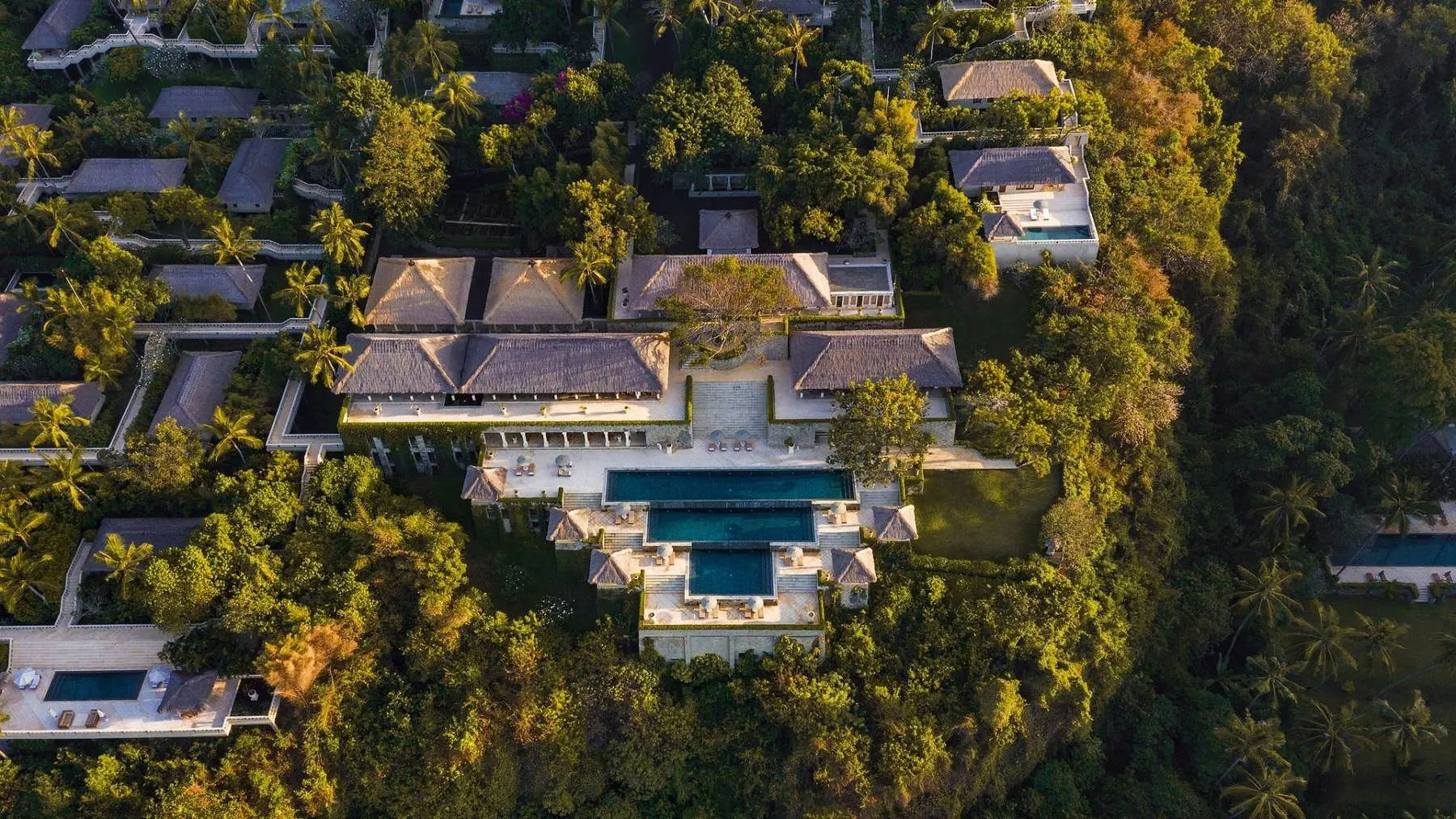
| Amankila | 1992, Ed Tuttle | A palace on a hillside above the Lombok Strait, three pools stepping down the slope | No. 4 in The Bali 20, and the most remarkable building on the island |
| Amandari | 1989, Peter Muller | A Balinese village above the Ayung, modelled on Kedewatan next door | No. 6, and still the best argument for restraint in Bali |
| Aman Villas at Nusa Dua | 1992, as Amanusa | The third and quietest of the Bali Amans, on the Nusa Dua golf course | Renamed, not in our ranking, and not in the Michelin selection’s Key list |
Rankings from The Bali 20, 2026 edition. We have not stayed at Aman Villas at Nusa Dua, so it is described rather than judged.
So which Aman should you book?
Amankila if you want the most remarkable hotel in Bali. Nothing else in the world stands on a hillside quite like it, the three pools step down the slope towards the Lombok Strait, and Ed Tuttle refused to give it a lobby when he designed it in 1992. Fourth on The Bali 20. The staff are Balinese, genuinely warm, and polished to a finish that lets them handle the most demanding travellers alive without a crack showing.
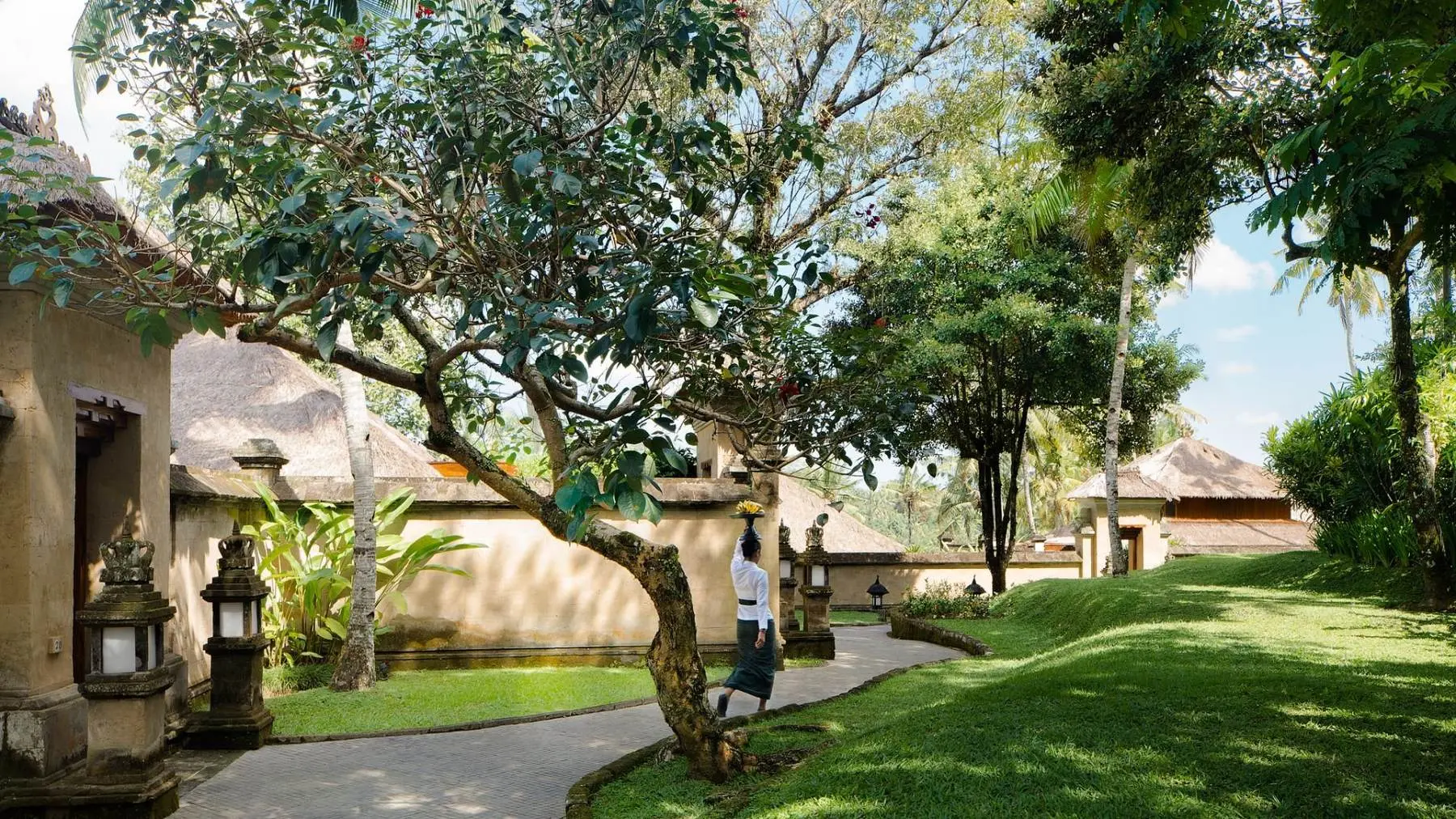
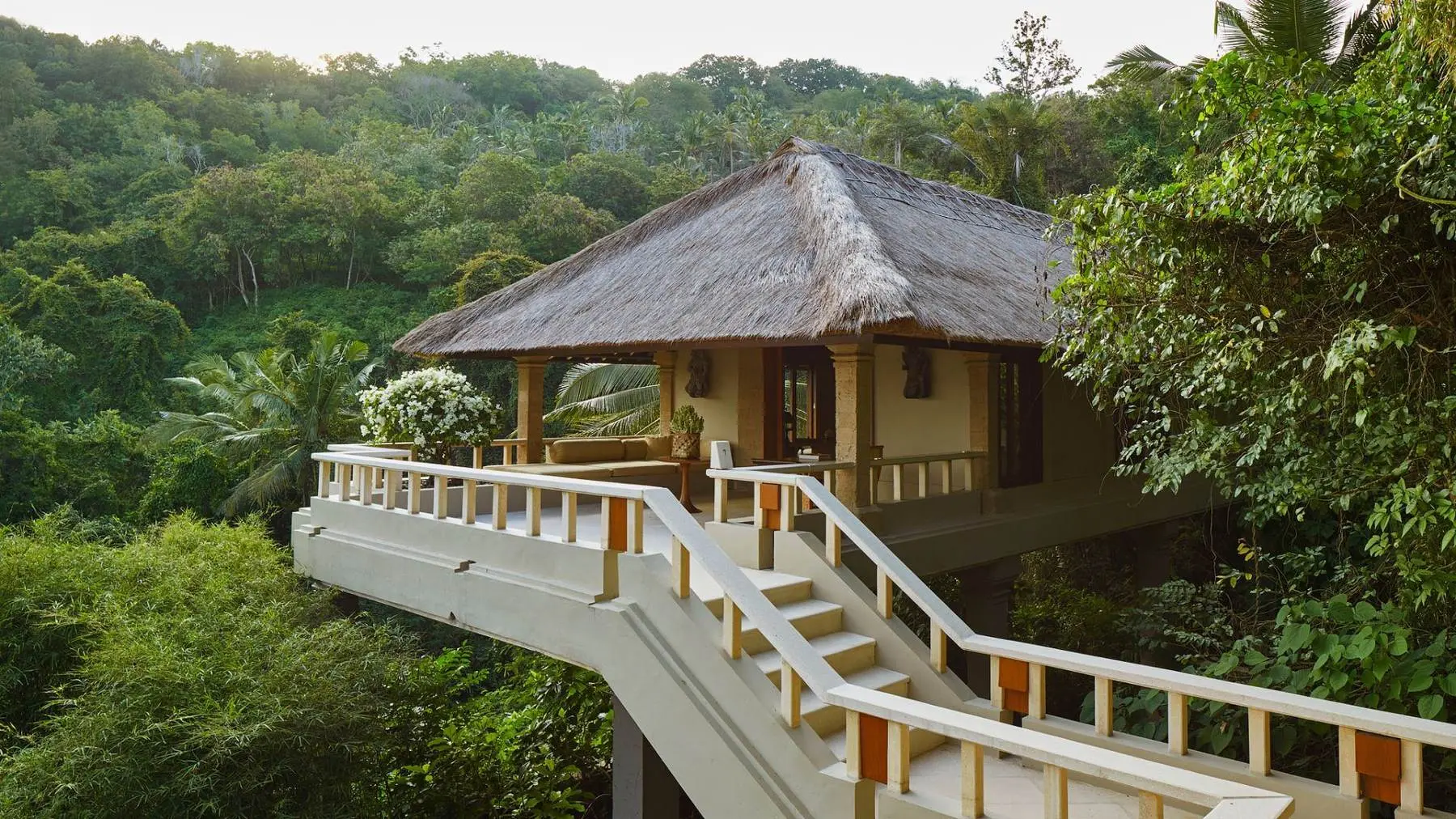
Amandari if you want Bali rather than a view of it. Peter Muller drew it in eight days and it opened in 1989 as the first resort of its kind here: stone lanes, walled compounds, a gate at every suite, a lobby shaped like the pavilion where a village meets. Much of the staff comes from Kedewatan next door. Sixth on the list, and the better introduction to this island.
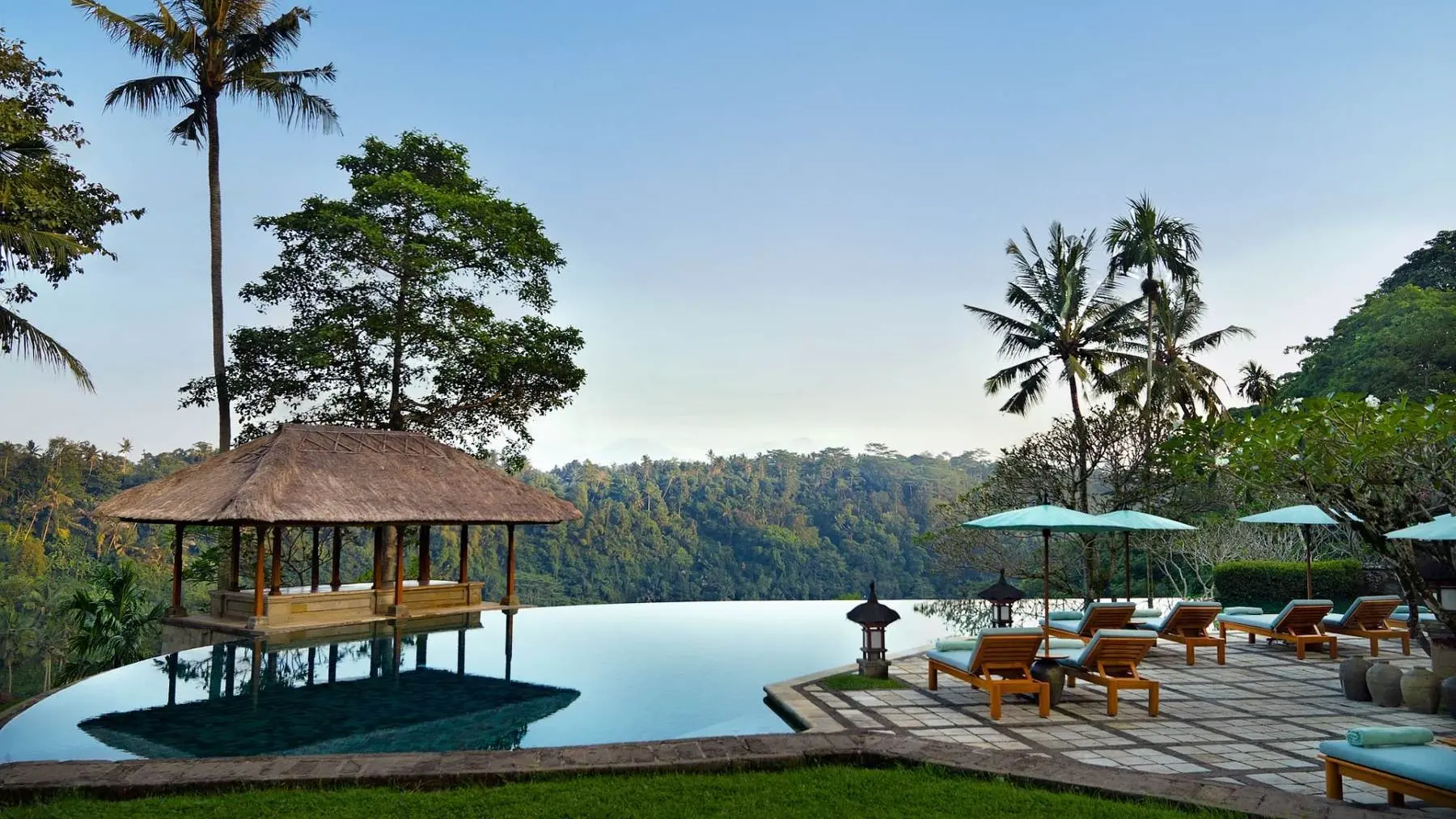
Both, seventy-five minutes apart, if you have the time. One man built a village and the other built a palace, and almost everything else follows from that.
What you are actually buying
Not a room, and not really a hotel. You are buying one of the last examples of an idea that everybody else has since copied badly, from a company that now understands its own customers well enough to sell them that feeling in a tower on Fifth Avenue.
Whether that is a tragedy depends on what you were after in the first place. If you came for the place, the two in Bali still deliver it completely, and I would send you to either without hesitation. If you came for the collection, you will be looked after for years, because there will always be another one.
I spent a decade telling myself I was in the first group. I have a suspicion I was in the second.
Both Bali Amans are bookable through us, with benefits attached, at the hotel’s own rate.
ASK BEFORE YOU BOOK →