The verdict
Bali has two InterContinentals forty minutes apart. One is, for my money, the best hotel on this island in its price class; the other is a resort halfway through rebuilding itself. Same logo, same app, same points. That is not bad luck, it is what the badge is: in a hotel IHG manages, the employees of IHG are typically the general manager and the financial controller, and everybody else works for the owner of the building. InterContinental Jimbaran, from around $200 with benefits, is the one to book. InterContinental Sanur, at around $230, only if space is what you are buying. Regent Canggu, not at $600.
Bali has two InterContinentals, forty minutes apart. One of them is, for my money, the best hotel on this island in its price class. The other is a resort halfway through rebuilding itself, with a beach nobody rakes and a layout that reads as though three people decided it separately and never met.
Same logo, same app, same points. That is not bad luck, and the group it belongs to makes the point on a larger scale. IHG runs around thirteen hotels in Bali under six brands, from Six Senses on the Uluwatu cliffs and Regent in Canggu, through Hotel Indigo and Kimpton, down to four Holiday Inns and a pair of Holiday Inn Expresses near the airport. One company, one loyalty scheme, and a range that runs from roughly sixty dollars a night to well over a thousand.
What the name actually employs
Start with IHG's own reporting. Seventy-three per cent of the rooms in the system are franchised, twenty-seven per cent are managed, and less than one per cent are owned. Since 2003 the company has sold around two hundred hotels to reach that position, and it now runs more than six thousand six hundred.
Now the part that matters at check-in. In a hotel IHG manages, the people actually employed by IHG are typically the general manager and the financial controller. In a franchised one, often just the general manager, and sometimes not even that. Everybody else, the woman who greets you, the man who cooks your eggs, the team who rake the beach or do not, works for whoever owns the building.
So you are not buying a hotel company's hospitality. You are buying two job titles, a reservation system and a points scheme, bolted onto a property belonging to somebody you have never heard of. Whether your week is any good depends almost entirely on that somebody, and on which general manager they were given.
Which explains where the whole thing came from
InterContinental was founded in 1946 by Pan American Airways, with encouragement from the American government, to build hotels in the places Pan Am flew to. The first plan was fifty million dollars for five thousand rooms across Latin America.
Read that twice. The first global hotel brand in history did not exist because anybody wanted to run hotels. It existed because aeroplanes had to land somewhere and the passengers had to sleep. This was infrastructure from the first day, the hospitality equivalent of a power grid, and a power grid does not have a soul. It has coverage. Eighty years on that is still the honest description, and it is not an insult: IHG is superb at being everywhere, it has never been in the business of being the same everywhere, and to its credit it has never really claimed to be.
Exhibit A: Jimbaran, the best deal in Bali
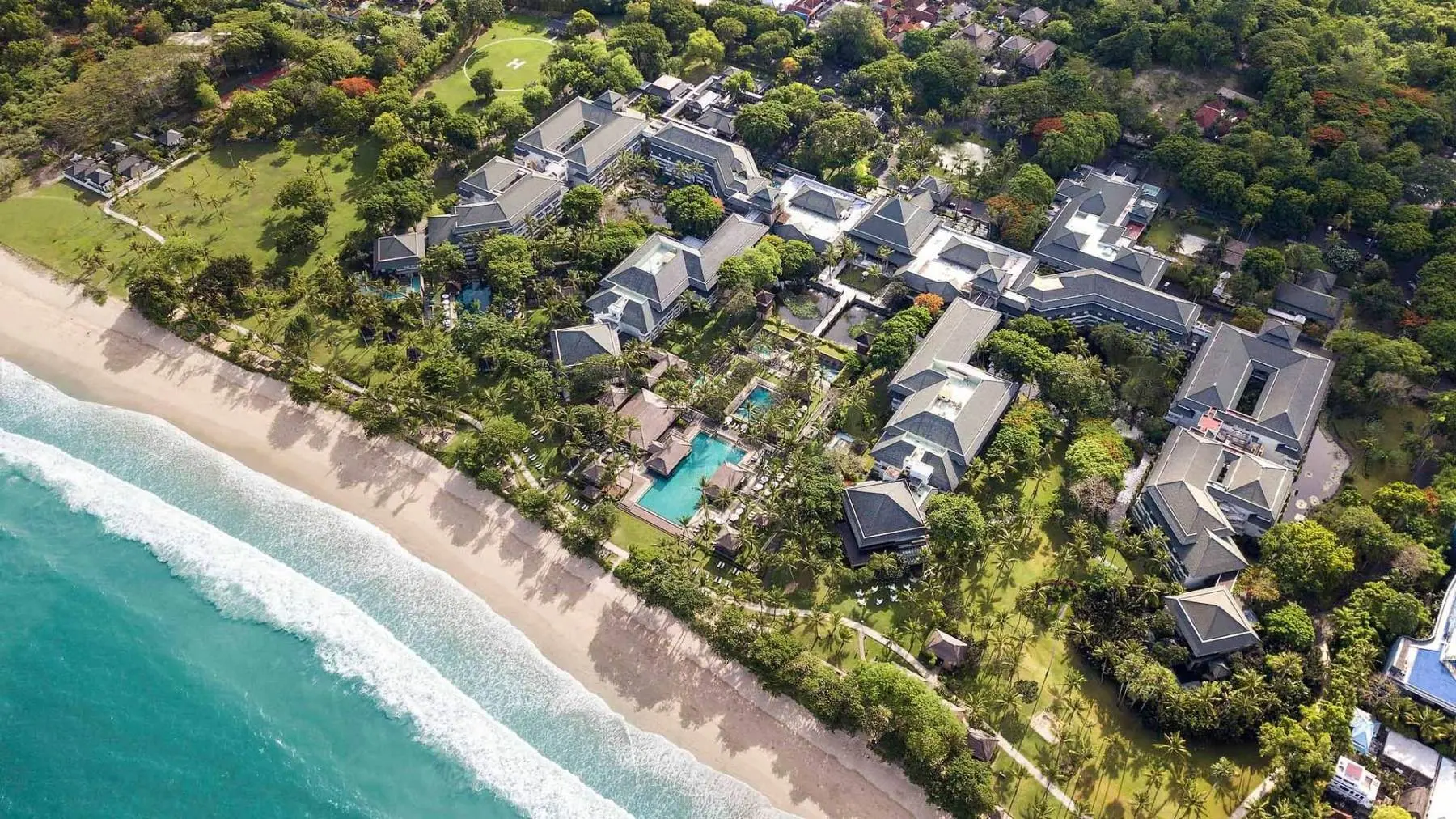
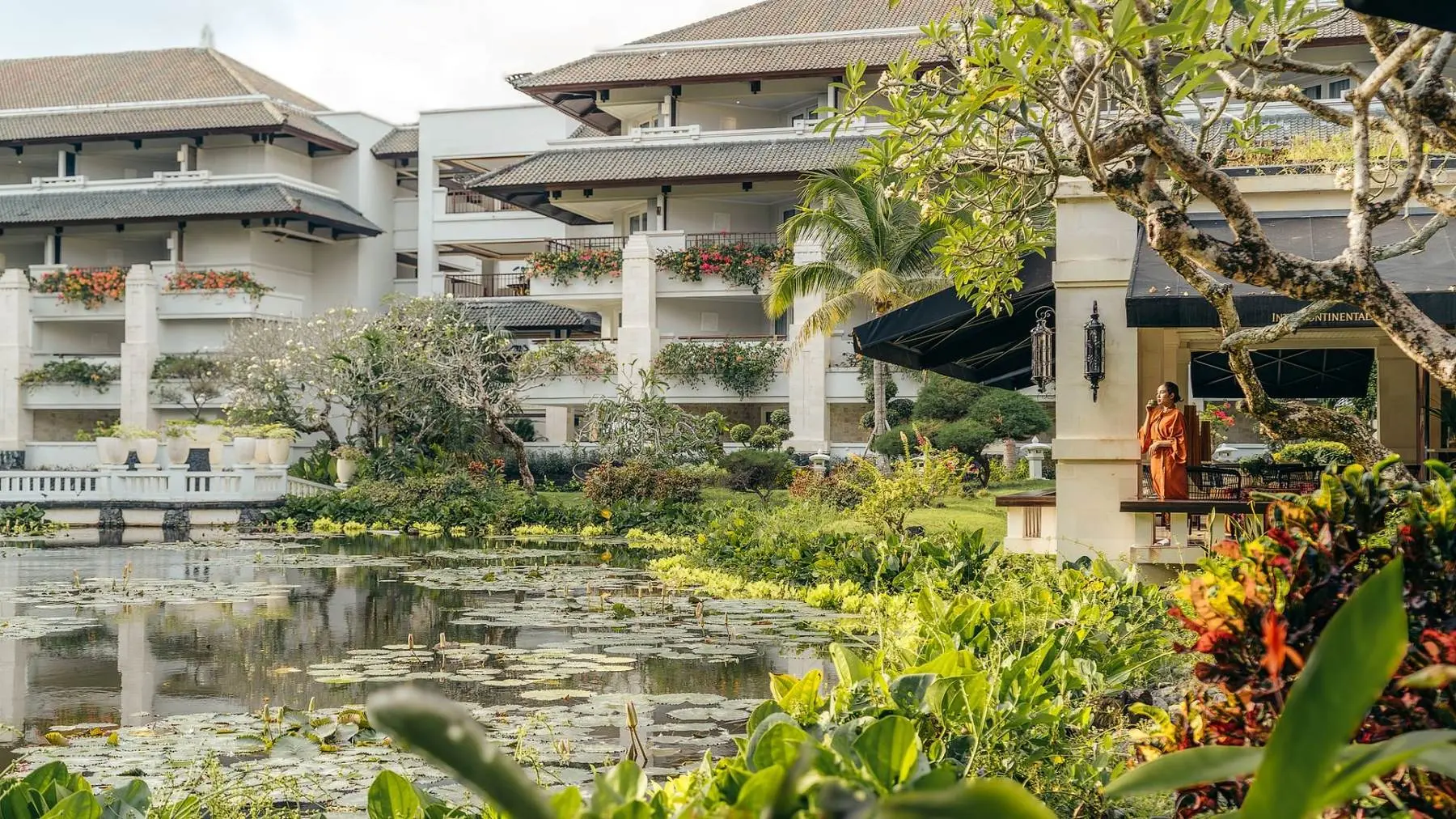
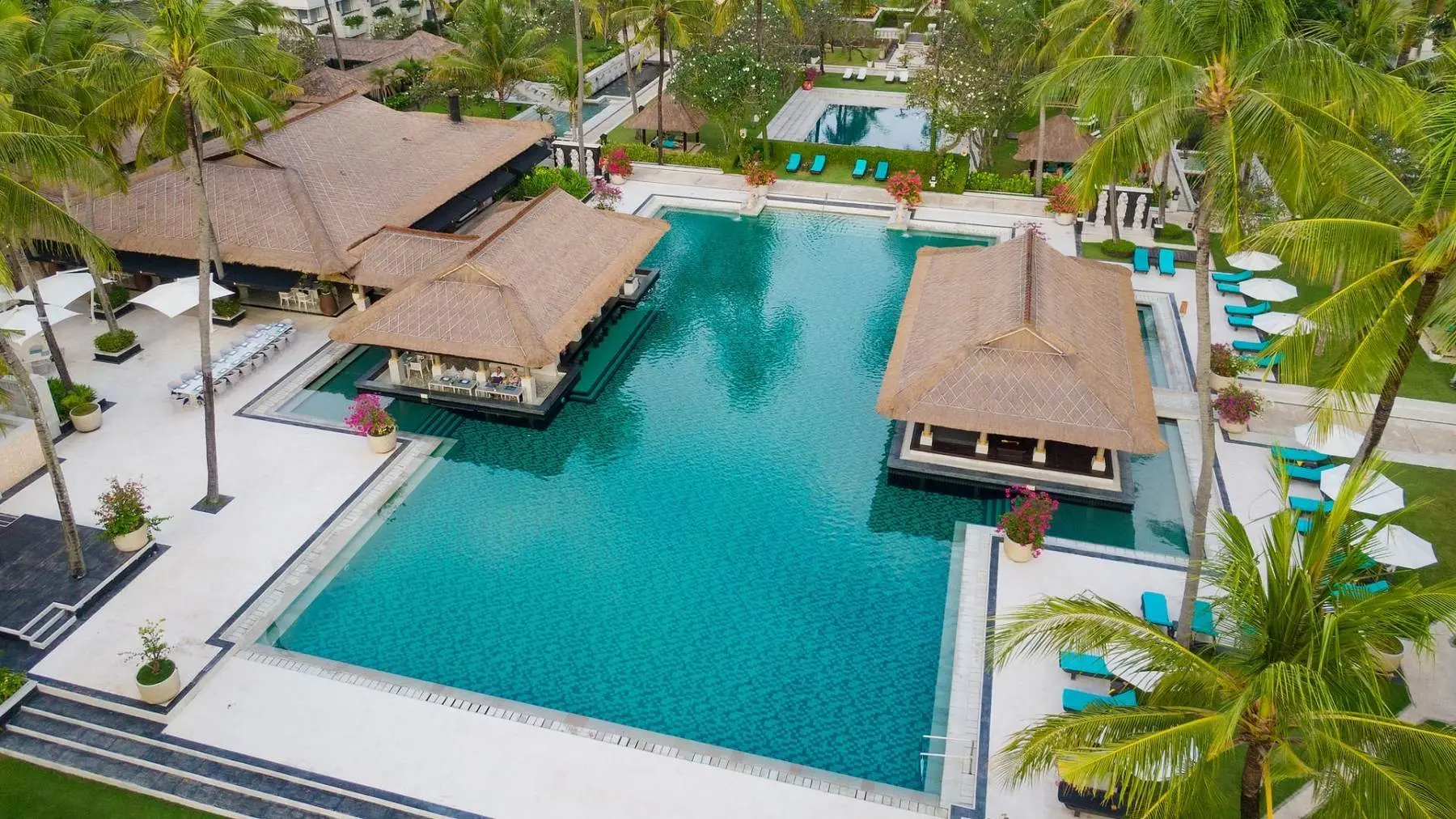
The InterContinental in Jimbaran is a genuinely excellent hotel, and I say that having slept up the beach at Four Seasons and enjoyed it. The grounds are expansive and meticulously kept, the pools have real character, and the resort sits on the widest, softest sand in the bay. Something is always being renovated, which is the most reliable sign there is of an owner who spends rather than harvests. From around $200 a night with benefits attached, I know nothing on this island that competes.
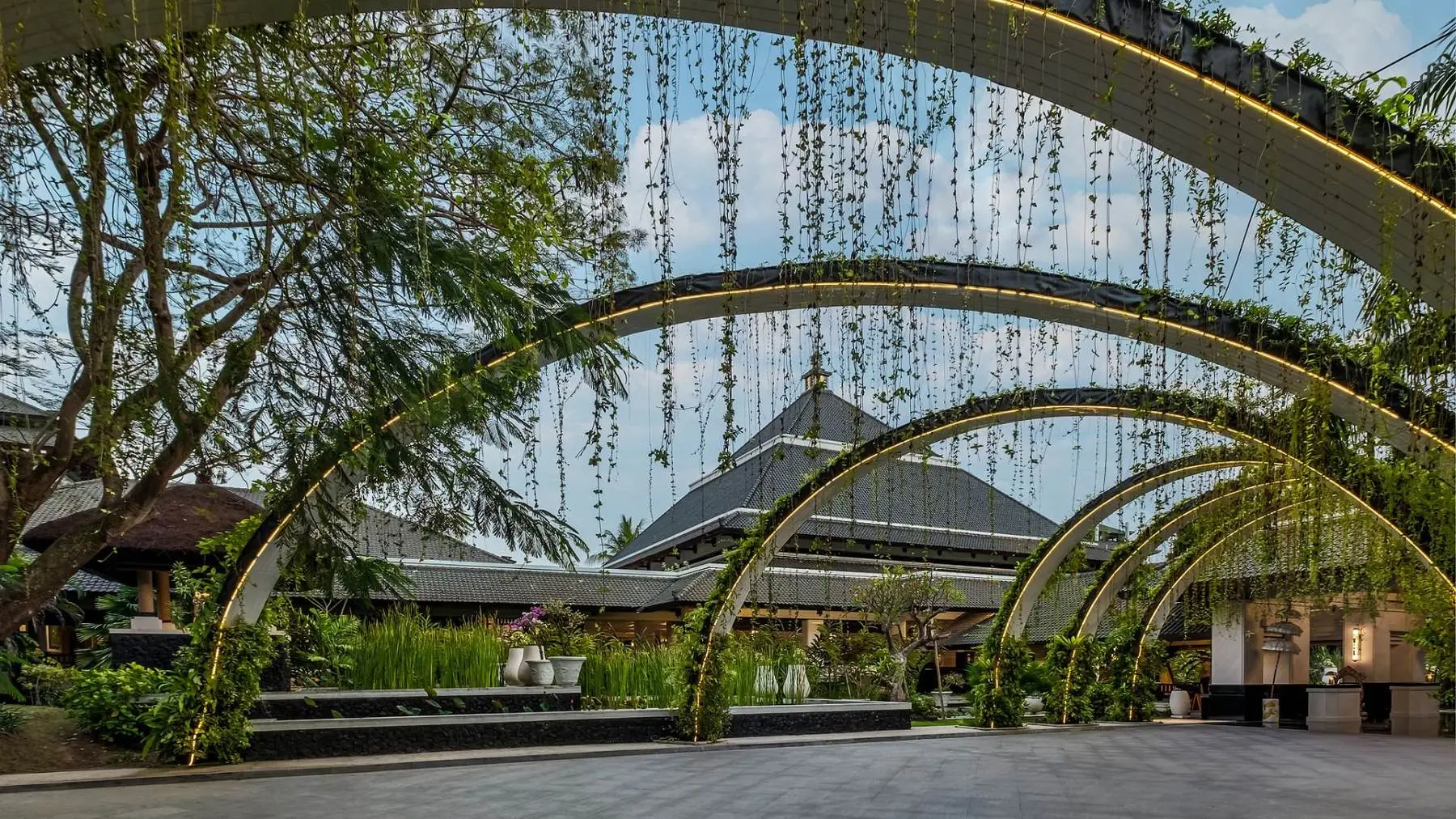
Here is the part almost nobody staying there knows. It was designed by Hendra Hadiprana, the Indonesian architect and collector behind Jimbaran Puri and Tanah Gajah, which is why the buildings sit on the land the way they do. The best thing about this InterContinental has nothing to do with InterContinental. It is a good architect, a good owner and a good site, and the badge arrived afterwards with a booking engine.
A footnote to all that praise
This belongs in this article more than in the review. On one stay I found myself in conversation over dinner with a member of the hotel's senior management. I had reservations about the food, in that kitchen and elsewhere on the property, and I put them the way I would want them put to me: constructively, professionally, with no interest whatsoever in being right in public.
It did not land. Who I was, and what I actually had to say, did not appear to register at any point. I have thought about that evening more than it probably deserves, because if I ran a hotel this good I would want to know precisely what somebody who eats for a living makes of my kitchens, in that order: what is wrong, and what would fix it. What I came away with instead was the impression of a place quietly certain that it knows better than anybody outside it.
I still love this hotel and I still think it is the best value in Bali. But notice what that evening actually was. The people this badge employs on a property are the general manager and the financial controller. Their posture is the brand's entire presence there, and everything else I admire, the grounds, the beach, the pools, belongs to somebody else.
Exhibit B: Sanur, same badge, different planet
Forty minutes away the same name covers a resort that keeps making decisions I cannot follow. The site has real potential and is not used well, the layout is illogical, and the beach is poor and nobody cleans it.
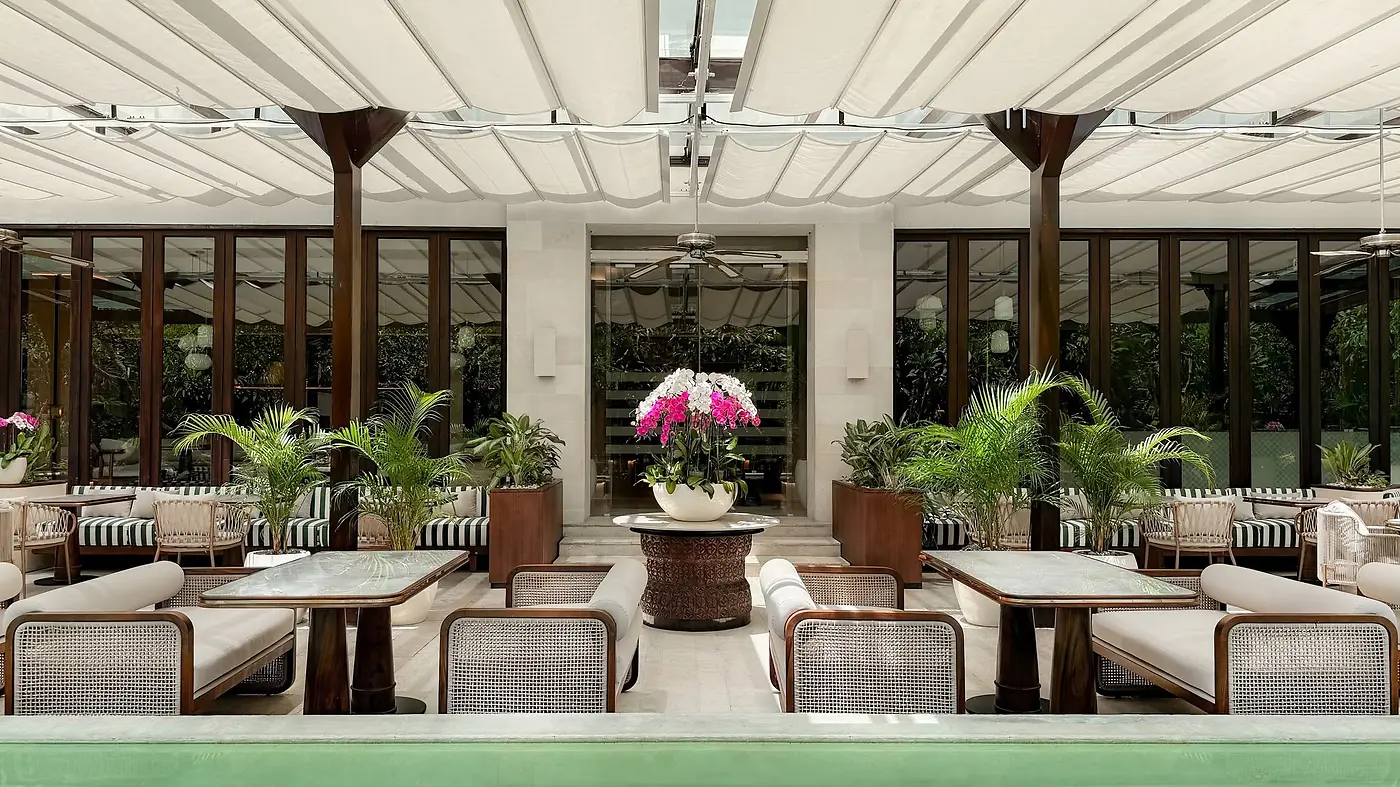
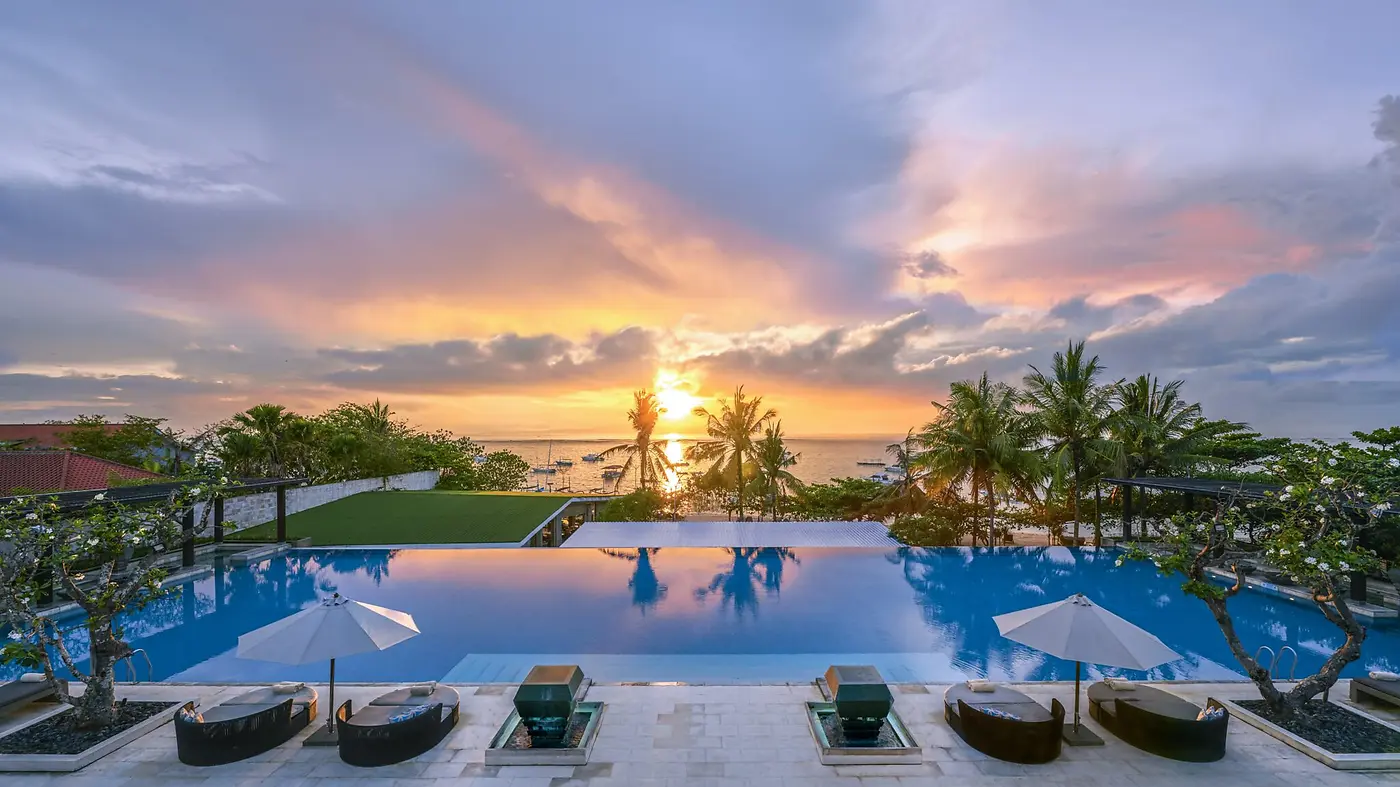
It would be unfair to stop there, because the place is turning. The lobby is now excellent, raised just enough that you look over the gardens to the sea and, on a clear morning, to the volcano beyond. It is the most alive part of the hotel and the staff working it are warm and visibly enjoying themselves. The restaurants are fine. The rooms are the largest in Sanur by a distance, and at around $230 that is a real argument. It is a resort halfway through rebuilding itself, which is a perfectly reasonable thing to be, and something you would rather know before you book than after.
Exhibit C, in case two hotels is not enough
Regent is IHG's flagship luxury brand, and I have had genuinely brilliant stays at Regent Hong Kong and Regent Phu Quoc. Regent Bali Canggu opened to more local noise than any other opening here in years, and when the rates finally came down I booked a studio suite at around $600 to find out whether it held up. It did not, and there are exactly two IHG hotels in Bali I would not send you to at their asking price. Regent Canggu is one. InterContinental Sanur is the other.
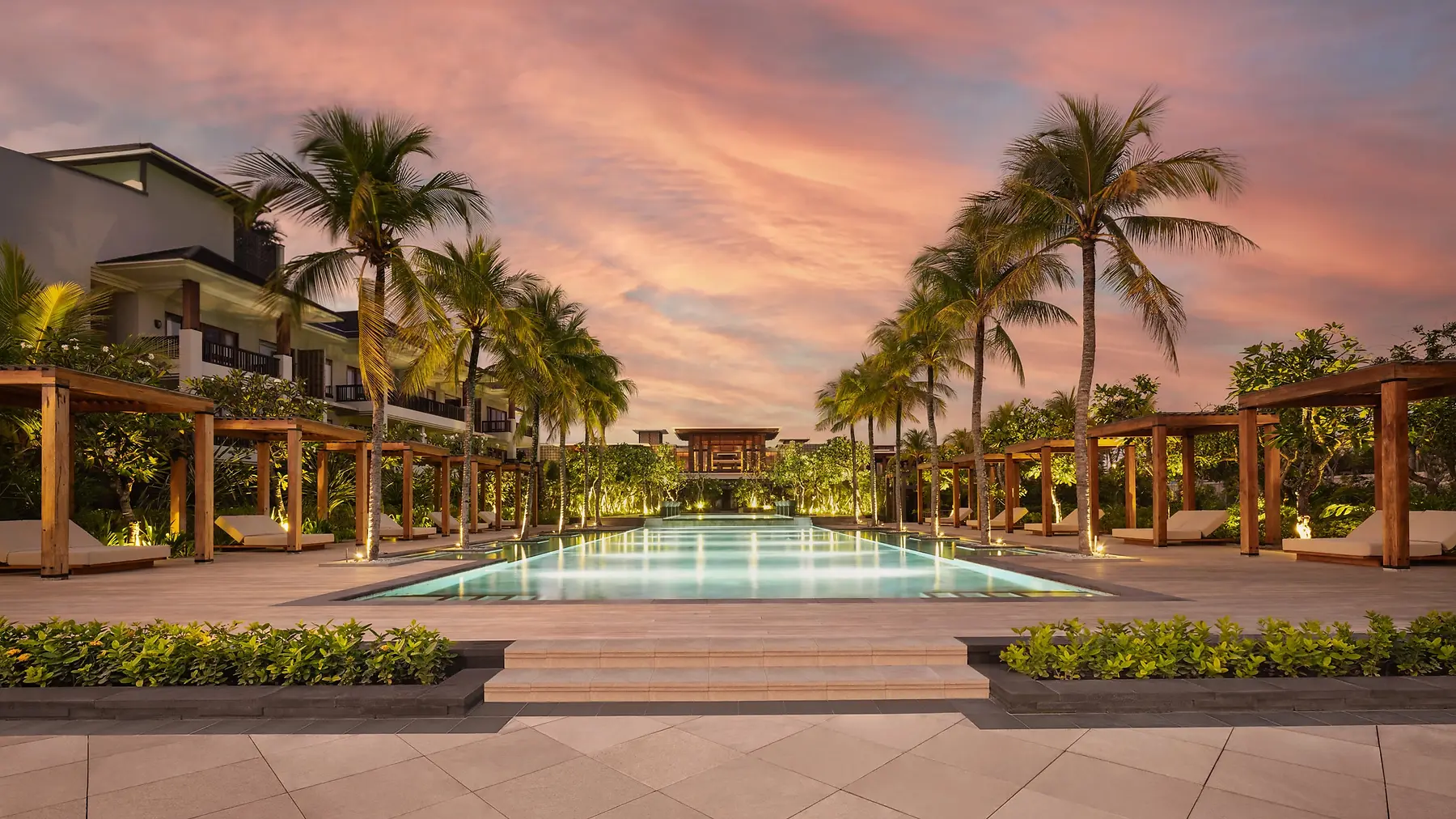
Same brand, three countries, two outcomes. At that point the badge has stopped being evidence of anything.
And then there is Six Senses, which IHG bought
The most interesting property in the Bali portfolio is Six Senses Uluwatu, and it did not grow out of this company at all. IHG bought the brand outright in 2019, in the same way Hyatt bought Alila and Marriott bought Starwood. Which is the pattern of this entire series: the big groups no longer build the interesting hotels. They acquire the companies that did, and then sell you a points balance that works across both.
One company, six brands, one island
| Brand in Bali | Where | What it actually is | From |
|---|---|---|---|
| Six Senses | Uluwatu | A wellness brand IHG bought outright in 2019, not one it built | $800+ |
| Regent | Canggu | The group’s luxury flag. Brilliant in Hong Kong, harder to defend here | $600 |
| InterContinental | Jimbaran | A Hadiprana building on the best sand in the bay, and the best value in Bali | $200 |
| InterContinental | Sanur | The same badge, halfway through rebuilding itself | $230 |
| Hotel Indigo, Kimpton | Seminyak, Canggu | The lifestyle end, aimed at the independent boutique guest | $150 |
| Holiday Inn, Holiday Inn Express | Kuta, Nusa Dua, Canggu, Sanur | Six properties, mostly franchised, doing exactly what they say | $60 |
Approximate entry rates at the time of writing. Around thirteen IHG hotels operate in Bali; we have stayed at and written up three of them.
So what does the badge tell you?
Three things, all of them real. You can book it easily, your points will work, and somebody at head office has checked the fire doors. On a business trip to a city you do not know, that is worth a great deal.
What it does not tell you is whether the beach gets raked, whether the owner reinvests, whether the pool furniture has been replaced this decade, or whether the general manager is any good. Those four things decide your holiday and none of them is printed on the sign.
Which gives you a rule that works for any large badge, not only this one. Read the property, not the brand. Find out when it was last renovated and how much of it was actually touched. Notice whether recent complaints are about staff or about structure, because staff problems get fixed and structural ones do not. And if you cannot tell from the photographs, ask somebody who has slept there.
So which one?
InterContinental Jimbaran, without hesitation, at around $200 with perks. Four hundred rooms, so it is not intimate, and I would not send you if you are allergic to a large resort. Everybody else should look very hard at what they are about to pay elsewhere on this coast.
InterContinental Sanur only if space is what you are buying. The Hyatt Regency and the Andaz are better hotels in the same town.
Regent Canggu not at its current rate, and I have written separately about why.
And the arithmetic to take away with you: seventy-three per cent franchised, one general manager on the payroll, and a beach that is either raked at seven in the morning or it isn't. That is not a criticism of IHG. It is a description of what a hotel brand has been since 1946, and your holidays improve the moment you stop reading the sign as a promise.
If the badge cannot tell you whether a hotel is any good this year, ask somebody who slept there.
ASK BEFORE YOU BOOK →