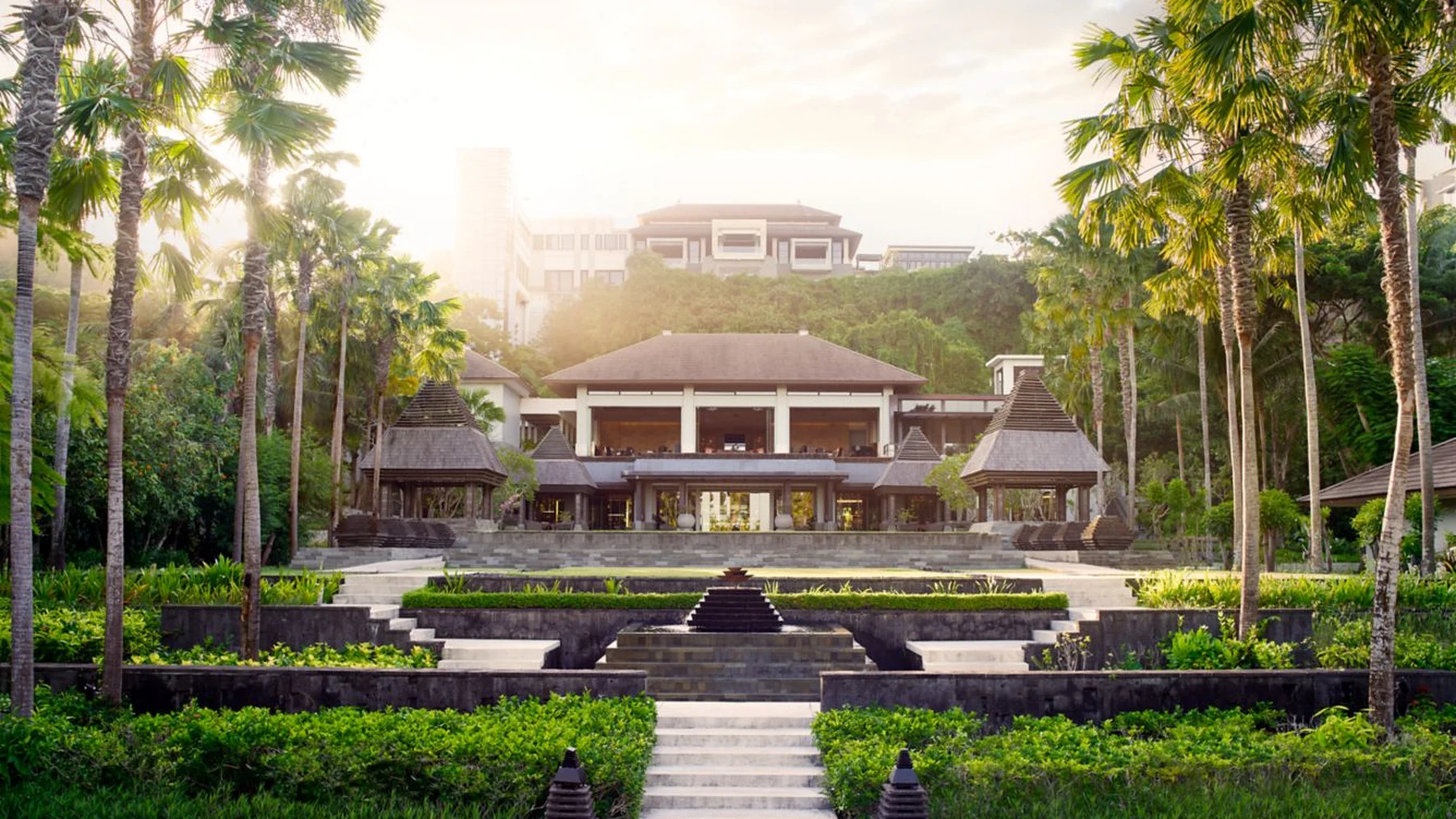
The verdict
I have slept in six of Marriott's Bali hotels and I could not tell you what a Marriott feels like. That is not inattention. With Hyatt or InterContinental the sub-brands still feel related to the parent; here there is no family resemblance at all. The reason, once you see it, explains everything: Marriott does not sell a style. It sells a document. A brand standard runs to hundreds of pages and fixes everything from room dimensions to the sentence you hear at check-in, and if a hotel falls behind, the owner is handed a renovation plan and told to spend or lose the flag. That document protects you from the owner, and it protects the owner from you. It is why nothing is ever broken at these six, and why so little of the person serving you comes through.
Walk the beach path in Nusa Dua and you pass the St. Regis, the Ritz-Carlton, The Laguna, a Westin and a Renaissance inside twenty minutes. Five names, one company in Maryland, competing with itself on a single stretch of sand. Add Mandapa in the Ubud valley, W Bali in Seminyak and Bvlgari on the cliffs and you have around thirty Marriott hotels on this island under a dozen names.
I have reviewed six of them and liked most of them. What I could never do was find the thread. So I went back and read my own write-ups next to each other, and the thread turned out not to be a feeling at all.
What you are actually buying
A specification, written down, audited and enforced. The brand standard for a hotel group of this size is a document running to hundreds of pages, covering guestroom dimensions, technical fit-out and the scripts used at the front desk. It goes further than most guests would believe: the standards specify approved suppliers, not only for toiletries but for the coffee and, famously among people who have worked inside these companies, the jam.
Then comes the part that matters more. When a property drifts, the operator issues the owner a property improvement plan: a required programme of renovation, on a deadline, at the owner's expense. Comply or the flag comes down. That is the enforcement mechanism behind every brand standard, and it is the reason a Marriott rarely looks tired even when the owner would rather it did.
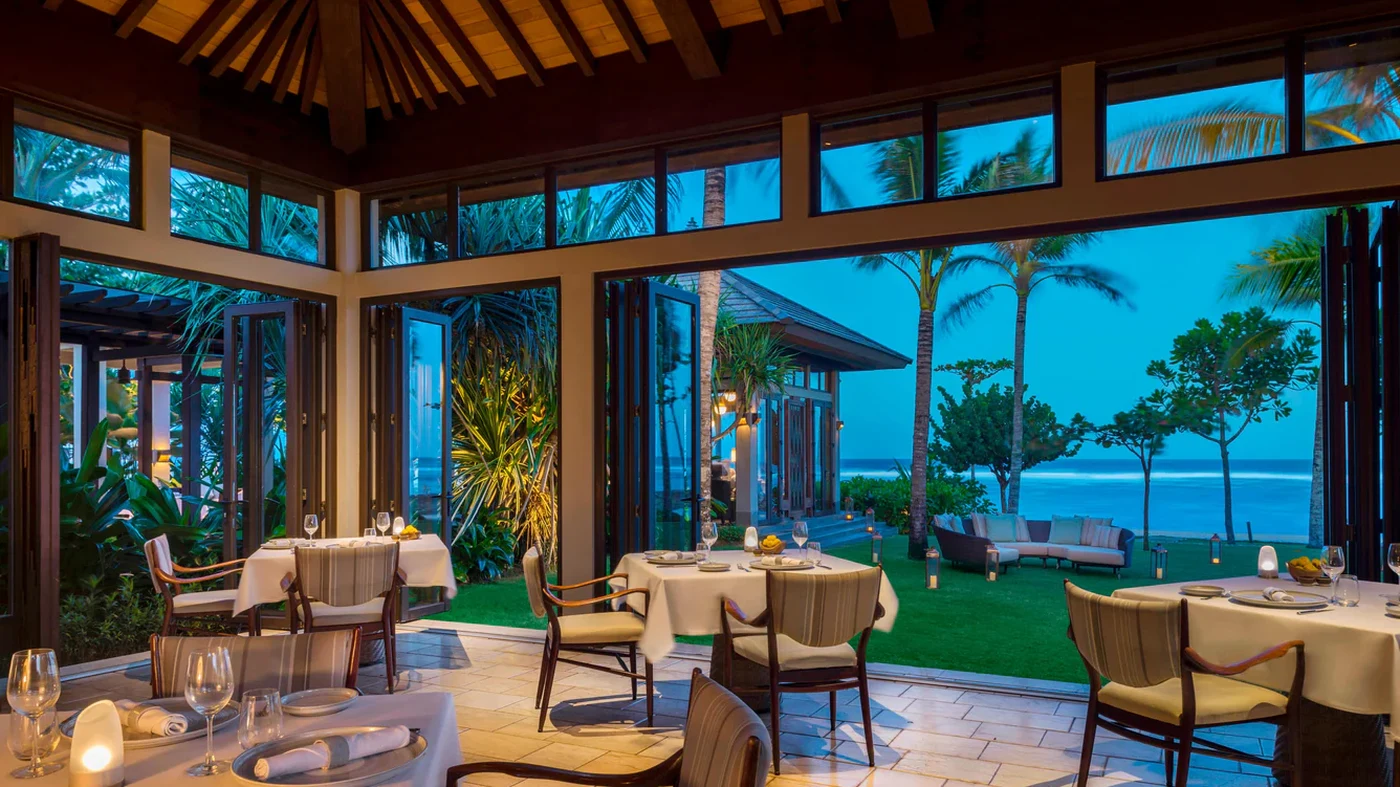
Set that against what I found at Hyatt. At Alila Villas Uluwatu, world-class architecture sits alongside gone paint and scruffy gardens, because the logo sets the standard at the desk while the owner sets the maintenance budget and nobody can force his hand. Marriott's answer to that problem is the document. The trade is that the same pages which guarantee the paint also prescribe the welcome.
Which explains the thing I could not name
Read my six reviews together and the same observation keeps surfacing in different words. At Mandapa a member of staff strikes a gong the second your foot lands and your butler kneels to your eye level to introduce himself. It is extraordinary. It is also so exacting that there is very little room for anybody to step outside it, and I wrote at the time that a place this consistent is by definition giving you the same thing it gives everybody. I still think about a laugh that got reeled back in.
At the Ritz-Carlton I counted six hellos on the walk to the pool and noted that I have never stayed anywhere on this island where the staff work harder. In the same paragraph I wrote that the effort read as trained rather than spontaneous, polished to a level that leaves almost no room for anyone's personality.
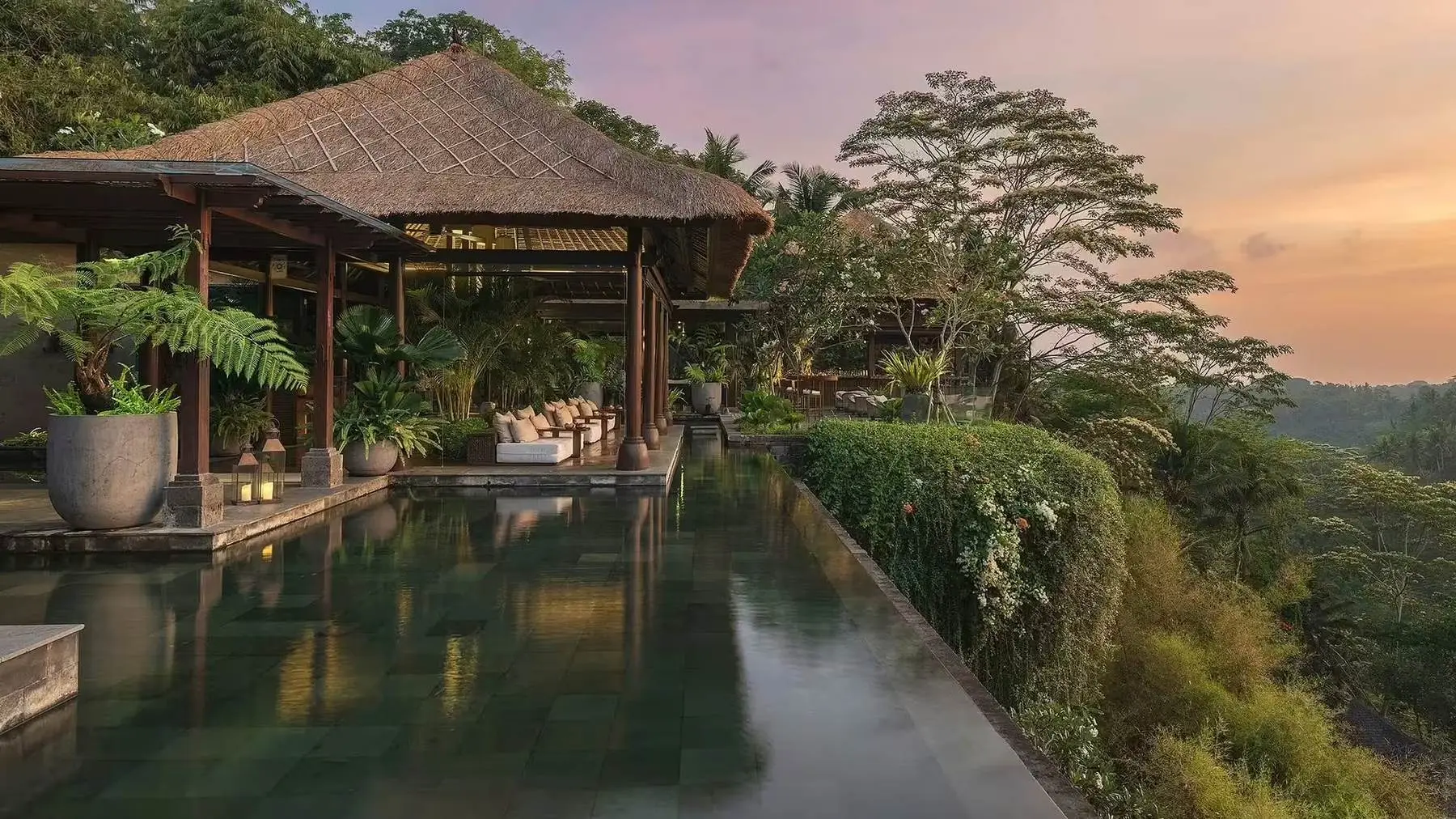
At Bvlgari, at $1,200 a night, staff commute for hours from the parts of the island where people actually live, and the service that results is too often transactional. That is a bizarre thing to write about Bali, where warmth is not a training module but closer to a national character trait. At W Bali the service is good on some days and less good on others, because it is a busy hotel and the staff are visibly under pressure at peak.
And then The Laguna, which carries the least glamorous luxury badge of the six. Staff there have worked across generations and take visible pride in the place. The service is not the best I have had in Indonesia and does not need to be: it is very good, consistently, and it fits the place exactly.
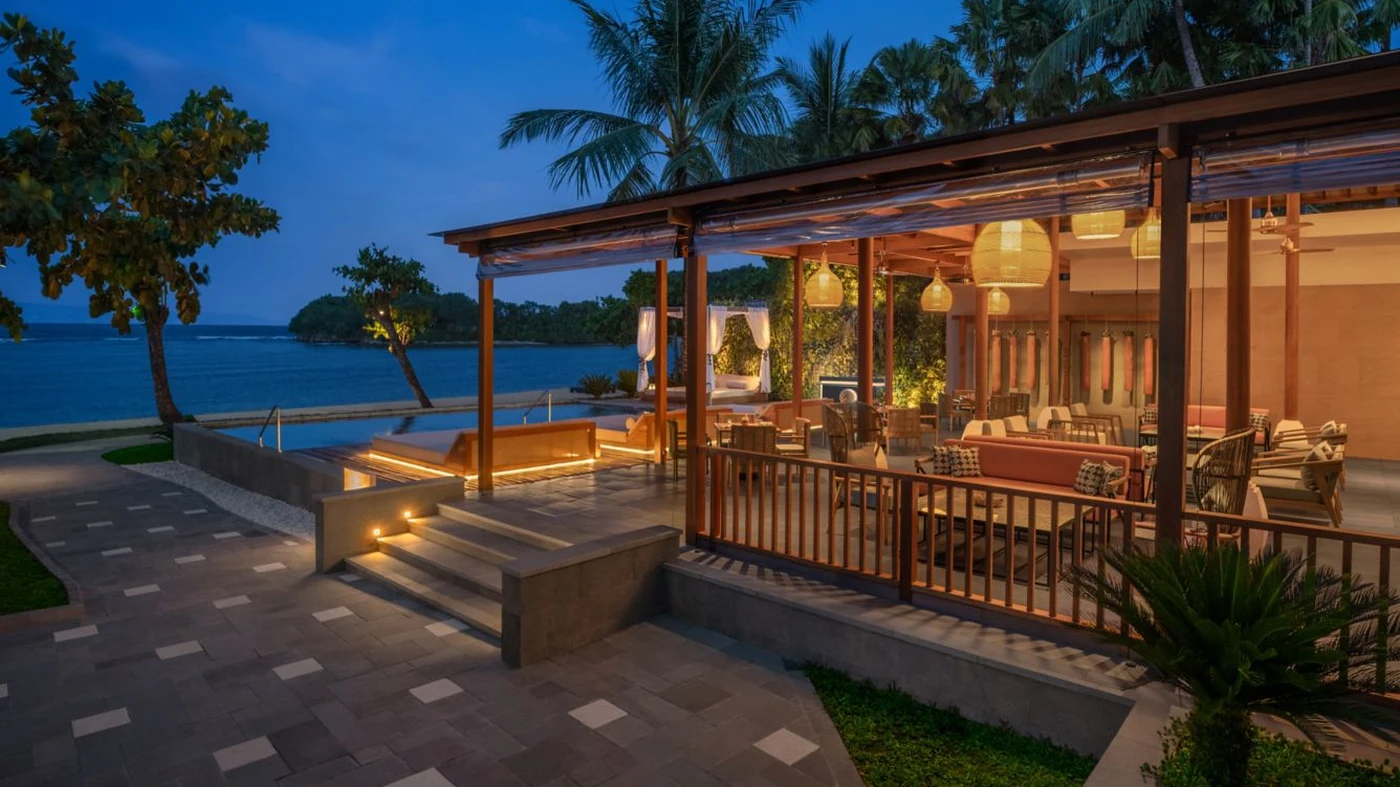
Put those five side by side and the pattern is uncomfortable. Inside one company, the tighter the specification and the higher the price, the less room there is for a human being to appear inside it. The hotel where I felt most looked after by people rather than by a standard is the cheapest of the six.
The badge is chosen for the owner, not for you
A flag is a commercial instrument, and it is aimed at a lender rather than a guest. The clearest evidence on this island is a hotel I like. The Ritz-Carlton at Sawangan was in development as a Regent, and the brand was reassigned fairly late, ahead of its opening in 2014. I wrote then that this explains almost everything about how it feels to walk through, because it is a building written for one brand and delivered under another.
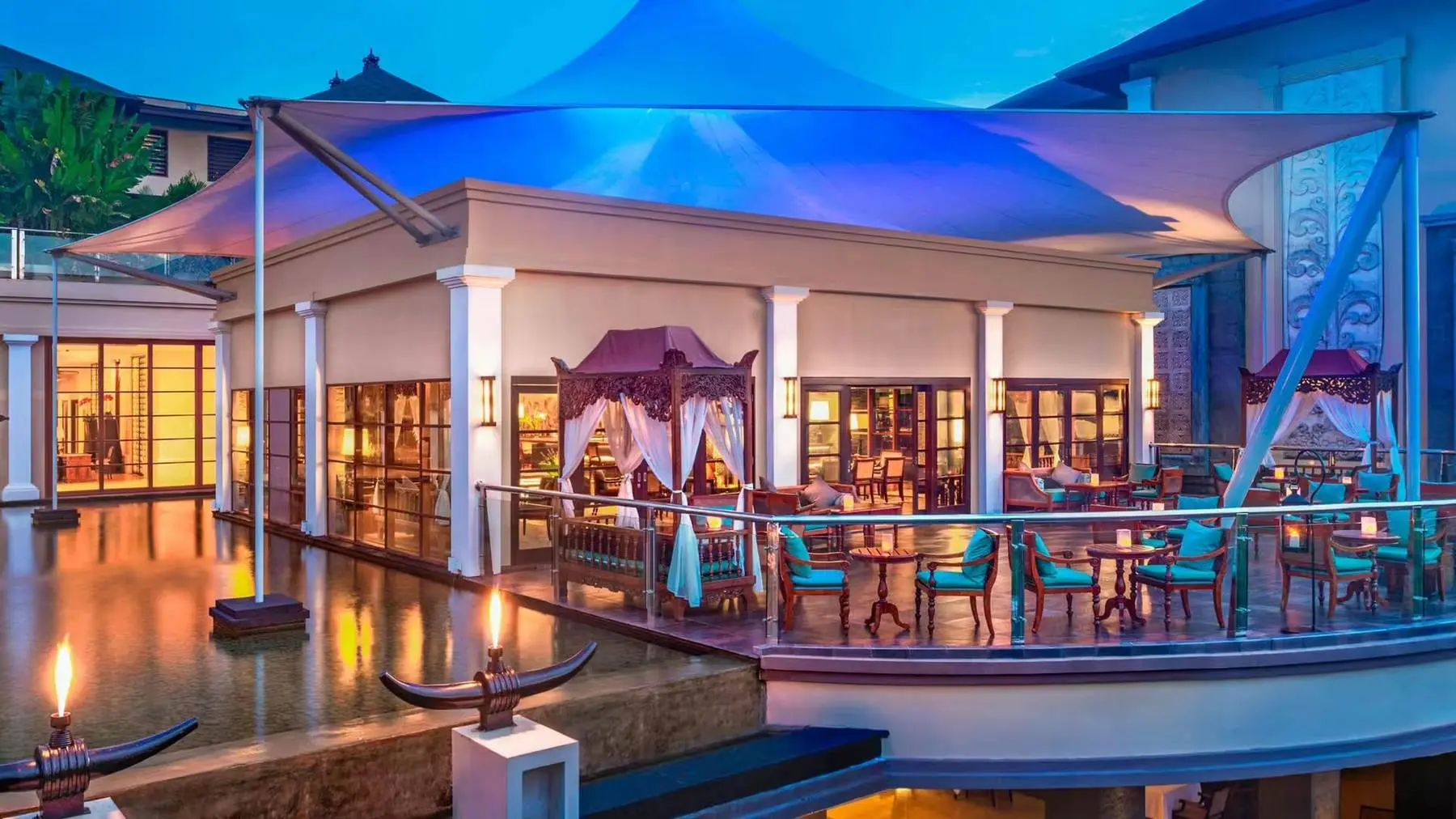
Owners sign the badge that promises the best return on that plot. The flag goes up whatever the building was drawn to be, and the specification arrives afterwards to make it behave.
The tier is not a ladder
Marriott sorts forty brands into tiers and calls the top one Luxury. In Bali that single tier runs from $250 to $1,200. Bvlgari and Mandapa at $1,200, the St. Regis at $600, the Ritz-Carlton at $375, W Bali at $325 and The Laguna at $250. Five to one, inside one category, which means that “a Marriott luxury property in Bali” carries no information at all. It might be a clifftop villa with a lift to a private beach. It might be a room above a pool party.
Even your rights change with the badge
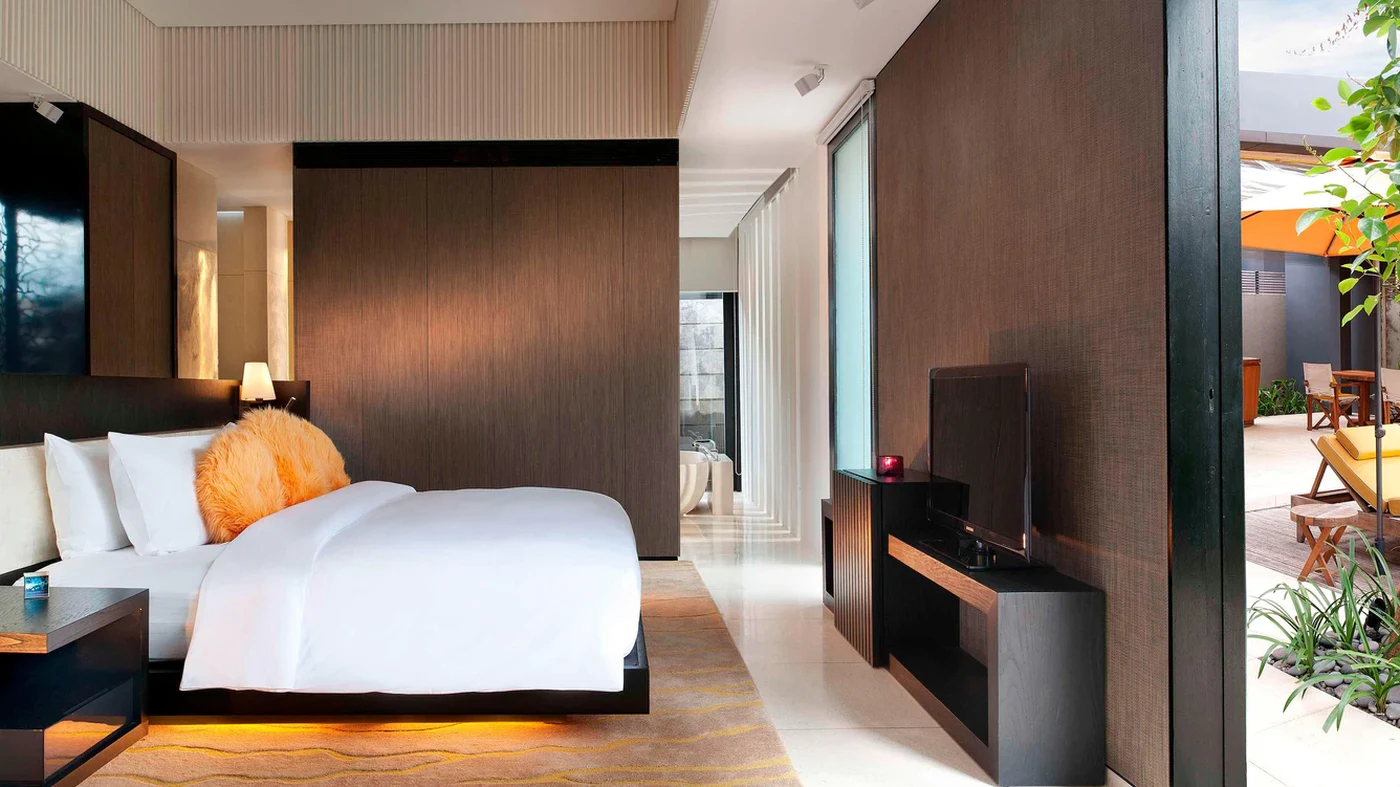
This is not only a feeling. It is written into the programme. A Bonvoy Platinum member gets breakfast and a shot at a suite upgrade at the St. Regis. At the Ritz-Carlton there is no free breakfast at all and rooms with club access are excluded, with suite upgrades restricted to the top tiers until a recent change. At a Ritz-Carlton Reserve, which is Mandapa, complimentary upgrades do not apply. And Bvlgari sits outside Marriott Bonvoy altogether, the only brand in the company that neither earns nor redeems points.
Four hotels, one tier, four different deals. The reason is history. Marriott bought Starwood in September 2016 for more than $13 billion, which is how the St. Regis, The Laguna and W Bali became Marriott hotels at all, and in 2018 three separate loyalty programmes were merged into one. The old rules never fully dissolved. You can still feel the join, nine years later, in whether you are handed breakfast.
So what does the name tell you?
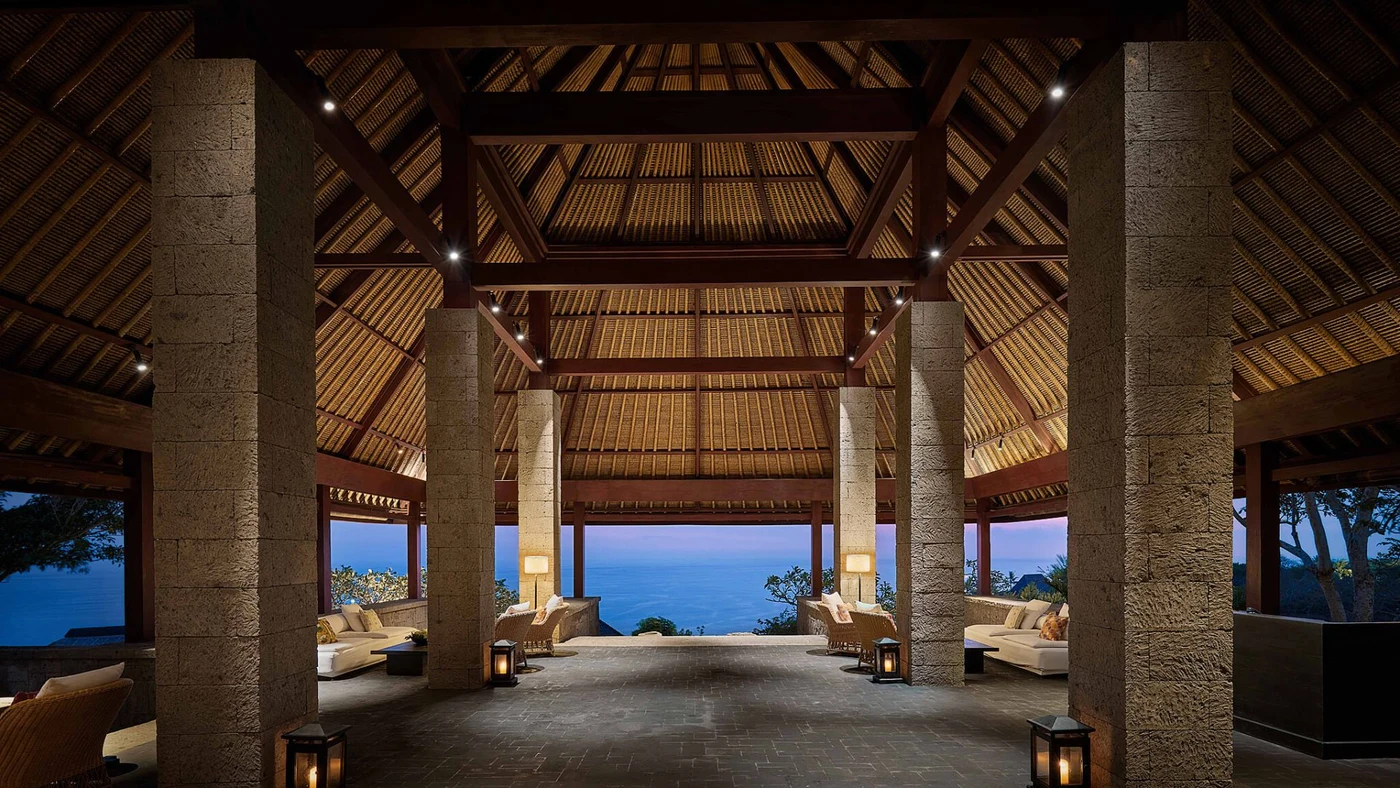
Three things, and no more. It tells you the standard, which across these six is genuinely high and impressively consistent, and it will be enforced. It tells you which loyalty rights you hold, which vary more than anybody expects. And it tells you the price bracket, roughly.
What it does not tell you is the age of the building, the quality of the setting, the atmosphere, or whether anybody will remember your name by Wednesday. The document cannot specify that. In fact it is the thing the document most reliably squeezes out.
Six luxury brands, one company, one island
| Hotel | Badge | What it actually is | Your Bonvoy rights | From |
|---|---|---|---|---|
| Bvlgari Resort Bali | Bvlgari | A jeweller’s name, Marriott’s operation, somebody else’s land | None. The only Marriott brand outside the programme | $1,200 |
| Mandapa | Ritz-Carlton Reserve | 35 suites and villas in a river valley; Bali’s only three Michelin keys | Points yes, complimentary upgrades no | $1,200 |
| The St. Regis | St. Regis | A butler for every suite, and a 92 sqm entry room | The most generous of the six | $600 |
| The Ritz-Carlton | Ritz-Carlton | A cliffside resort drawn as a Regent, reflagged before it opened | No breakfast; club rooms excluded | $375 |
| W Bali | W Hotels | A 2011 design piece with villas better than the brand suggests | Standard, and useful here | $325 |
| The Laguna | The Luxury Collection | Seven lagoons, staff who have worked here for generations | Standard, and the best value of the six | $250 |
Rates are entry categories at the time of writing. Programme rules change; the Bvlgari exclusion has held since the brand’s Marriott partnership began.
Which Bali Marriott should you book?
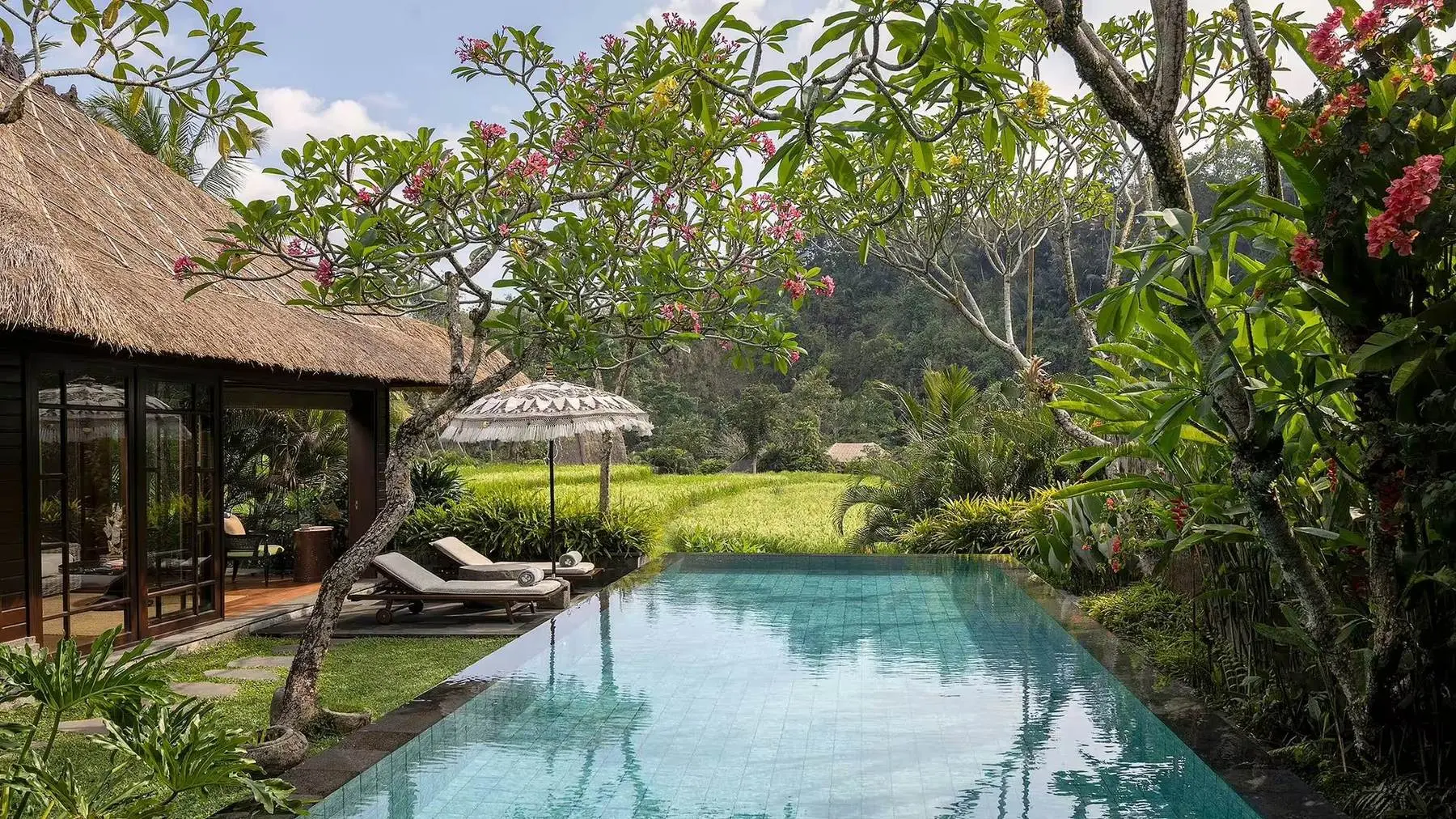
The Laguna at $250 for the money, and for the only address in Nusa Dua that feels like somewhere rather than a compound that could have been assembled anywhere warm.
The St. Regis at $600 if you want the full apparatus: a 92 square metre suite as the entry room, a butler who will bring a cappuccino at one in the morning, and champagne poured at sunset for anybody standing in the right place.
The Ritz-Carlton at $375 for the big Nusa Dua resort, taking the entry suite rather than paying up for an ocean view that sits too far back to register.
W Bali at $325, in a villa rather than a room, because the villas were built with a real budget and are quieter and better than the brand suggests.
Mandapa at $1,200 for the trip you take once, and the best of these six by some distance.
Bvlgari at $1,200 remains the most expensive resort in Bali, still too expensive for what it is, and the only hotel here where the points you spent five years collecting are worth precisely nothing.
And if you remember one line from this, make it that one. At Hyatt you buy a name while somebody else owns the building. At Marriott you buy a document. It will protect you from the owner, and it will protect the owner from you.
Weighing up two hotels with the same badge? That is exactly the question to send us before you book.
ASK BEFORE YOU BOOK →