The verdict
A hotel brand sells you a promise about behaviour, not about buildings. Hyatt runs eight hotels in Bali, more of the island's luxury than any other company, and owns effectively none of them. The name buys you the front desk, the standards and the loyalty programme. The building, the garden and the maintenance budget belong to somebody else entirely, which is why two hotels with the same logo can feel decades apart. Andaz Bali (No. 19, from around $275) is the one I would book. Alila Villas Uluwatu (from around $850) is the best building any of these names appears on, and Hyatt neither designed it nor owns it. Alila Seminyak at $250 and Hyatt Regency Bali at $175 are the value picks in cash. Grand Hyatt Bali, from around $200 with benefits, is the only one Hyatt conceived itself. And on points every line above changes.
At Alila Villas Uluwatu I spent two days admiring one of the most disciplined buildings in Asia and quietly noticing that the paint had gone in places, that small things were broken, and that the gardens were scruffy in a way the architecture plainly did not intend. It is a confusing experience, and most guests resolve it the same way I first did, by assuming somebody at head office has taken their eye off the ball.
That is not what happened. It happened because the logo on the gate and the building underneath it belong to two different companies with two different budgets, and once you understand that, a great deal about hotels in Bali stops being mysterious.
What are you actually buying when you book a brand?
Behaviour, mostly. Hyatt is a management company. It supplies the name, the reservation system, the training, the service standards and the loyalty programme, and takes a fee for doing so. What it very rarely supplies is the hotel. The land, the buildings, the furniture and the maintenance budget belong to an owner, usually local, who decides when the villas get repainted and whether the gardens get three gardeners or six.
So the brand is a reliable promise about how you will be greeted, how quickly a problem is solved and what happens when something goes wrong. It is a much weaker promise about what the place will look like when you arrive. Guests read the logo as a guarantee of both, and that is the gap where disappointment lives.
So who owns Bali's Hyatts?
Indonesian companies, almost without exception. Alila Villas Uluwatu, Alila Ubud and Alila Manggis are owned by PT Bukit Uluwatu Villa, a company listed on the Jakarta stock exchange whose name is literally the hotel: Bukit Uluwatu Villa. Uluwatu is its flagship and supplied roughly two thirds of its revenue in 2024. Alila Seminyak has a different owner again.
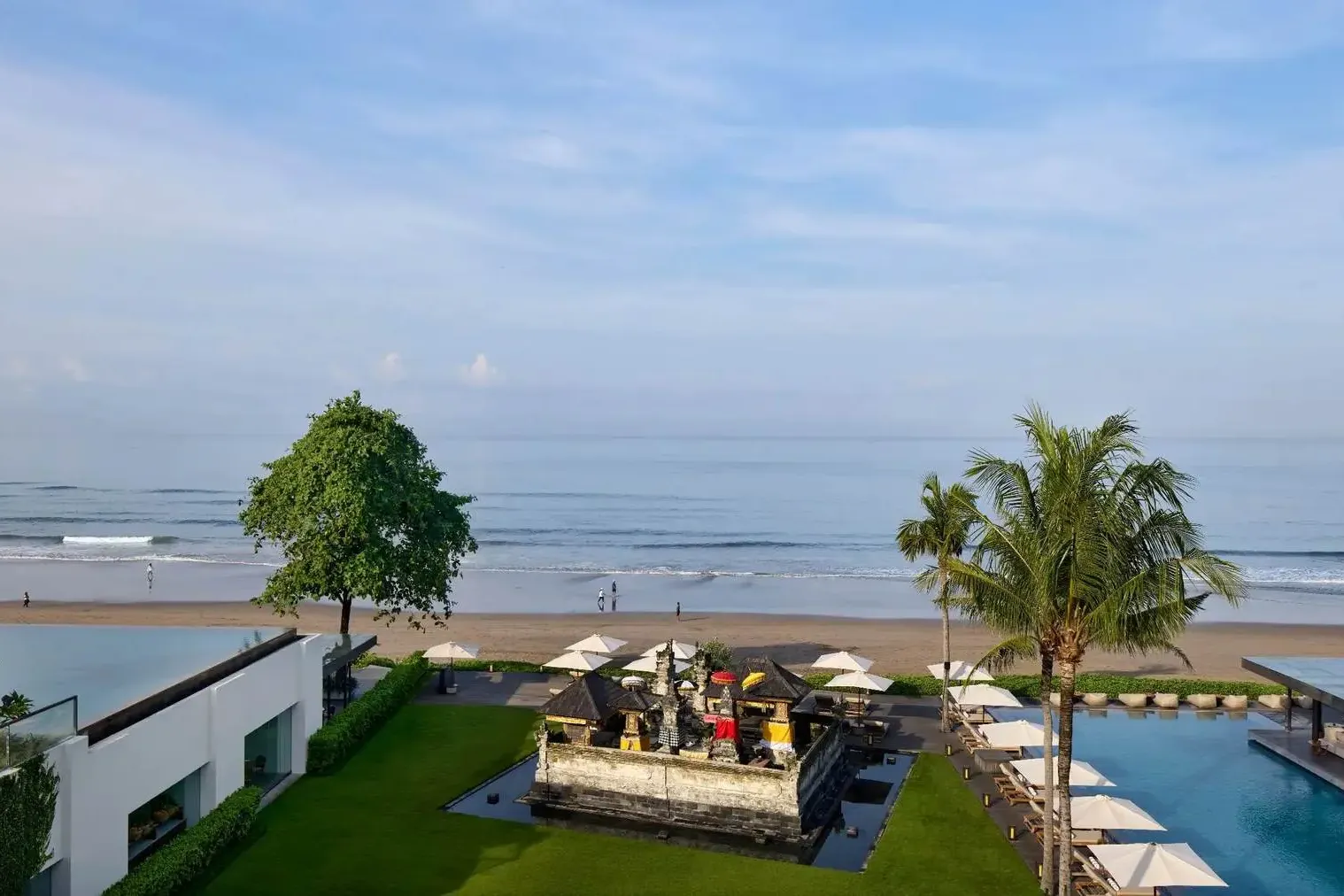
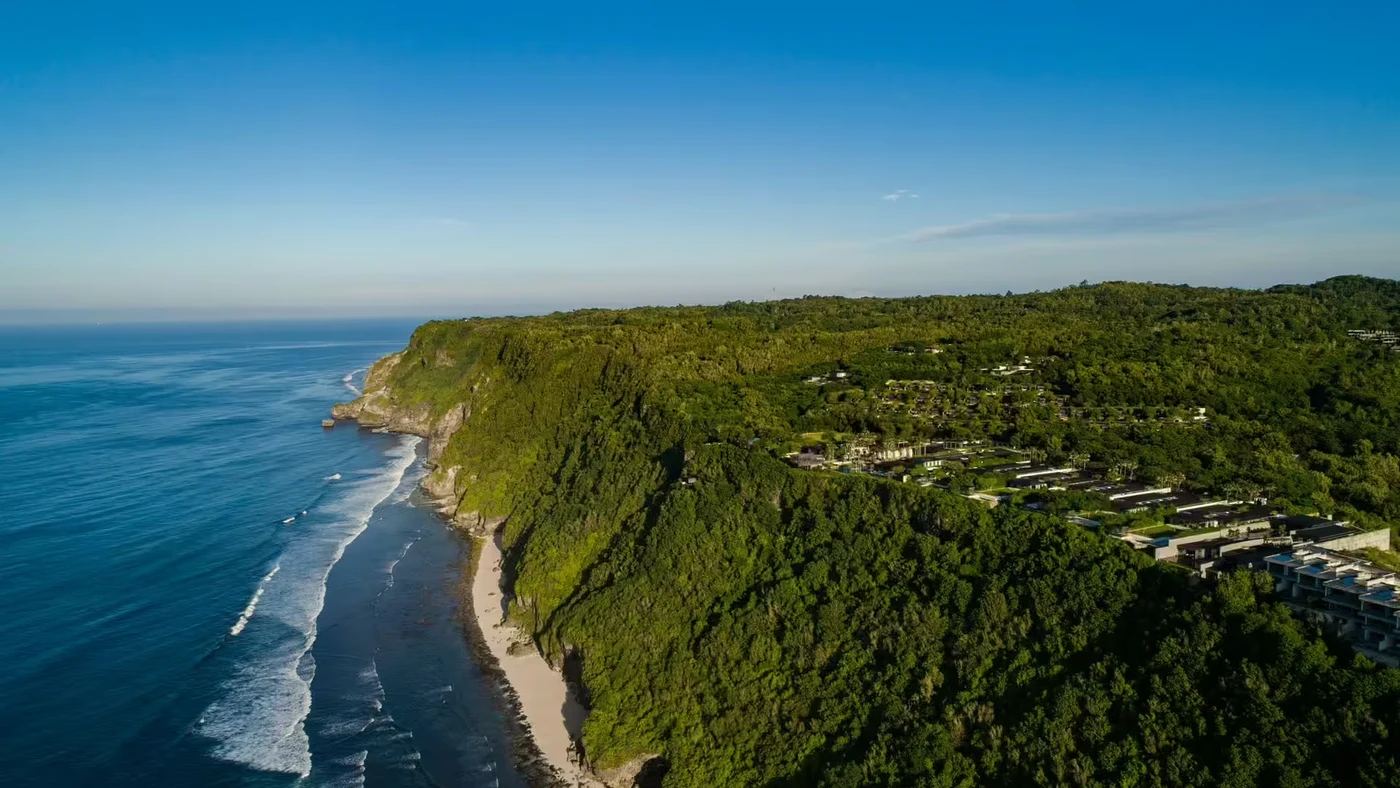
That is the answer to my opening paragraph. An owner carrying a listed company's finances and an operator protecting a global brand want overlapping but not identical things, and the visible result is world-class architecture with tired edges. It is also why Alila Seminyak, with a different owner, feels newer and tighter than its own brand siblings, and why you should treat maintenance as a property-by-property question rather than a brand-level one.
Which is why the history matters
Because Hyatt got here by buying other people's buildings, one at a time. In 1973 an architecture student from Sydney jumped off a ship in bad weather and swam ashore at Sanur. A Brahmin family took him in, he took the name Made Wijaya, and to keep his visa he coached tennis at the brand-new Bali Hyatt, the island's first international hotel. He went on to design its gardens, and those gardens became the template every Balinese resort has copied since. The hotel was also the first job in Asia for a young Australian architect called Kerry Hill.
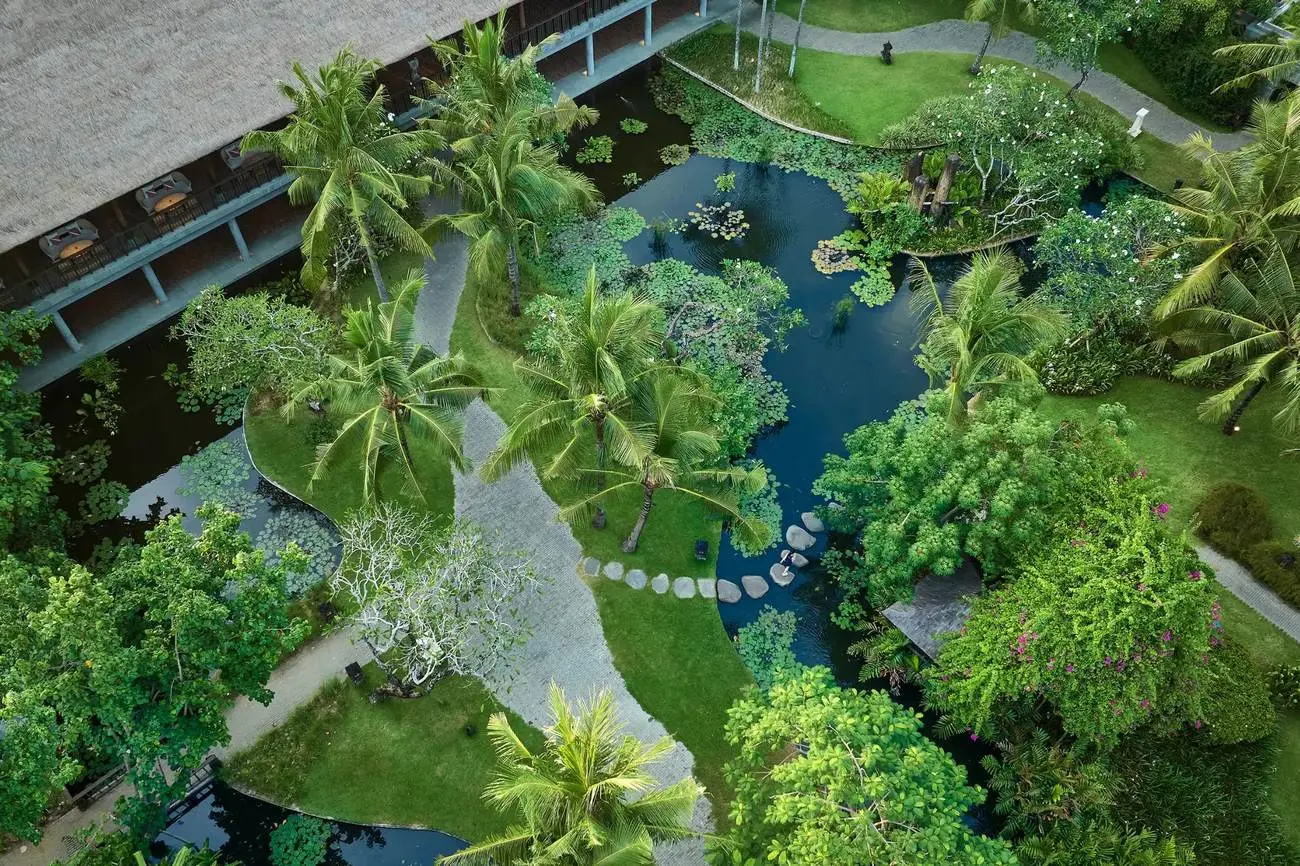
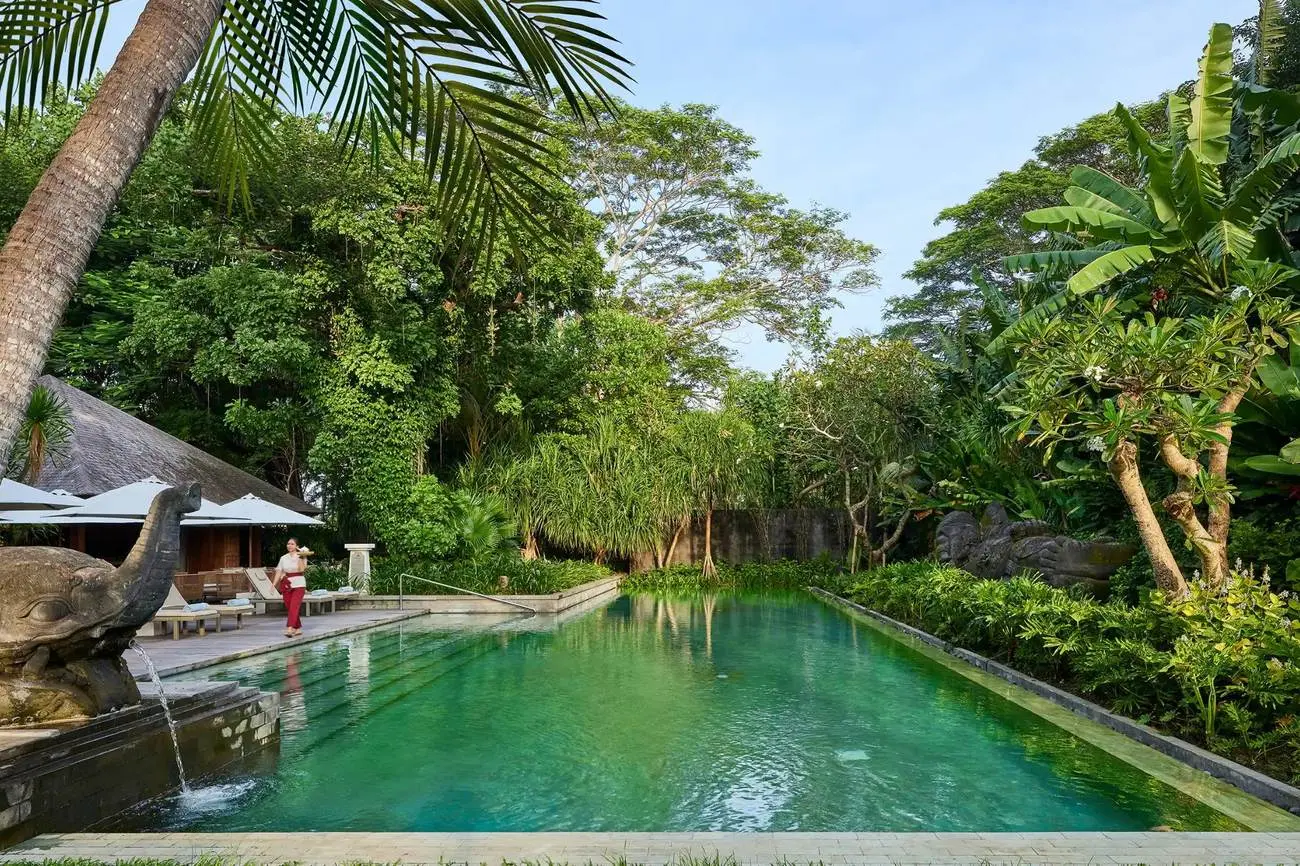
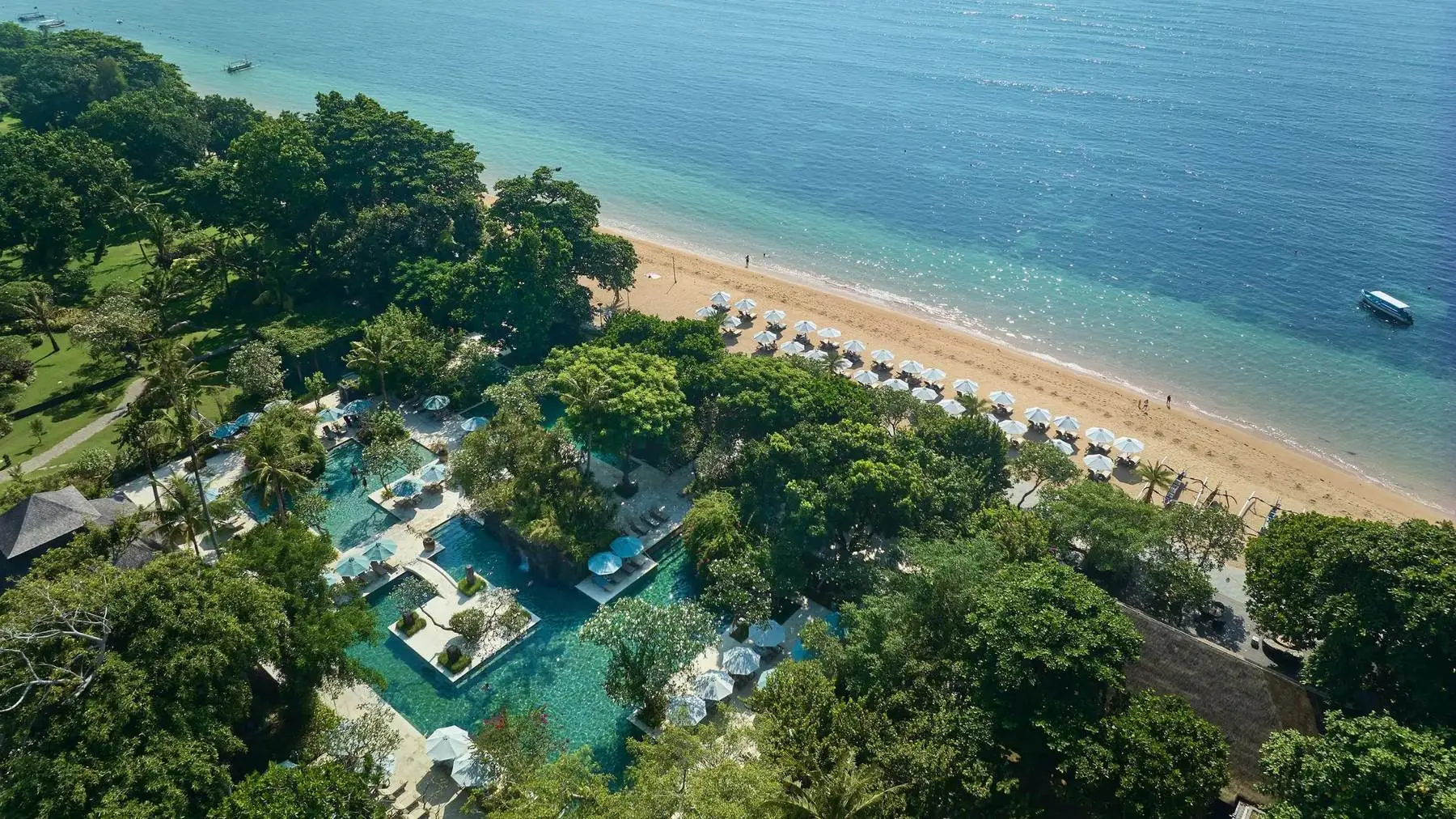
That site is two hotels today: the old building restored around Wijaya's garden as the Hyatt Regency, and the Andaz built from scratch beside it, 149 rooms across almost six hectares, a village designed to look as though it grew there. Both are better than their brand names suggest.
Then, in November 2018, Hyatt paid $480 million for Two Roads Hospitality and Alila came with it: four hotels in Bali, including two Kerry Hill buildings from the nineties and the WOHA masterpiece on the Bukit. Within a decade the company had the garden that defined Balinese landscaping, the Kerry Hill hotels and the best piece of architecture on the island, and it had designed none of them.
The one they built themselves
Grand Hyatt Bali is the control experiment, and it is worth reading as one. It is the only hotel here that Hyatt conceived, built and still runs under its own name: 636 rooms across four villages in Nusa Dua, with 650 metres of beach.
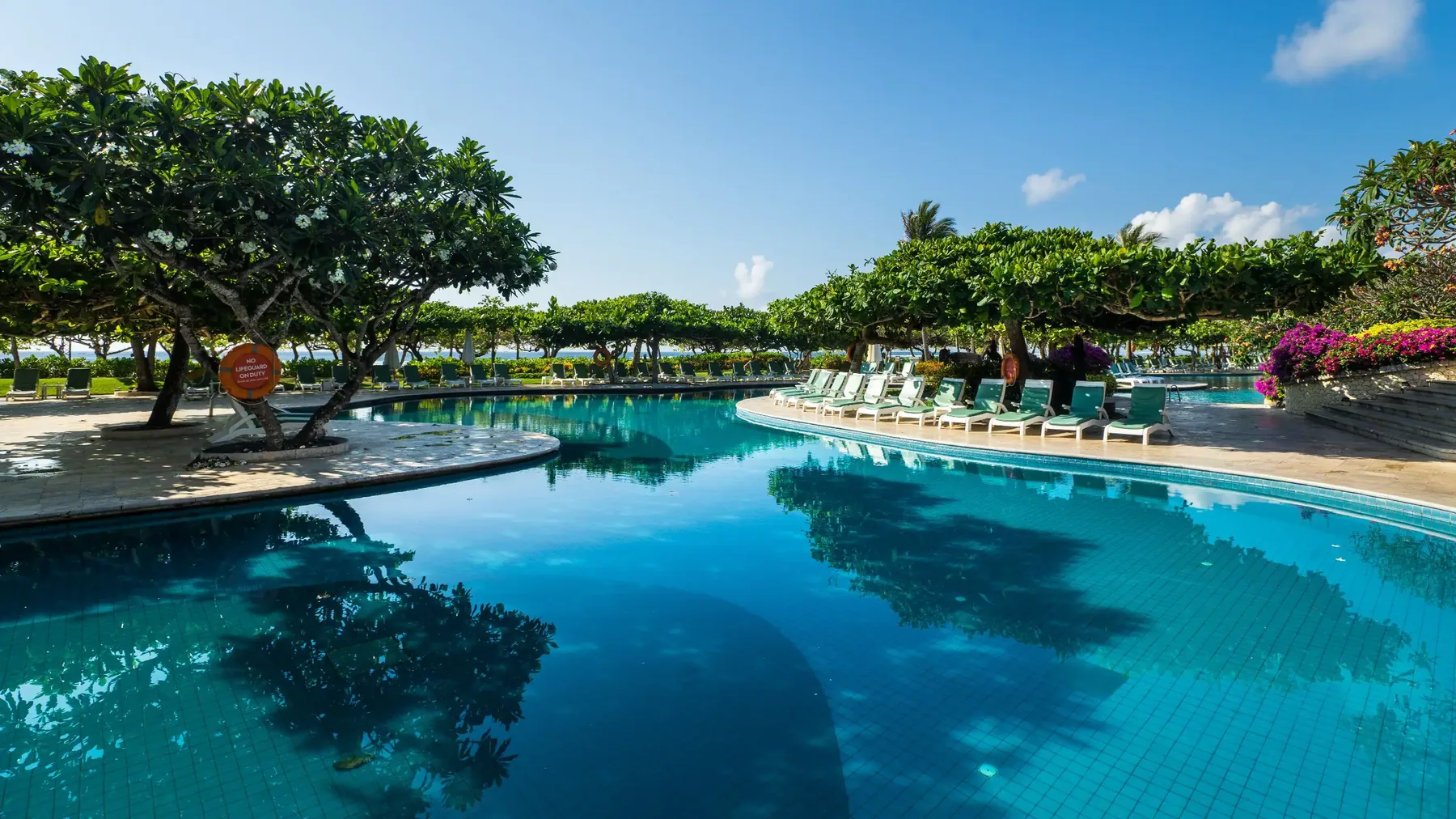
It is well designed and the gardens are genuinely beautiful, vast and a pleasure to walk. There is more space here than almost anywhere in Nusa Dua, the beach is very good, and the club lounge is excellent, which is exactly why so many people angle for an upgrade into it. What it is not is cosy. It is too big to feel personal and reads more like a resort built around a convention centre than a place where anyone learns your name.
Which tells you what this company's own instincts are when nobody else is holding the pen: scale, competence, generosity of space, and not much intimacy. That is not a criticism so much as a description, and it is the reason the hotels Hyatt bought are the interesting ones.
Eight hotels, four names, one operator
| Hotel | Brand | How Hyatt got it | Points | From |
|---|---|---|---|---|
| Andaz Bali | Andaz | Built new beside the old Bali Hyatt | Category 6 | $275 |
| Hyatt Regency Bali | Hyatt Regency | The 1973 Bali Hyatt, restored around its garden | Mid-range | $175 |
| Grand Hyatt Bali | Grand Hyatt | Conceived and built by Hyatt, 636 rooms | The island’s sweet spot | $200 |
| Alila Villas Uluwatu | Alila | Acquired with Two Roads, 2018 | Category 8 | $850 |
| Alila Seminyak | Alila | Acquired with Two Roads, 2018 | Category 6 | $250 |
| Alila Ubud | Alila | Built 1996 as The Chedi, acquired 2018 | Category 6 | $225 |
| Alila Manggis | Alila | Built 1994 as The Serai, acquired 2018 | Category 2 | $150 |
| KLEO Seminyak | JdV by Hyatt | Opened July 2025, the first JdV in Southeast Asia | Lower tier | — |
Cash rates are entry categories at the time of writing and move with the season. Award categories are set by Hyatt and change periodically, so check the chart before you plan a redemption around one.
Where the brand promise is completely real
At the front desk, and in the points chart. This is the half of the bargain Hyatt genuinely controls, and it is good. World of Hyatt still uses a fixed award chart while most rivals have gone dynamic, so a point has a predictable value. On this island the range is extreme. Alila Villas Uluwatu sits in category 8, the top of the chart, at roughly 35,000 points off-peak rising towards 50,000 at peak. Alila Ubud, Alila Seminyak and the Andaz are category 6, in the low twenty thousands. Alila Manggis is category 2, from around 6,500 points against a cash rate near $150. A factor of six inside one brand.
The Grand Hyatt is the island's best-known sweet spot and it earns the reputation, because a club suite there has long gone for a modest number of points relative to its cash rate, lounge included. Take that into account before accepting my verdict on it: a hotel that is merely grand at $200 can be an outstanding deal on points, and a good part of the clientele knows it. There is one more trick that works better here than anywhere I know: Hyatt gives a free night for staying at five different brands, and Bali now offers Alila, Andaz, Grand Hyatt, Hyatt Regency and JdV without leaving the island.
The newest of those, KLEO Seminyak, opened in July 2025 with sixty rooms, a rooftop pool bar and a southern Italian kitchen, and is the first JdV by Hyatt in Southeast Asia. It competes with nothing else on this list. It competes with the independent boutique hotel you would otherwise have booked.
What the points sites always forget
If you collect points you have been told to book direct, which is fair. There is a third option almost nobody mentions. Hyatt runs its own programme for travel advisors, called Privé, and a Privé booking counts as a direct booking. Your points still accrue, your elite nights still count, your status is still recognised, and the Privé benefits stack on top: breakfast for two, a property credit, and a one-category upgrade confirmed within a day of booking rather than hoped for at check-in.
The rate is sometimes a little higher than the cheapest member rate, perhaps fifteen or twenty dollars a night, and against that you are putting breakfast, a credit and a confirmed upgrade, so on a five-night stay the arithmetic is not close. Where both programmes apply, an advisor compares Privé with Virtuoso for your dates and books whichever is stronger. The one place it does not work is a pure award stay, since there is no rate for the benefits to attach to. So the honest advice is split: spend points where the chart is generous, and book through an advisor when you are paying cash.
So which one should you book?
For most people, the Andaz, which sits at number 19 in The Bali 20 and is the best village in Sanur.
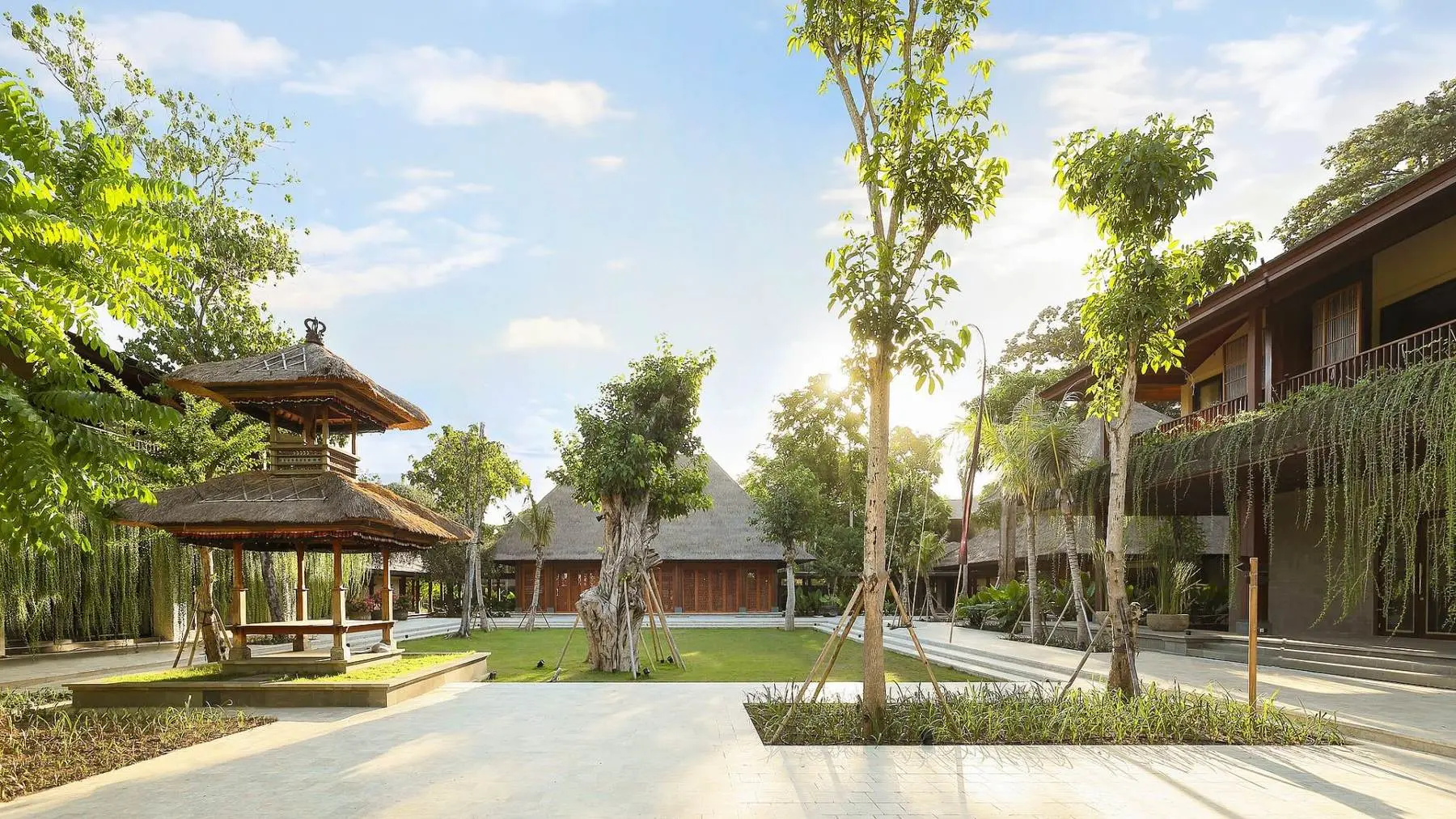
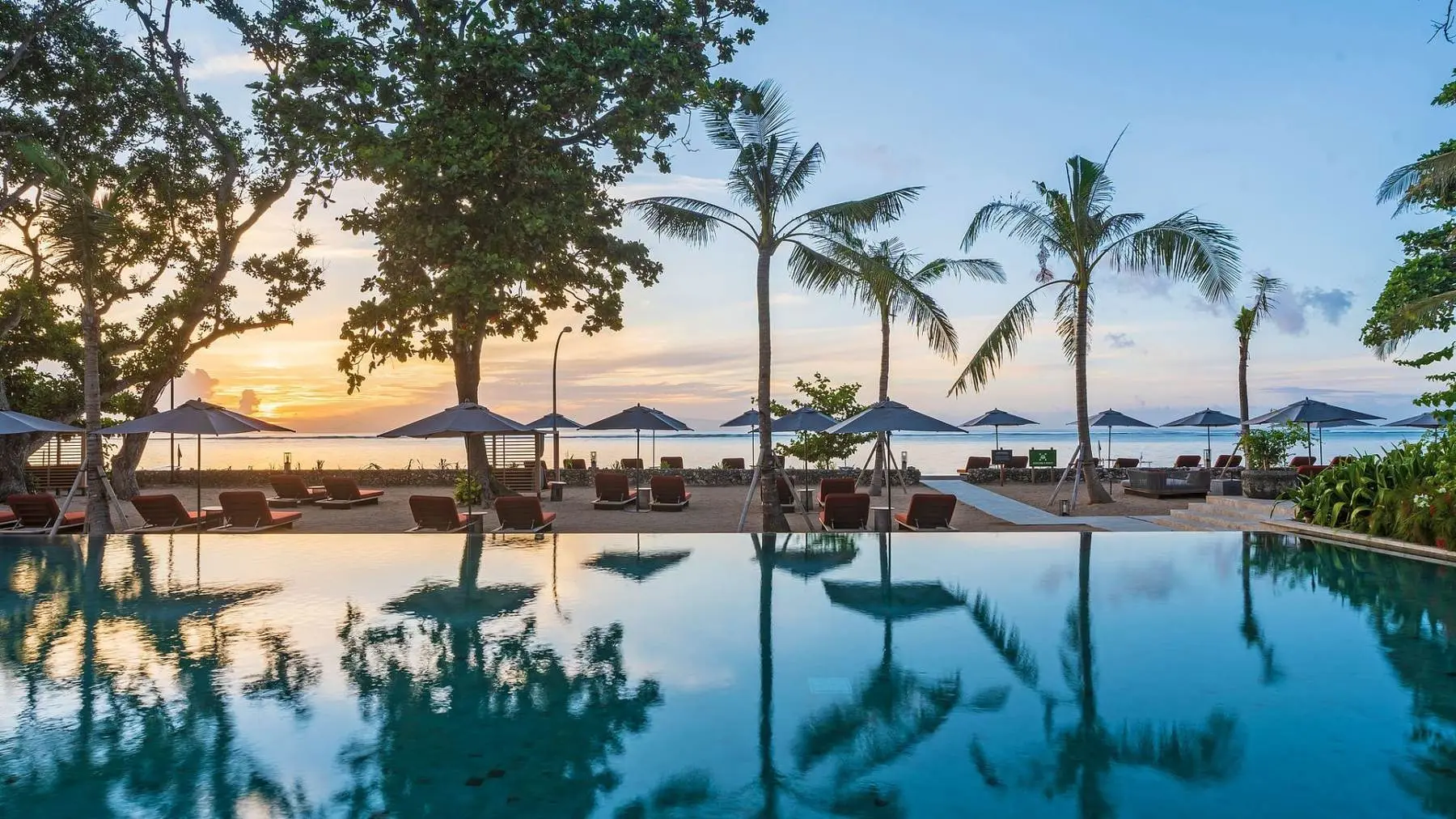
For architecture, Alila Villas Uluwatu, for two nights, for the building, and now you know why the edges are worn. For value in cash, Alila Seminyak at $250, or the Hyatt Regency at $175 for nine hectares of Wijaya's garden and a club lounge that is a wooden pavilion with live gamelan in it. For value in points, the Grand Hyatt without hesitation, and Alila Manggis if you want the best design lineage per point in Indonesia.
And the sentence I would keep: on this island the Hyatt name tells you how you will be treated, and the owner's name tells you what the building will look like when you get there. Nobody prints the second name on the gate, which is precisely why it is worth knowing.
Paying cash for a Hyatt in Bali? Send us the dates before you book and keep your points as well.
ASK BEFORE YOU BOOK →