The verdict
The best hotel in Bali used to be an Alila. It stopped being one in 2016, went back to its owner and has been better ever since, which is either an unkind fact or a very useful one depending on what you want from a name. Today it covers four hotels here with almost nothing in common. Alila Manggis, from around $150, is the oldest and the one I would send a curious traveller to first. Alila Ubud, from around $225, is a Kerry Hill building from 1996 with the most photographed pool in the valley. Alila Seminyak, from around $250, is the polished modern version and honestly good value. And Alila Villas Uluwatu, from around $850, is one of the two or three most significant buildings on this island, which I would book for two nights as an architectural pilgrimage rather than a week as a resort.
Soori is my number one hotel in Bali. For the first years of its life it was called Alila Villas Soori, and on the first of November 2016 it left the group and went back to being run by the architect who owns it. I did not know that when I ranked it. When I found out, I went looking for the rest of the story, because a brand that loses a hotel like that is either in trouble or in transition.
It turned out to be neither, quite. It turned out to be a brand that has changed hands so often that the name now points at four different ideas of what a hotel should be. So here is what an Alila actually is, and which one you should book.
Where it came from, and why that still matters
Alila did not begin as a brand. It began as a divorce.
In the nineties two of the best small hotels in Bali were The Serai in Manggis, opened in 1994, and The Chedi in Ubud, opened in 1996. Both were managed by GHM, the company founded by Adrian Zecha, and both were designed by Kerry Hill, the Australian architect whose first job in Asia was the Bali Hyatt in Sanur, now the Hyatt Regency, and who went on to become one of the defining designers of the modern Asian resort. If that sounds like an unusually strong pedigree for a hotel you can book today for $150, it is.
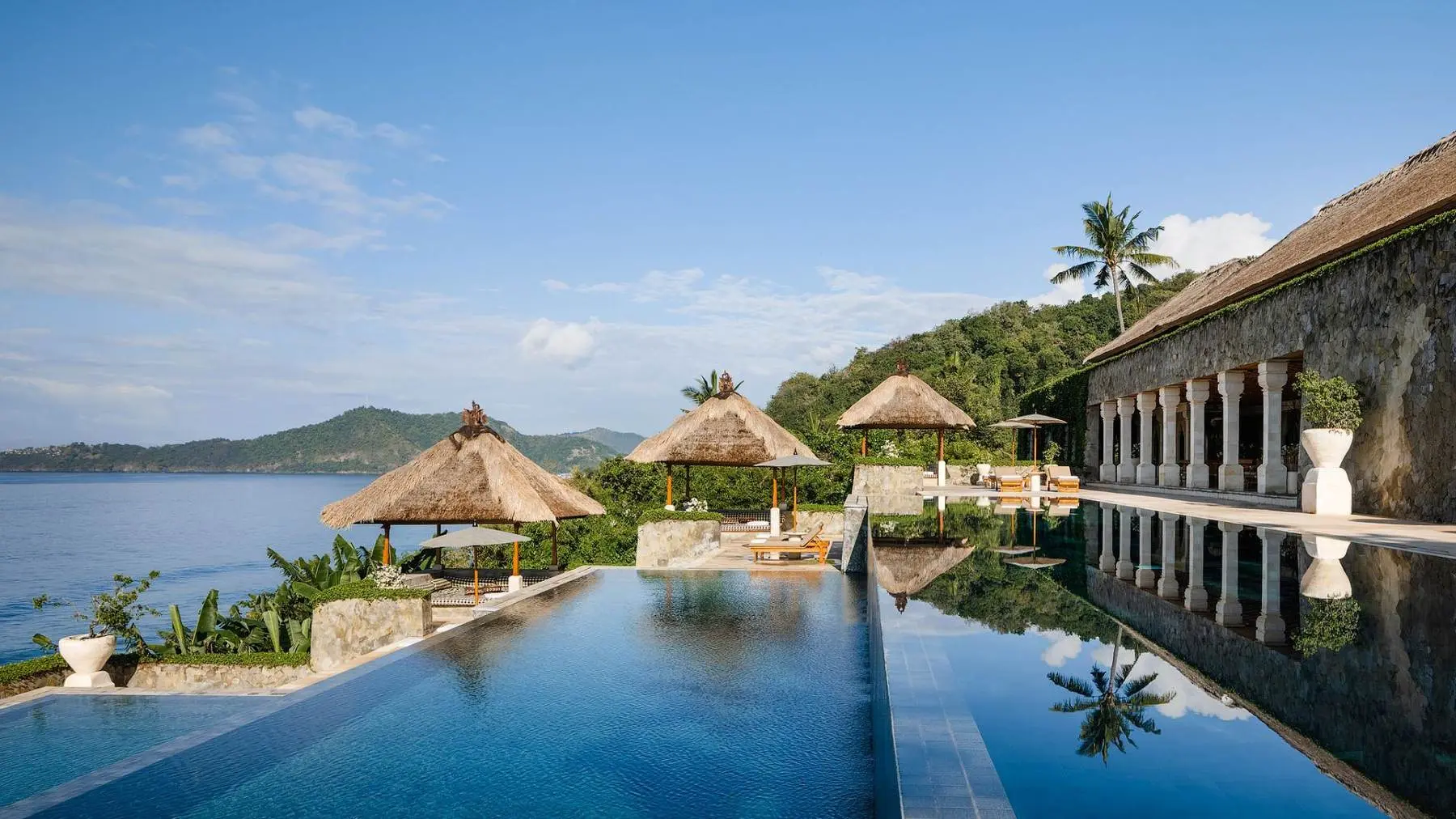
The owners of those two hotels eventually wanted to run them themselves. Mark Edleson, one of the founders, has described the conversation with GHM quite openly: they had three hotels in Bali, Ubud, Manggis and The Legian, of which The Legian belonged to a third party and was by far the biggest earner. His proposal was that GHM keep The Legian and let the owners take back The Chedi and The Serai under a new name. That was agreed in 2002, and the name they chose was Alila, which means surprise in Sanskrit.
The other thing Edleson says, and I think it explains the whole first decade, is that Alila was inspired by Aman. They set out to emulate the design, the spirit, the personal service and above all the choice of location, with more flexibility on price. Which is a fair description of what those early hotels were, and still are: Aman thinking at a fraction of the money.
The decade when it knew exactly what it was
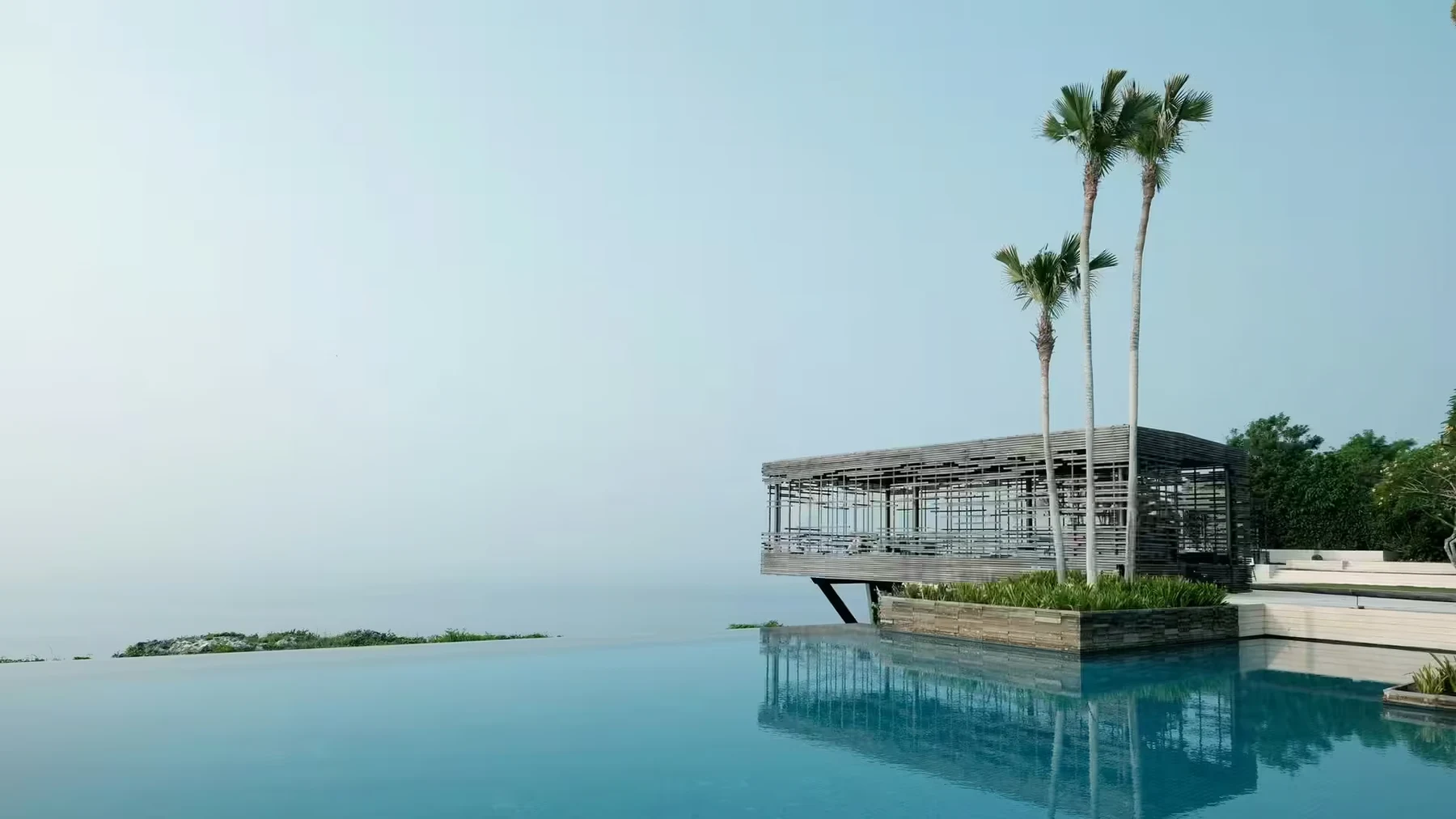
Then came the two buildings everybody remembers. Alila Villas Uluwatu opened in 2009, drawn by the Singapore practice WOHA from 2004, and Alila Villas Soori arrived on the black sand at Kelating. WOHA wrote at the time that the resort redefined luxury as the enjoyment of natural beauty and a sense of place rather than as excessive consumption, which was a bold thing to put in a press release and, to their credit, more or less true of the building.
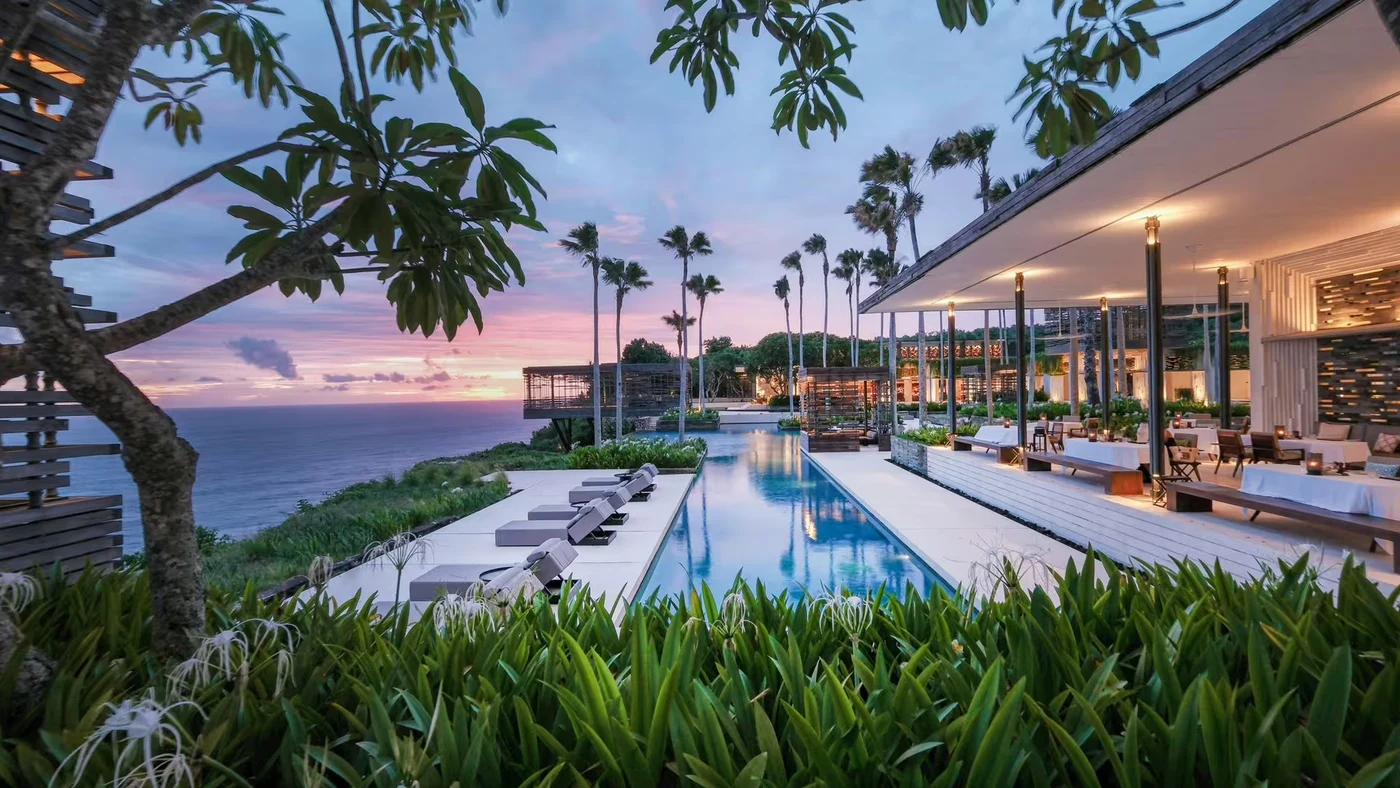
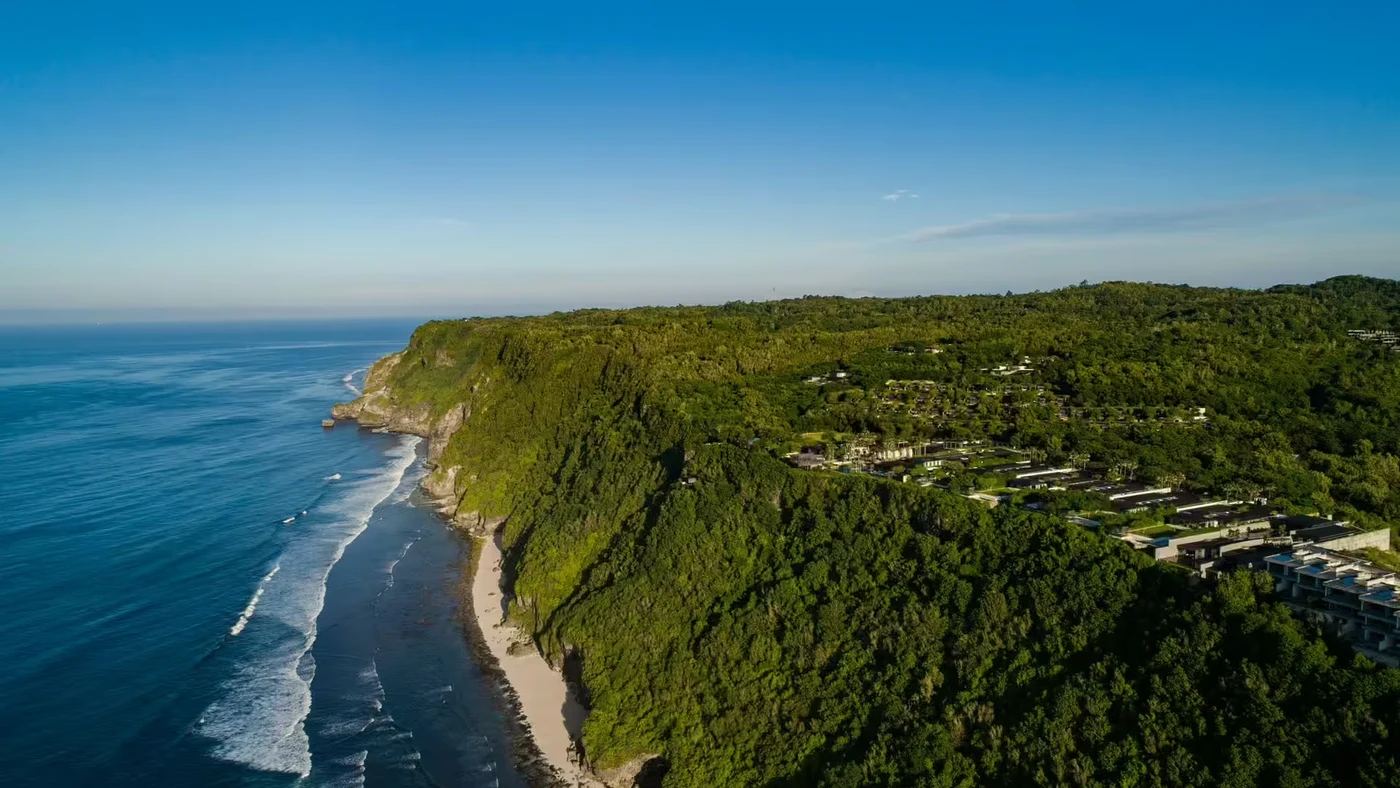
I have written elsewhere that Uluwatu is architecturally the strongest hotel in Bali and that I would send anybody who cares about buildings there for two nights. I have also written that the gardens are scruffy next to architecture that disciplined, that paint has gone in places, that details have been let go, and that the resort now runs largely on being photographed. Both of those are true at the same time, and it is the clearest illustration I know of what happens to a masterpiece that changes hands a few times.
And then Seminyak, which is where I noticed
Alila Seminyak opened on the first of October 2015. Two hundred and forty rooms designed by URBNarc, the largest hotel the group had ever built, with much of the senior staff moved across from the other Bali properties and trained for three months before the doors opened.
I stayed there and liked it a great deal. It is modern in philosophy rather than in decoration, seriously sustainable, restrained for a beachfront hotel in that particular neighbourhood, and the food is more creative than it needs to be. The staff were excellent and also visibly trained, in a way the older properties are not. Walking around it I kept having the same thought: this is the polished corporate version of the old Alila. Everything Manggis and Ubud and even Uluwatu do instinctively, Seminyak does deliberately, slightly better, and with the edges taken off.
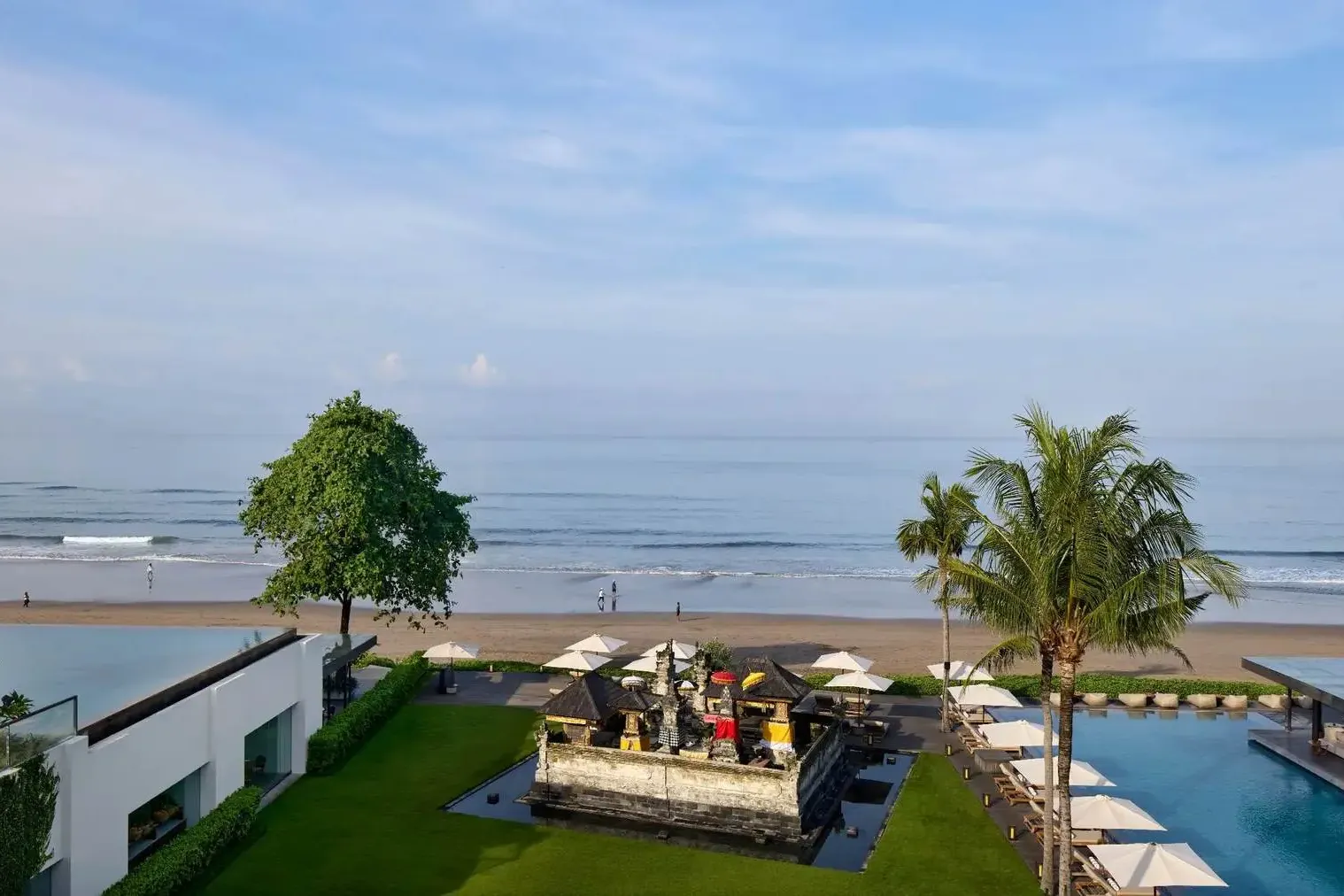
The dates explain it. Seminyak opened in the same period the founders sold control, which makes it the first Alila in Bali that was not really theirs.
Sold, three times, in five years
The sequence moves quickly once it starts. In 2014 Alila announced a partnership with Commune Hotels, who shortly afterwards bought fifty-one per cent. In 2016 Commune merged with Destination Hotels and the whole thing was folded into a holding company called Two Roads. In November 2018 Hyatt bought Two Roads for $480 million, and Alila became one line in the portfolio of a company that also owns Park Hyatt, Andaz and the Hyatt Regency down the road in Sanur.
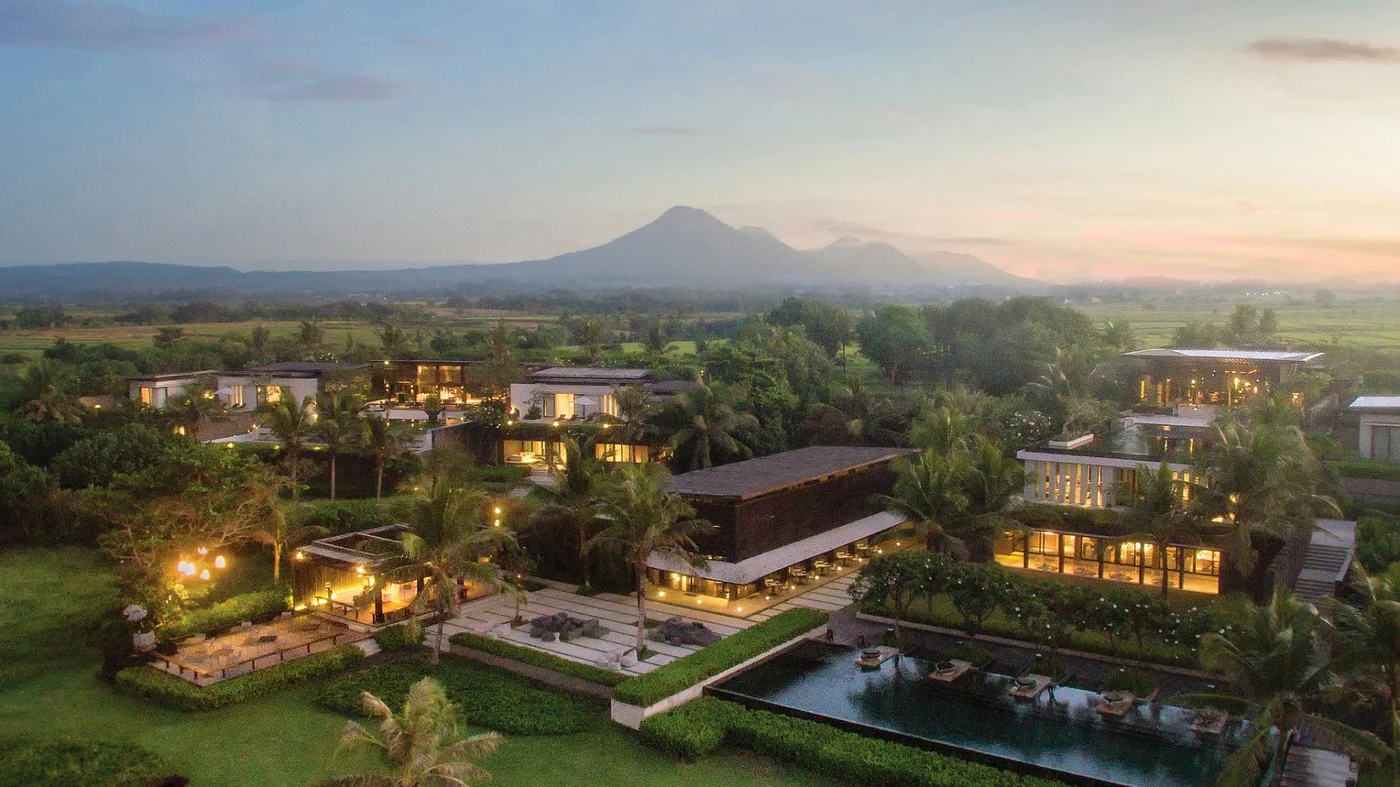
Soori left in the middle of all that, in November 2016, and went back to owner management under Soo K. Chan, who designed it, owns it and still runs it with his wife. Which also means that Alila Villas, a category invented for two hotels, now has one member.
Under Hyatt the brand has grown to around eighteen hotels and is heading for more than twenty by 2027, mostly by converting existing properties rather than building new ones. There is a certain symmetry in that. Alila began by taking over two hotels somebody else had built and renaming them, and it is now growing by taking over hotels somebody else has built and renaming them. In between it built Uluwatu and Soori, and that is the part people fell in love with.
So what is an Alila now?
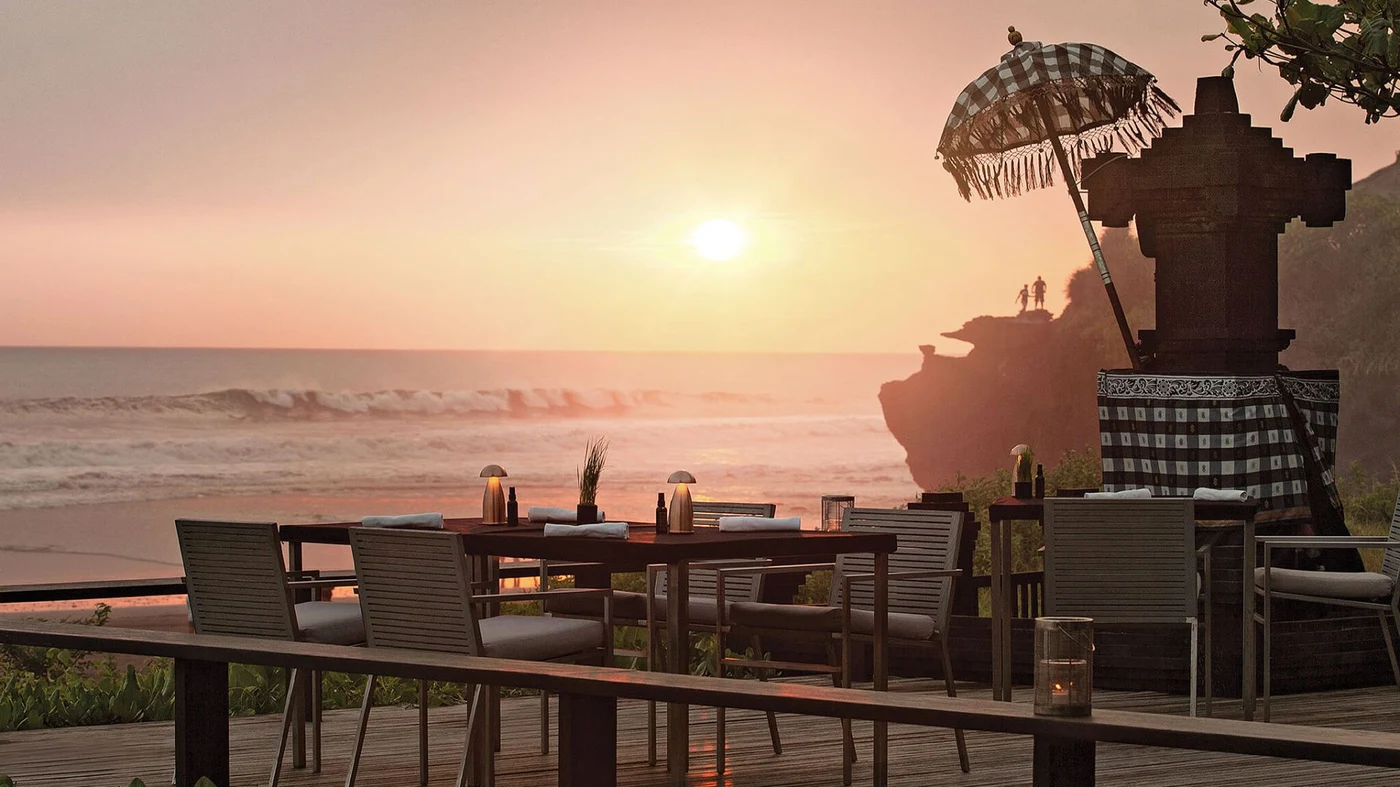
A lineage rather than a promise. Book one expecting a consistent product and you will be confused, because the four in Bali run from $150 to $850 and have four different souls. What they share is a family tree: two are Kerry Hill buildings from the GHM years, one is the brand's own architectural high point, and one is the corporate version built after the founders sold.
That is not only a criticism. It is the reason this group is more interesting than most, and the reason I would happily stay at all four for entirely different purposes.
Five hotels, one name, four owners
| Hotel | Opened, and as what | Where it sits in the story | From, per night |
|---|---|---|---|
| Alila Manggis | 1994, as The Serai, under GHM | Inherited. A Kerry Hill building, the oldest Alila still in the group | $150 |
| Alila Ubud | 1996, as The Chedi, under GHM | Inherited. Kerry Hill again, on the Ayung valley | $225 |
| Alila Villas Uluwatu | 2009, built as an Alila | The high point. WOHA, and the only Alila Villas left | $850 |
| Soori Bali | 2009, as Alila Villas Soori | Left the group in 2016, back under its architect-owner | $800 |
| Alila Seminyak | 2015, built as an Alila | The polished version, opened as the founders sold control | $250 |
Rates are entry categories at the time of writing and move with the season. Soori is no longer part of Alila and is priced independently.
Which one should you book?
For the money, Alila Manggis. It is $150 a night, it is the oldest hotel in the group, it sits on the quiet east coast near the best snorkelling in Bali, and it carries the design lineage of a hotel costing five times that. People whose taste I trust completely come back from it talking about the way the buildings sit in the landscape, about a pool placed exactly where it should be, and about service that would embarrass most resorts at four times the price. I have not stayed, so it is not in The Bali 20 and will not be until I do. It is the property on this island I most want to see.
For Ubud, Alila Ubud at $225 gives you a Kerry Hill building above the Ayung valley and a twenty-five metre infinity pool that people have been photographing for thirty years.
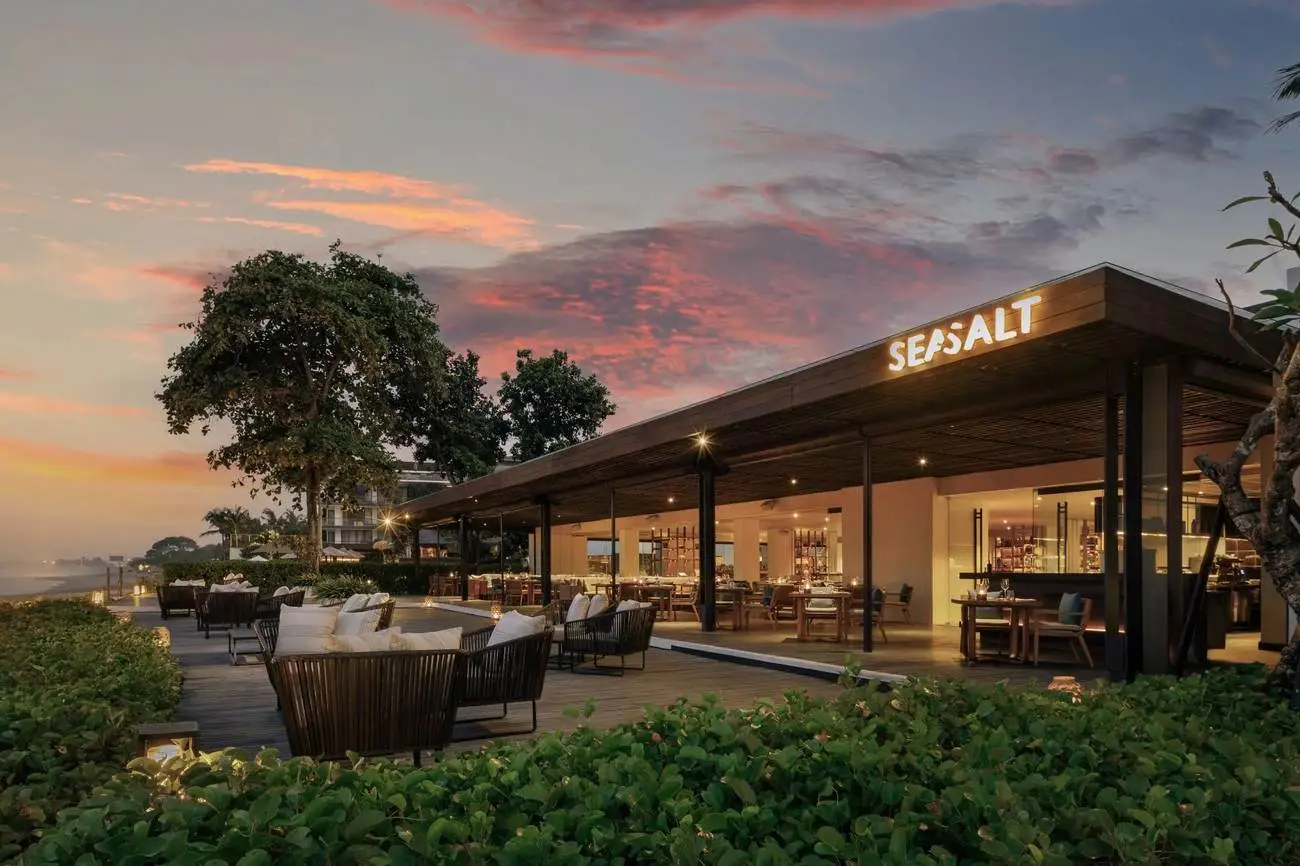
For a base in the south, Alila Seminyak at $250 is one of the better-value five-stars on that stretch of coast, and its beach restaurant is open to anyone.
And Alila Villas Uluwatu, at $850, for two nights, for the architecture. Go for the building and you will not be disappointed. Go for a week expecting a resort holiday and you will start noticing the paint.
The name, remember, means surprise. Given how the last twenty-five years have gone, that is either a lovely coincidence or the most accurate piece of branding in Indonesia.
Weighing up two hotels in the same group? That is exactly the question to send us before you book.
ASK BEFORE YOU BOOK →