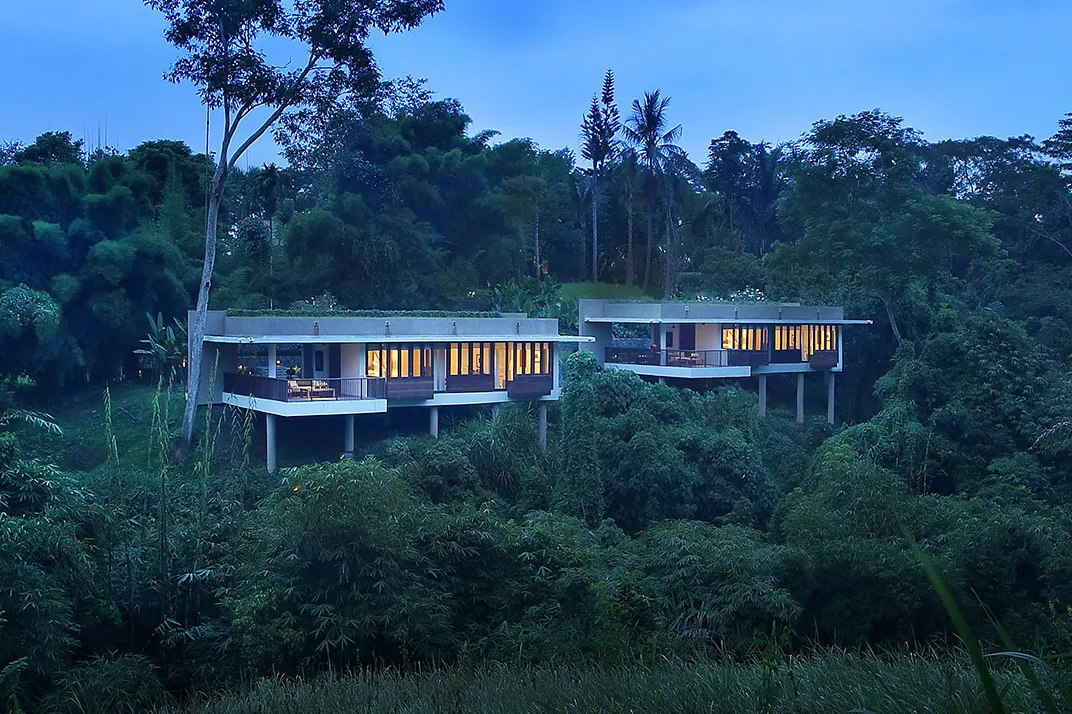
The first time I arrived, I went quiet in the car. The road leaves the village and winds on its own through rice fields and forest, and somewhere along it you feel that you're arriving at a place that isn't quite ordinary. I've driven up to a lot of hotels in my life, and that feeling is rare.
I love this building, and I wanted to love the hotel. That tension runs through my whole stay. I have a weakness for the old Aman hotels, and there's an Instagram account that posts nothing but faded photographs of them, plus sketches of hotels that were never built. Every now and then I scroll through it. Plain walls, local stone, a roof and a view. Nothing shouts at you and nothing dates.
Alila Ubud comes from that world. Kerry Hill designed it and it opened in 1996 as The Chedi Ubud, a sister of Amandari just down the valley. It became an Alila in 2002, which is a story of its own. Thirty years later it looks as if it has always stood here. The patina is real, and the jungle was never pushed back. It was simply invited in.
The staircase
Hill was born in Perth in 1943, the year his father was killed in the war. He moved to Singapore in 1979, and early in his career Adrian Zecha brought him to Bali, years before there was an Aman on the island. For forty years he drew the hotels the rest of us are still nostalgic about. He believed a building should work on all five senses and not only on the eyes. He died in 2018, and this hotel is still making his case for him.
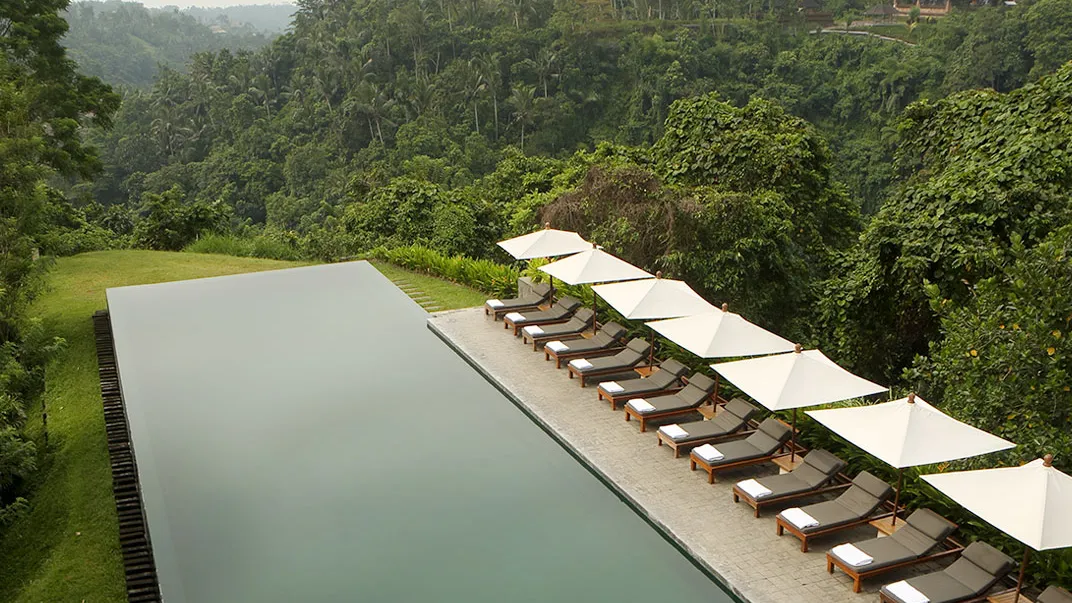
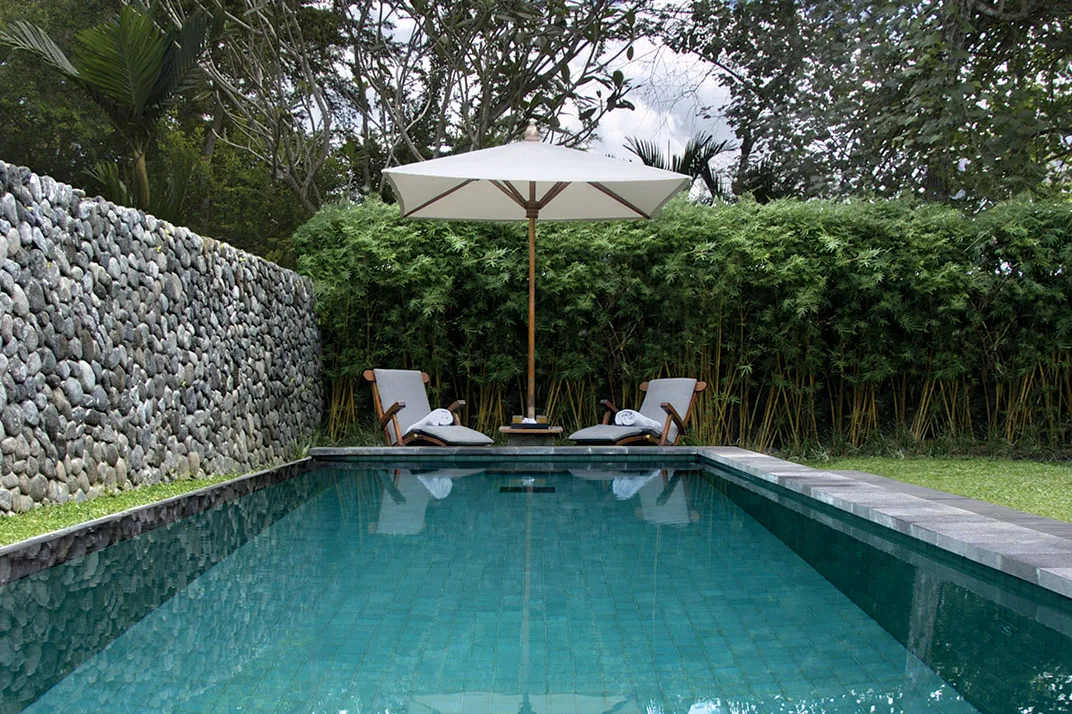
Everyone comes for the pool, and fair enough, because it's one of the most photographed in Bali. But go and stand at the top of the staircase first. Hill put the stairs and the restaurant above the pool, so from up there you look out over the roofs of the lower buildings. The pool stops being a pool and turns into a mirror floating in the jungle. Then walk down slowly. Every step pulls you a little further out of the hotel and into the valley. That staircase is not a way to get from A to B. It's the best piece of architecture on the property.
Look for the gardens as well. Hidden between the room blocks are small courtyards with a sculpture, a bench and somewhere to sit. Most guests walk straight past them, and that's a shame, because they're the quietest places in the resort.
The part that stings
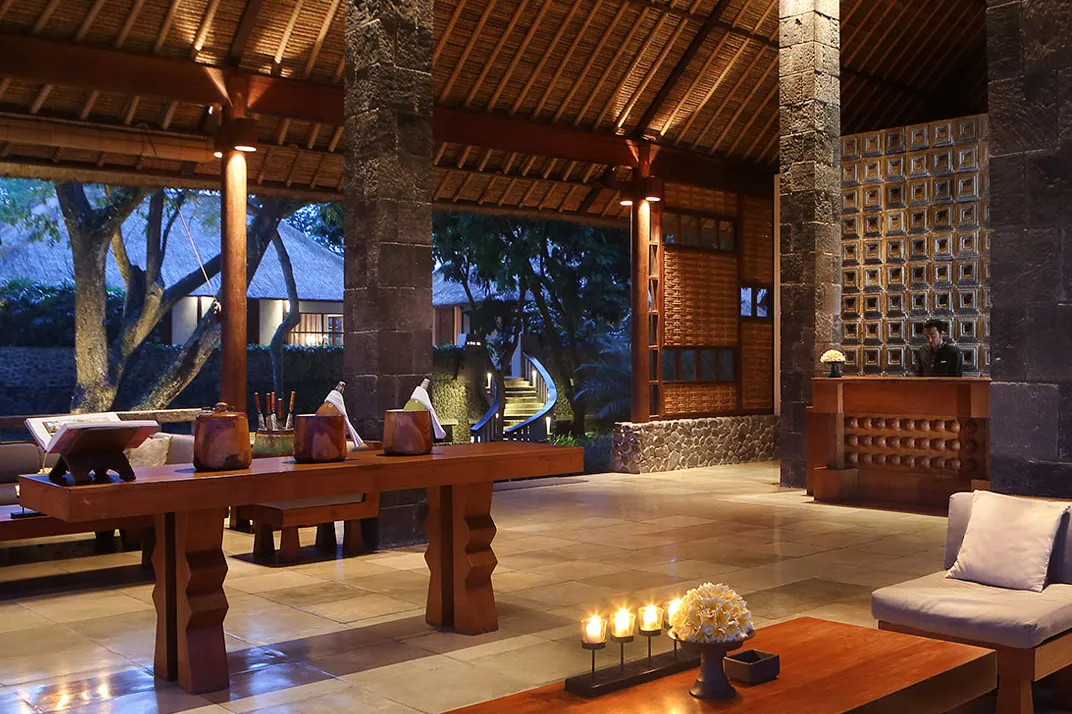
Now the honest part. As a hotel rather than a building, Alila Ubud is good but not great. From around $200 a night you're sleeping in a monument, so I won't be too hard on it. The service did let me down, though. Nothing went wrong and nobody was rude. It was just flat. At most hotels at this level you can feel people wanting your trip to be wonderful, and here it felt like a slow afternoon that never ended. I tried to get talking with the staff more than once, which is usually the easiest part of my job, and it never really happened.
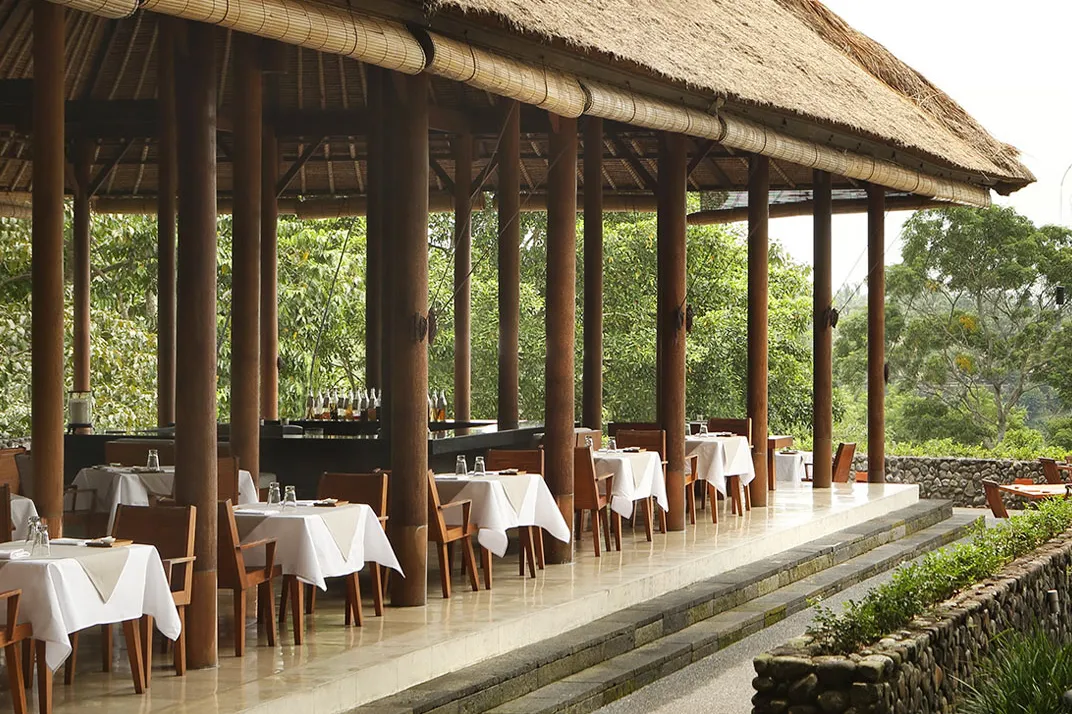
The food doesn't rescue it either. The hotel is out of the way with little to eat nearby, and dinner at the Plantation was uninspired. The rendang in particular was a letdown. Breakfast is better. There's no buffet and you simply order whatever you like from the menu. The afternoon tea by the pool is included every day and it's exactly what it should be.
Two Chedis
I kept thinking about Tanah Gajah, twenty minutes away. That was a Chedi too, and when it lost the name the people trained in that era stayed on. You feel the difference within the first hour. Alila Ubud wins on architecture and on views, and Tanah Gajah wins on almost everything else. Ubud ended up with two former Chedis. One kept the people and the other kept the building.
Hill designed for five senses, but there's a sixth that no architect can build. It's the feeling that someone has noticed you, and that one has to come from people. It's the one I kept looking for here and couldn't quite find.
The room is half the hotel
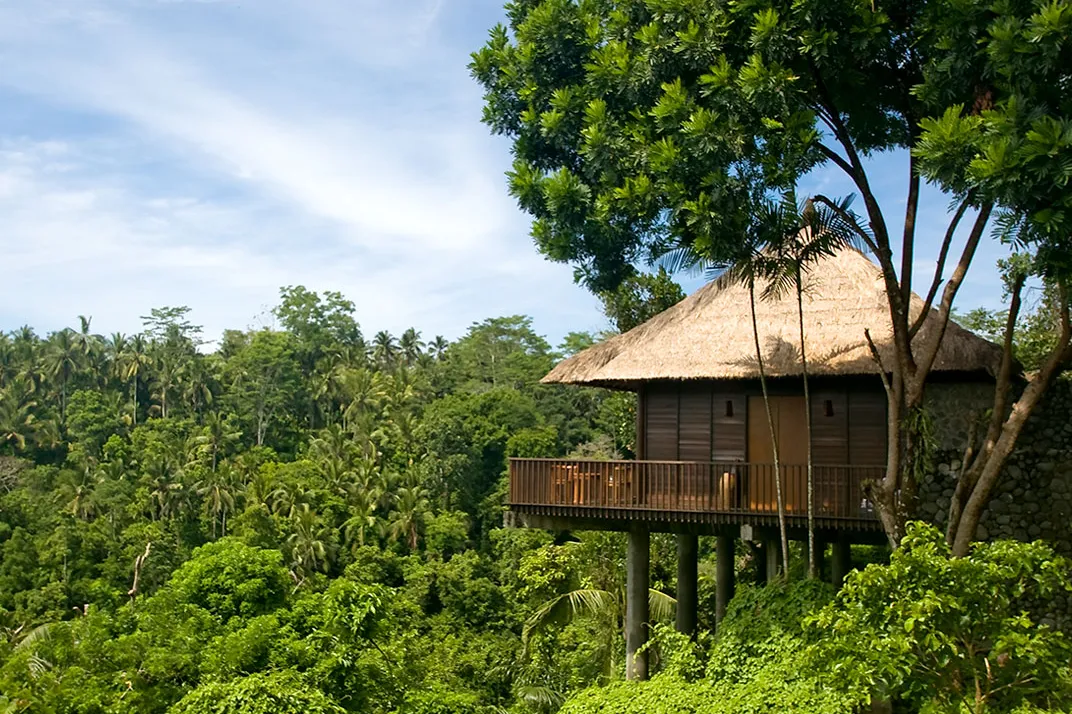
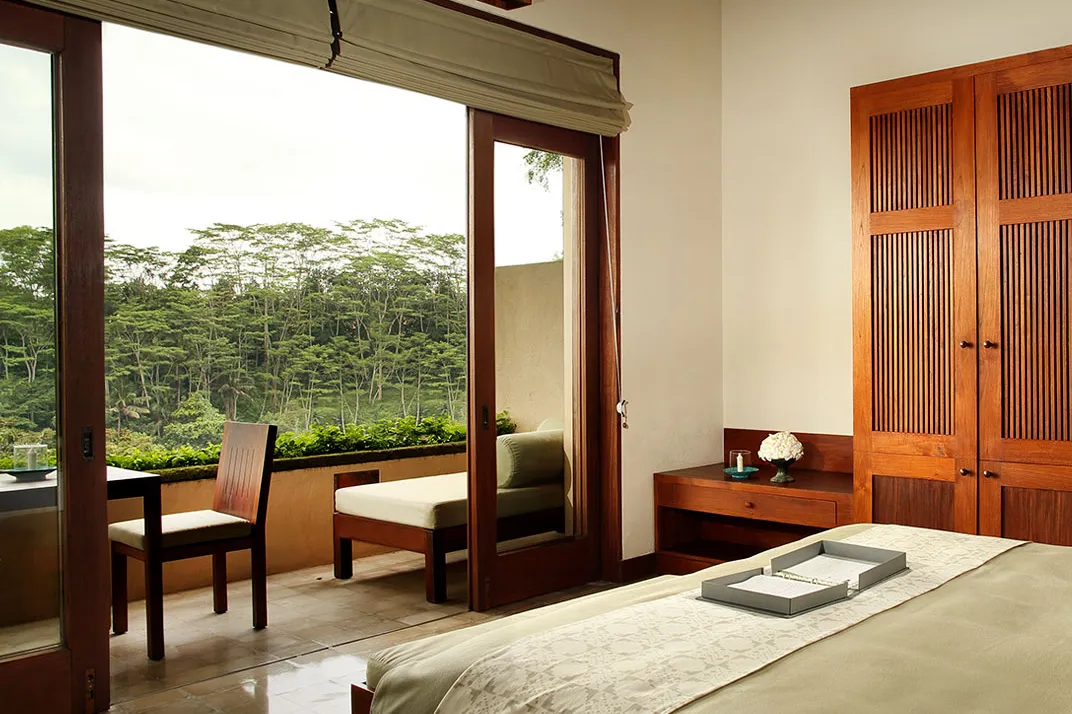
I stayed in a Valley Villa and I loved it. The layout is great, it feels warm and snug, and there's a daybed on the terrace where I spent hours I hadn't planned to spend, staring into the treetops. It feels as if the jungle is holding the villa up. At around $350 a night that's a fair price for a room that stops you in the doorway.
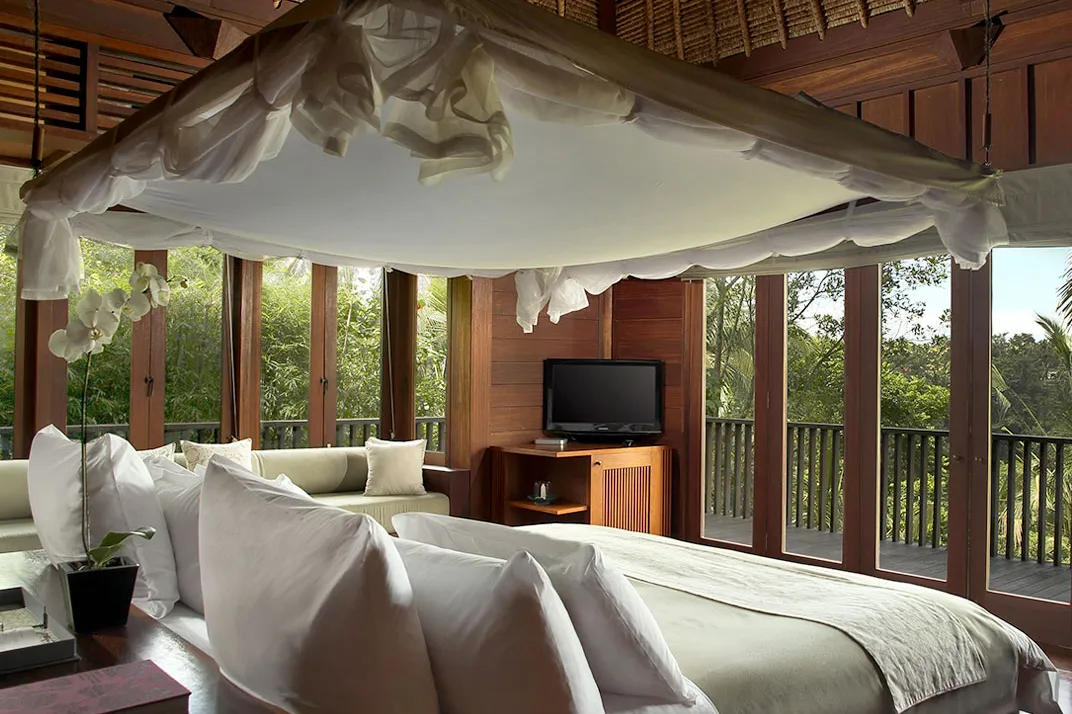
The pool villas are hit and miss. Some have a pool and a spectacular view, while others are walled in, and you didn't come all this way to look at a wall. Keep in mind that pools stay cool this high up in Ubud. The big infinity pool isn't heated either.
The frogs
One night the frogs outside our villa were so loud that sleep was out of the question, so we rang reception to ask if anything could be done. A man came over. He didn't try to catch them and he didn't try to shoo them away. He stood outside our room and told us exactly what kind of frogs they were and why they were making such a racket. We ended up talking for ages and went back to bed laughing, still awake but a bit wiser about the jungle.
Alila, by the way, means surprise in Sanskrit. For ten minutes at one in the morning, the sixth sense showed up after all.
How I'd book it
This is a magical hotel, but it comes with a manual. I'd use it as a base for exploring the island. Head out early with Wayan, before the heat and the traffic, and come back in the early afternoon tired and happy. Spend the rest of the day at the pool, on your own terrace or in one of those hidden corners, and have dinner somewhere good fifteen minutes away that was booked before you landed.
Do it that way and this hotel is wonderful. Hill built it for every sense, and all you need to bring is the plan.
Want the right villa, the dinners and the days planned around it? That’s exactly what to send us before you book.
ASK BEFORE YOU BOOK →