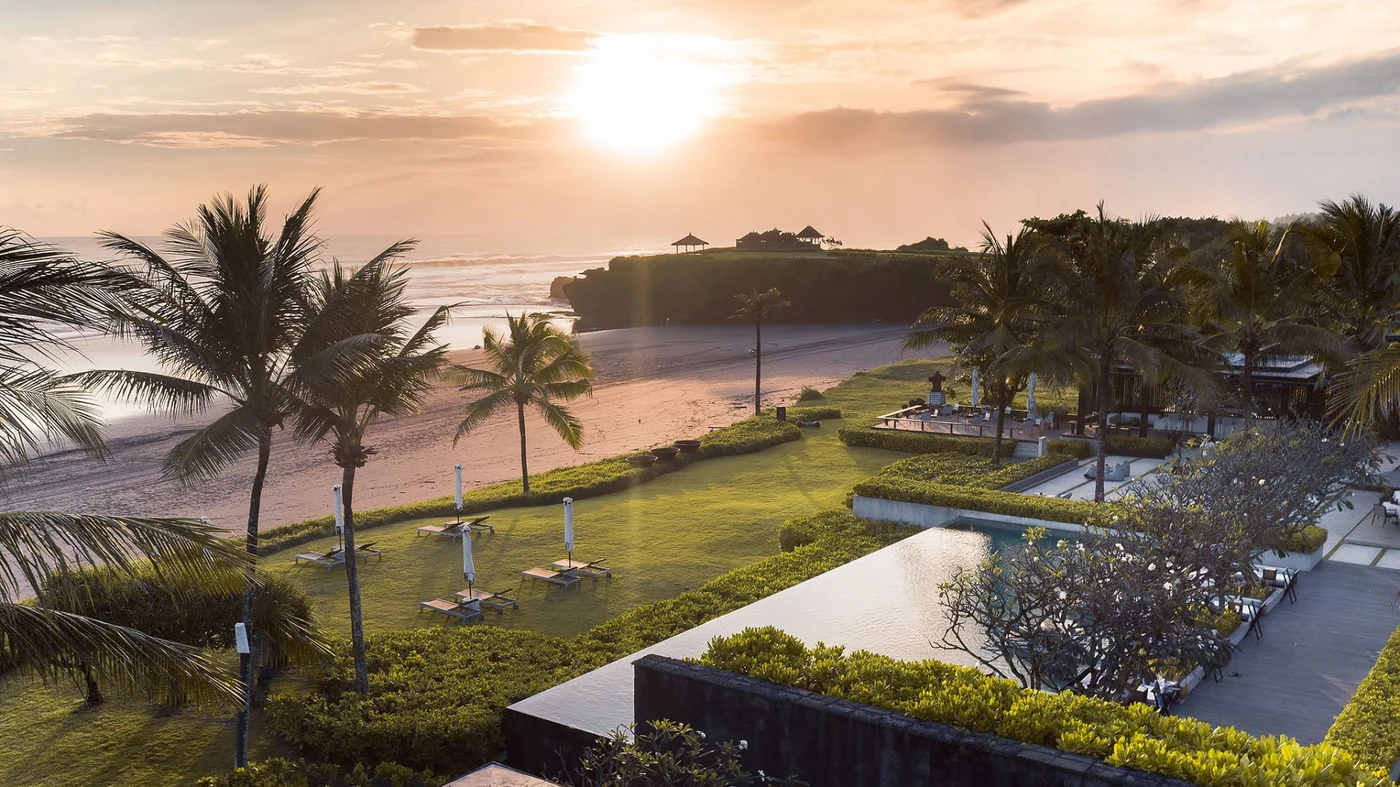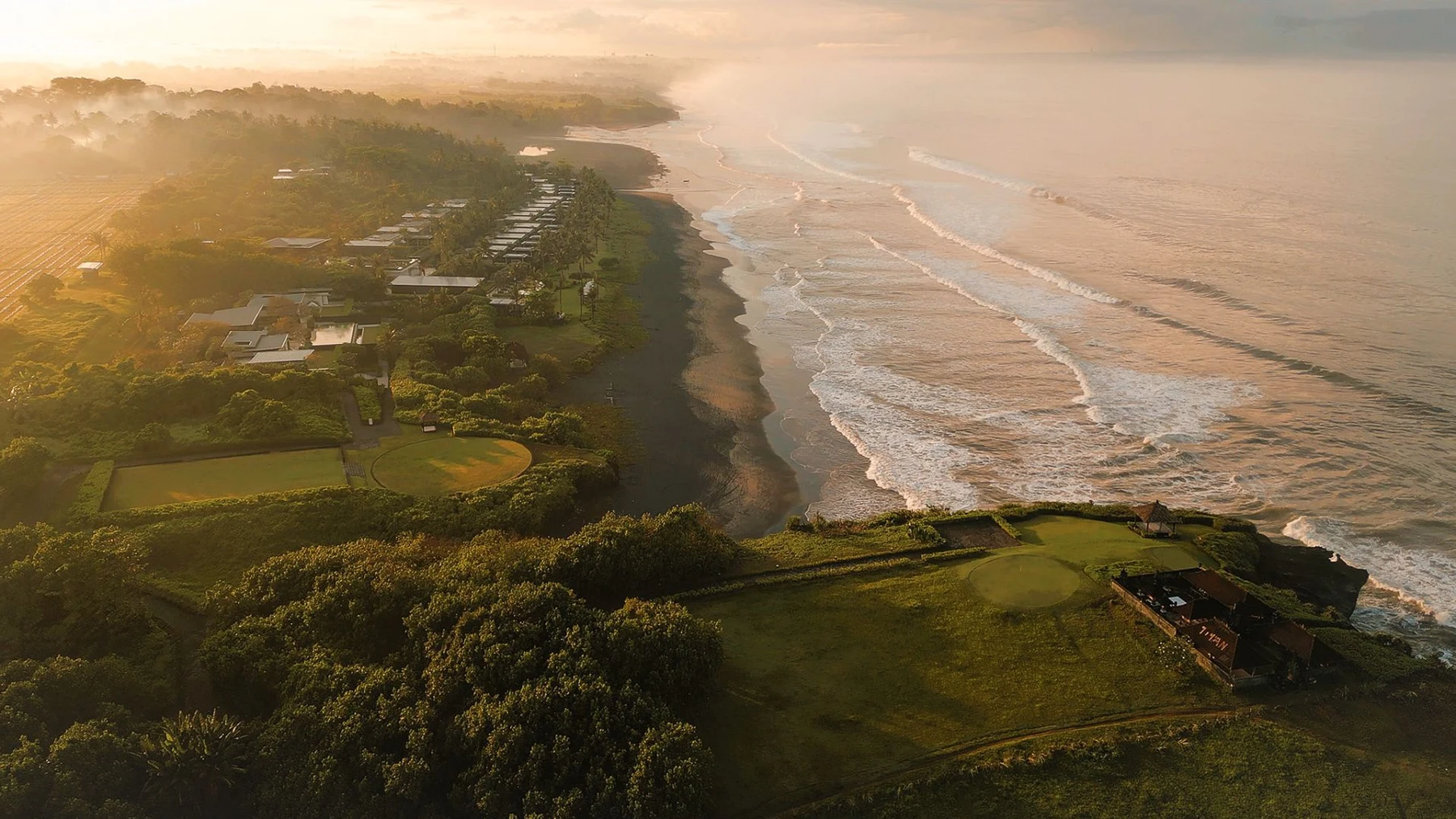
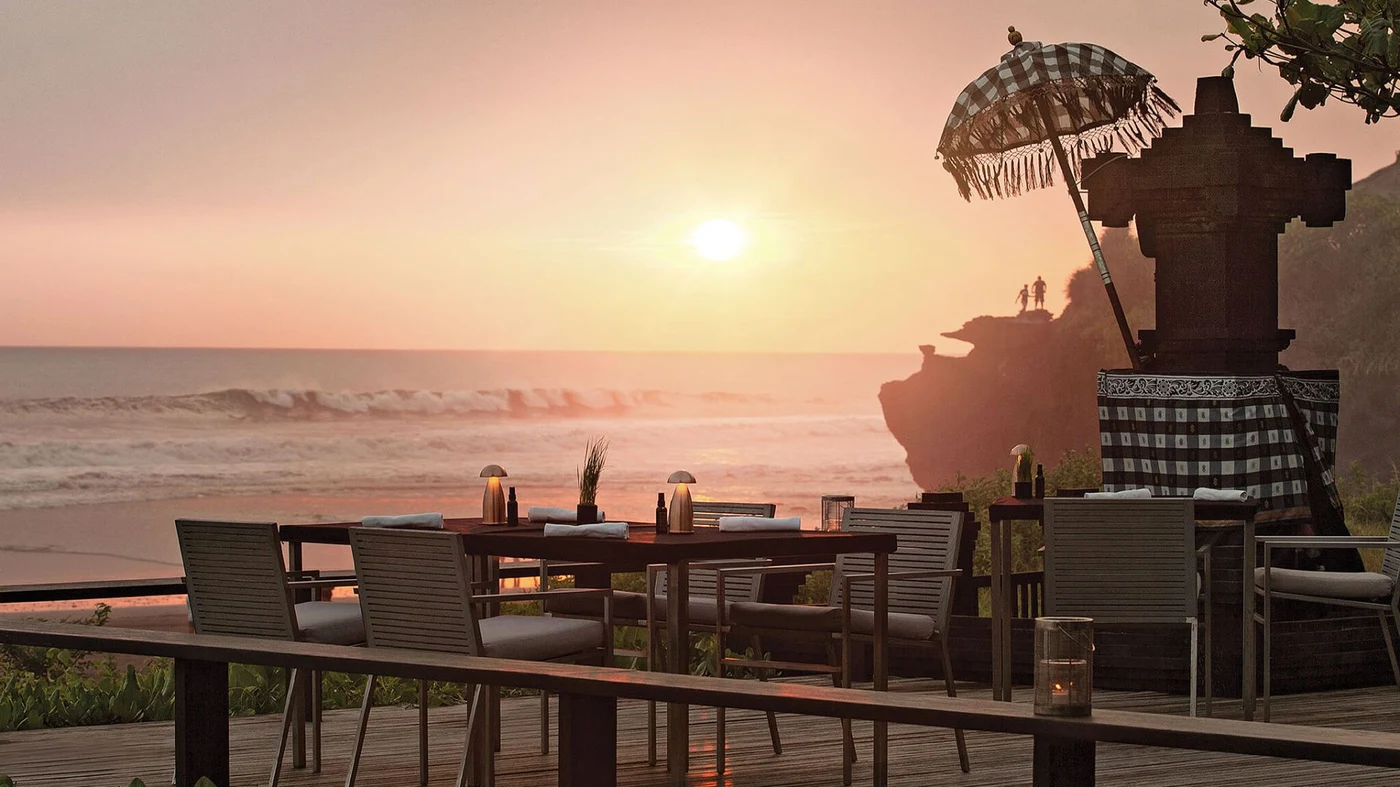
You can walk to breakfast along the beach if you want to. There's a perfectly good path, nobody suggests otherwise, but the resort is laid out so that you can take the long way round over black volcanic sand with the Indian Ocean on your left. After the first morning I never used the path again.
In the early hours the waves come in under a low mist, and against that black sand the whole thing turns dreamlike. I've been to some of the most spectacular beaches in the Maldives and by any conventional measure they win. This one is more interesting. It's rough, unpolished, full of rocks and stones, more a beach to look at than to lie on, and I never got tired of looking at it.
What you actually watch here
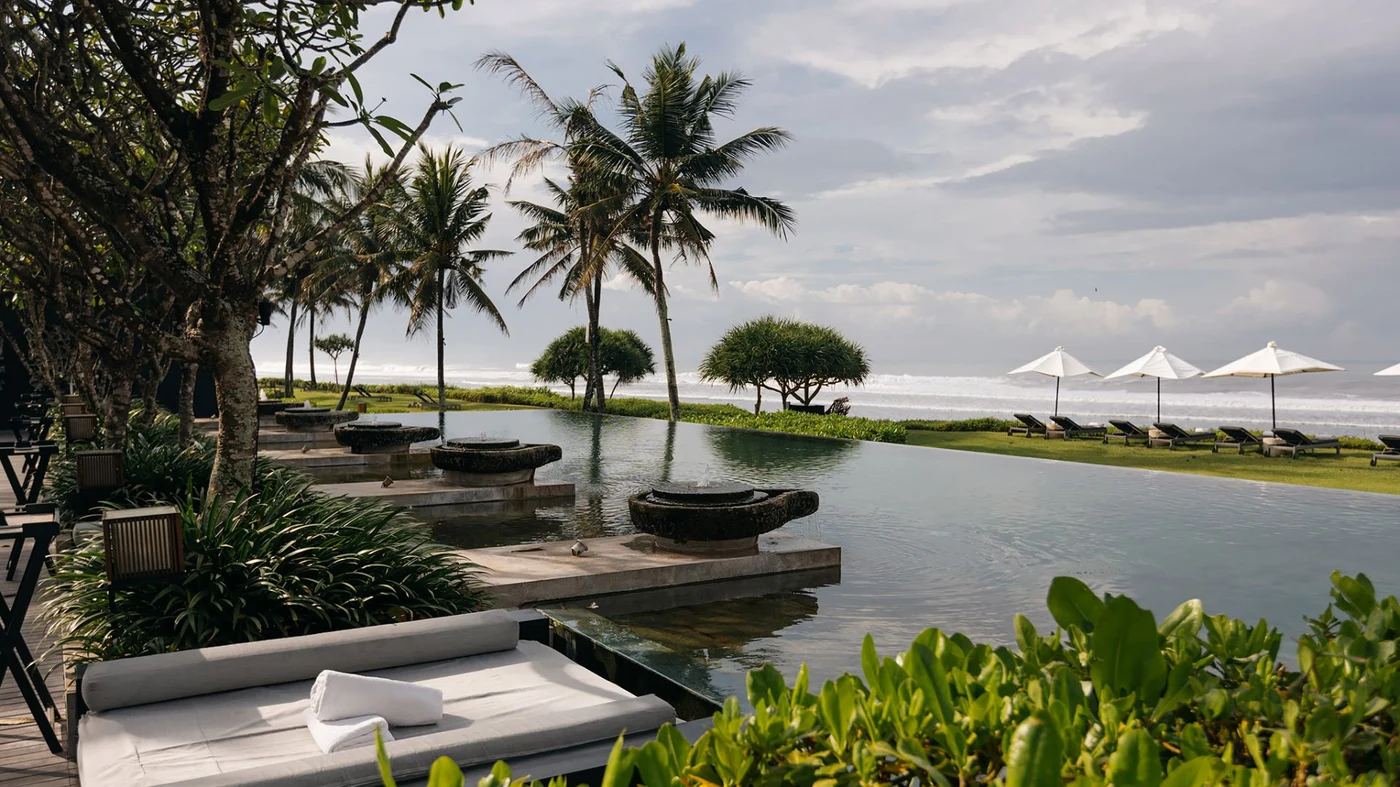
Most of my days went on a lounger by the lawn between the pools, and what made that worth doing wasn't the lounger.
It was the fishermen working their boats along the shoreline. It was the villagers walking past with offerings balanced on their heads, on their way up to the temple on the cliff. There was always something happening, none of it staged, none of it for me.
That is the whole argument for this hotel in one image, and it's the thing a design magazine can't tell you. Ten stone temples stand on this property, built at the recommendation of the elder of the neighbouring village. The ancestral pathways crossing this land were left exactly where they were and the resort was planned around them. Which means the people walking past your lounger with offerings on their heads are using routes that predate the building you're staying in, and nobody has moved them for your convenience.
The house that became a hotel
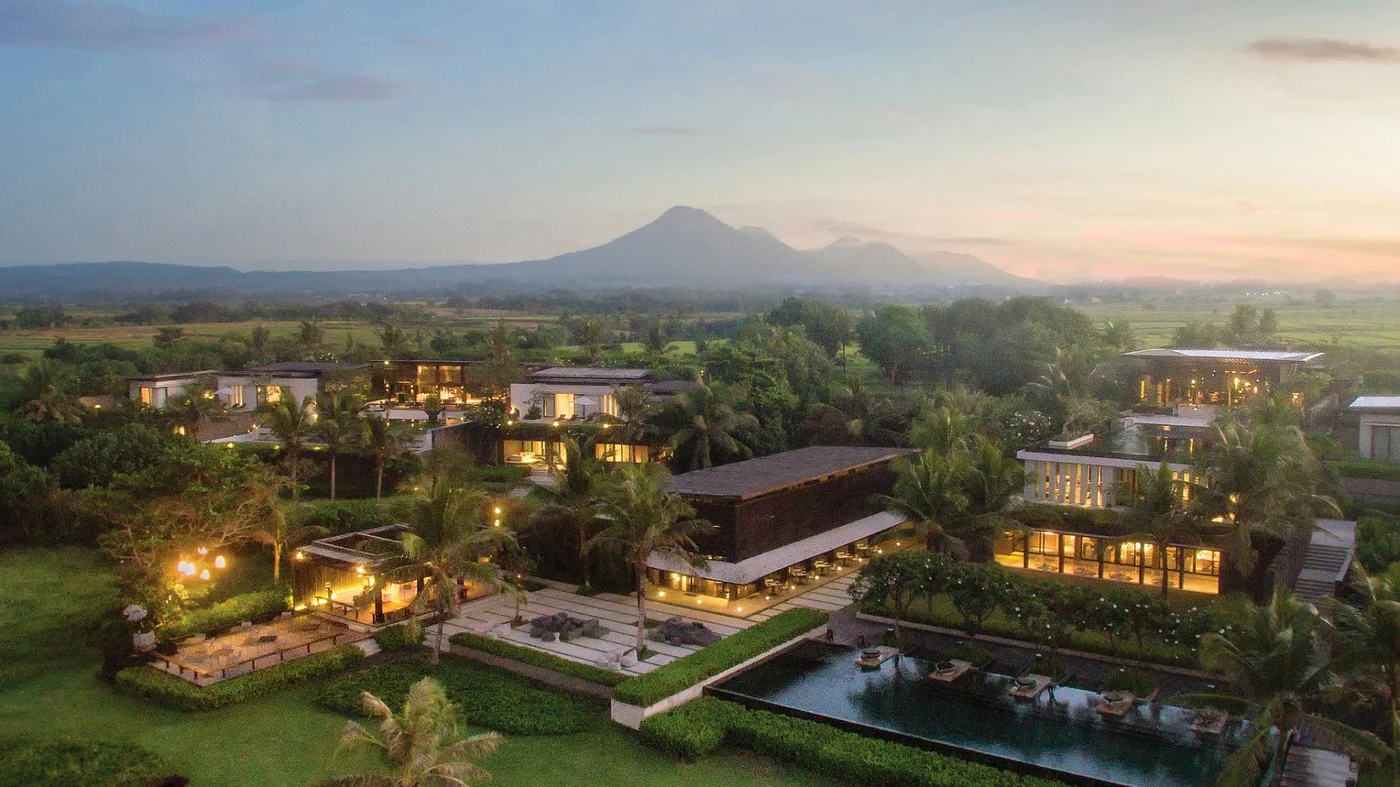
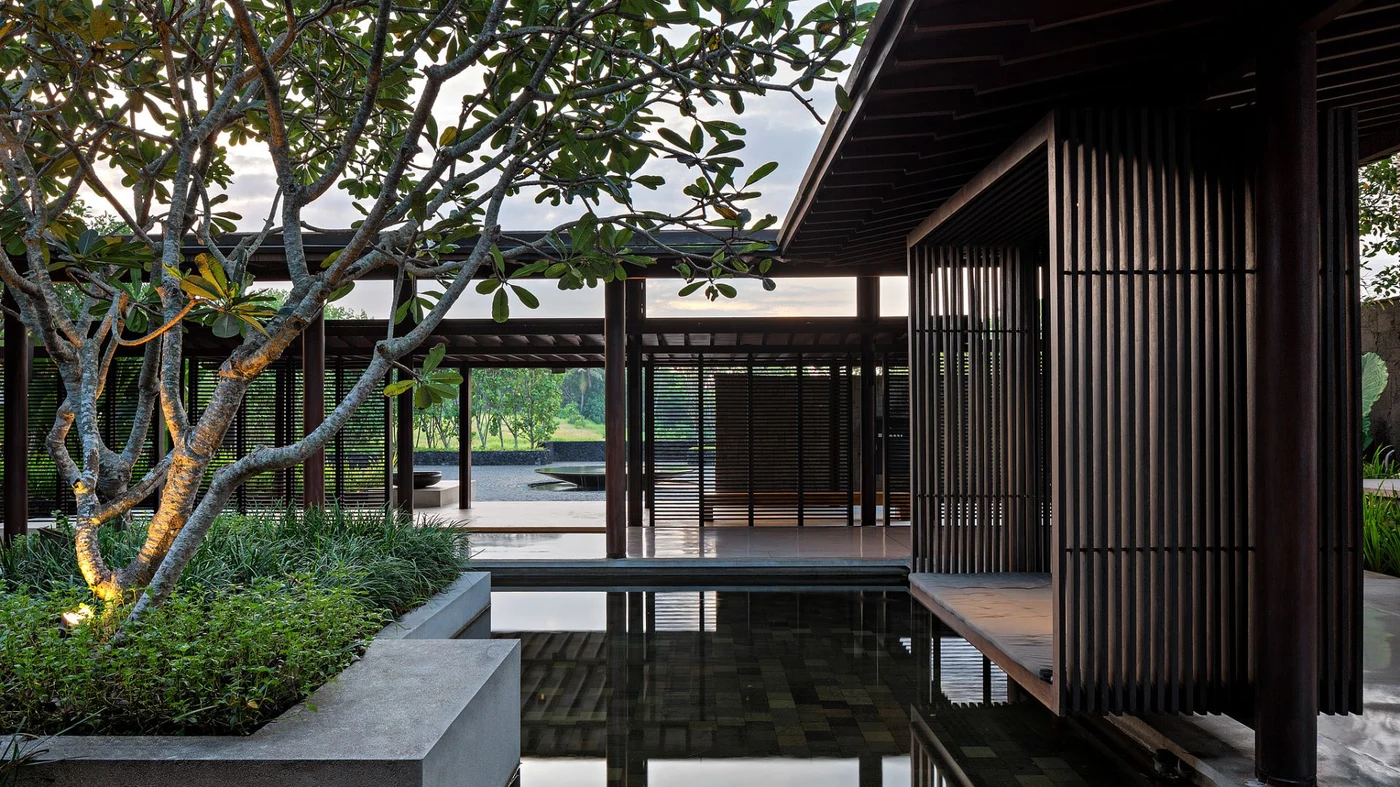
Soori has no standard hotel routing. There's no arrival hall funnelling you toward a desk, no spine corridor, none of the circulation grammar almost every hotel uses to move you through a day. You wander it the way you wander a house you happen to be staying in. I've had that sensation exactly once before in Bali, at Como Shambhala, where I also couldn't say what I was in if it wasn't a hotel.
There's a reason. This was Soo K. Chan's private villa before it was a resort. He founded SCDA Architects, designed the place, owns it, and still runs it with his wife Ling Fu. The name is a compound of Soo and Sri, her Indonesian name. He has said publicly that this is the one project where he made every decision himself, and that it is therefore the most honest thing he has built.
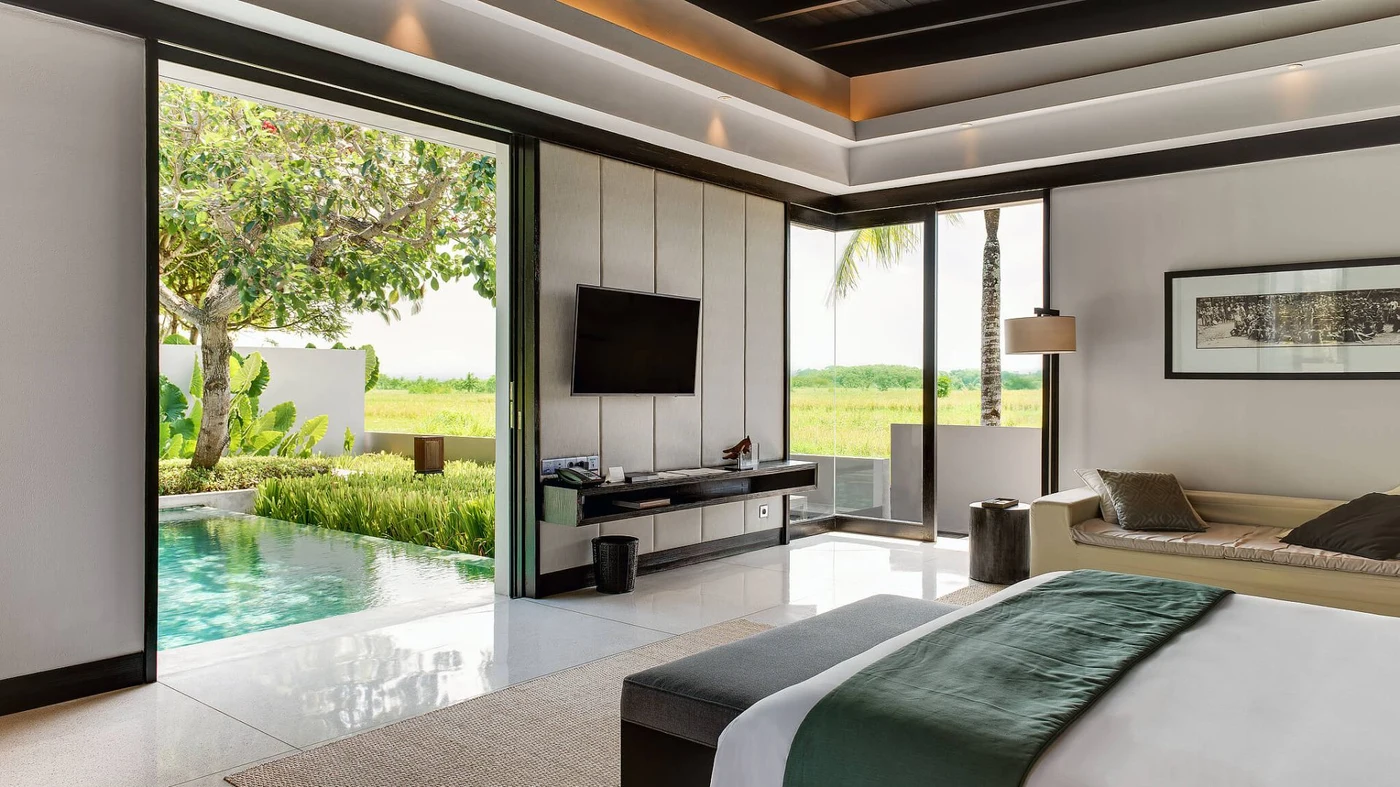
You feel that in the materials before you can name it. The walls are clad in paras kelating, a pale grey sandstone quarried by hand near the village the resort takes its name from. Elsewhere it's dark volcanic lava stone. The plunge pools are lined with Sukabumi stone, which is why the water reads green rather than swimming-pool blue. The buildings are terraced in the same stepped horizontal language as the rice fields behind them, so that from a distance they read as more terraces. And inside the villa the wall has essentially been dissolved into courtyards, water courts and timber screens, until outside stops being a view through glass and becomes part of the room you're standing in.
Every other hotel in Bali that gives me this sense of belonging to its ground is traditional. Amankila, Amandari, the Oberoi, Tanah Gajah. Soori is uncompromisingly modern and it produces the same effect, which by rights it shouldn't.
The week the world looked at it
In October 2018 the Kardashians came here for Kim's 38th birthday and took the Soori Estate, the ten-bedroom compound at the far end of the property. Five thousand square metres of beachfront, five pools, a helipad, the largest private residence on the island. For about a week Soori was the most looked-at hotel in Indonesia.
The press reported the rate at around forty thousand dollars a night. It's closer to ten. I know because I can see it in my booking system, and I mention it because the gap tells you how that week worked: a number got repeated until it felt true, attached to a place almost nobody writing about it had been to.
That's the part I find funny, and it isn't snobbery about the guest. It's that the photographs couldn't possibly show you what this place is. A camera can't hold a sequence. It flattens the passage that narrows and then opens into a nice wall, and it has nothing at all to say about a woman walking past with a basket on her head. So the hotel had its moment of global fame for the one quality it doesn't really possess, which is spectacle, and nothing about it changed afterwards.
A resort that refuses to fill your day
Almost every luxury resort answers the question of what you'll do today. There's a programme, an activity board, a reason to get up. Soori mostly declines to answer, and then has to be good enough that you don't mind.
It gets away with it because the property is full of places built for staying still. Hammocks in the garden with the beach in view. Cushions around the ponds. A villa garden inviting enough that leaving becomes an active decision. The Reading Room, one of those rooms where an hour disappears inside your own head.
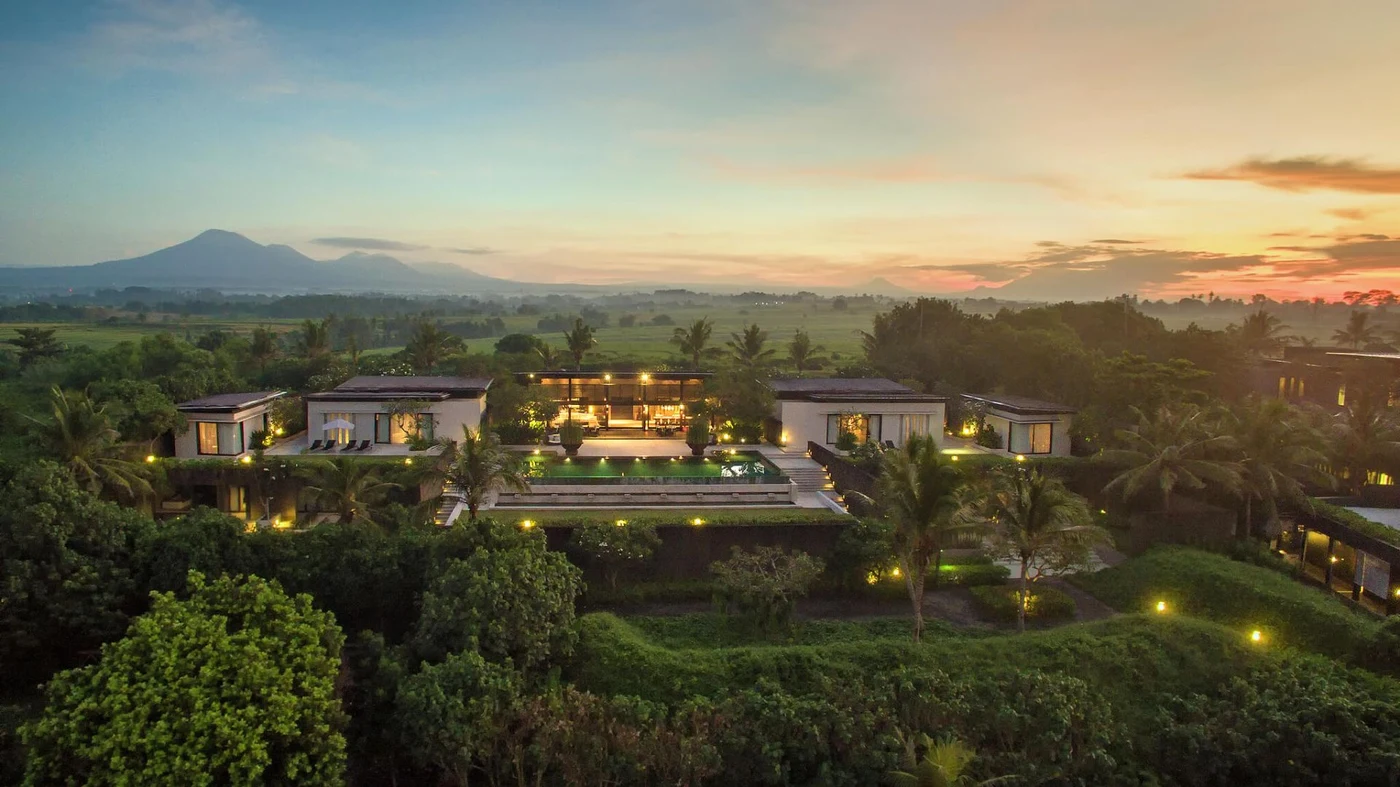
The one thing I'd tell anyone to actually do is the walk behind the resort's own rice fields. It doesn't feel like a tour, it feels like a field trip in the best sense, and you come away understanding how the irrigation genuinely works.
And then there are the substitutions. At the open-air cinema they don't hand you popcorn, they hand you jambu air: rose apple, small and bell-shaped and glossy pink, mostly water, with the crunch of an apple. Nobody would have complained about popcorn. Turndown brings something made by local artisans rather than a chocolate. In the late afternoon you might hear gamelan carrying across the property, played by children in a Soori Foundation programme from the village. At every point where the obvious answer would have been fine, somebody chose the local one instead.
Loneliness, sold deliberately
Wherever you go here, the space is usually empty. It can tip into feeling slightly lonely, and I don't think that's a flaw in a 48-villa resort. I think it's the product.
What keeps it from being oppressive is that you're being watched the whole time, discreetly, by staff who seem to know where you are without ever appearing to check. That ought to be uncomfortable and it isn't, because none of it feels rehearsed.
Remoteness transfers all the risk to the kitchen
Here's my real test for a resort this far from anything. There are almost no restaurants out here, so if the food disappoints you're stuck, and being stuck has quietly diminished some otherwise extraordinary stays for me. I'm looking at you, Aman. The further you are from an alternative, the more of the holiday rests on the kitchen, and the less forgivable an average dinner becomes.
Soori keeps that promise, and the small things stayed with me more than the big ones. They import a particular milk from Java for a local cheesemaker who turns it into a burrata so fresh it's almost disorienting. They take a traditional heritage Balinese pig breed and put French charcuterie technique through it. As a food obsessive I couldn't stop talking about either.
Where it doesn't work is the Balinese wine, which gets more attention on the list than it can carry. That one puts your feet back on the ground.
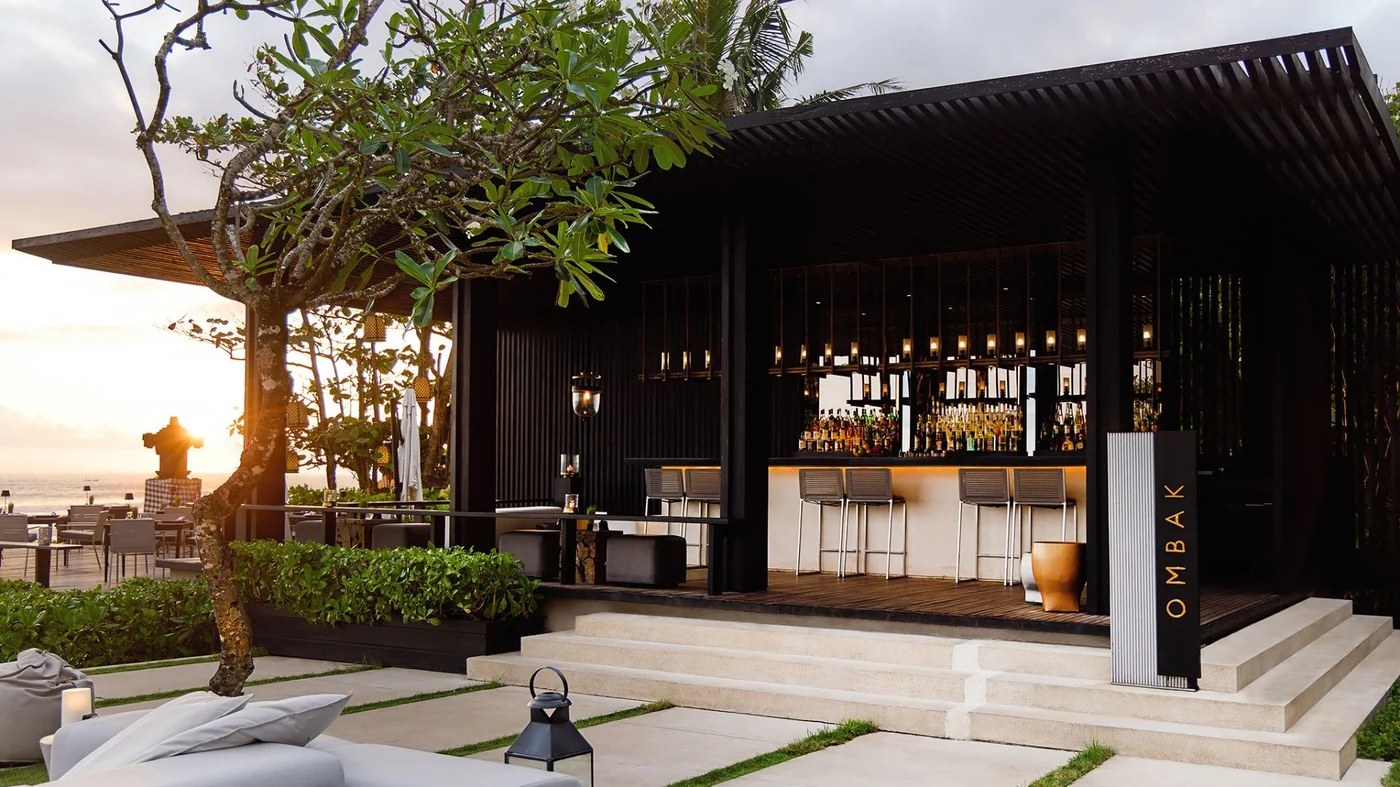
Breakfast sets the tone regardless: no buffet, small à la carte dishes cooked to order. Cotta and Ombak sit beside each other and read as two entirely different restaurants, one the casual all-day room, the other where you go out to dinner. From Cotta I still think about the chicken cooked slowly in volcanic sand, and the bebek betutu, which I usually find too dry and never order anywhere else.
The slippers
I came back from a walk on the beach one afternoon and went straight into the pool.
While I was swimming, someone took my slippers away, rinsed the black sand out of them, and set them down on a folded towel in the shade with the toes already pointing in the direction I'd be walking when I got out.
Nobody mentioned it. Nobody was standing there waiting to be thanked. I only noticed because I went looking for my shoes and found them somewhere better than where I'd left them.
That's the hotel. Not the helipad, not the estate, not the week in 2018 when the world looked at it and saw a swimming pool. A pair of slippers, turned to face the right way, by someone who assumed I'd rather not think about it.
Soori Bali is available through The Banjar Collective.
GET IN TOUCH TO PLAN A STAY →