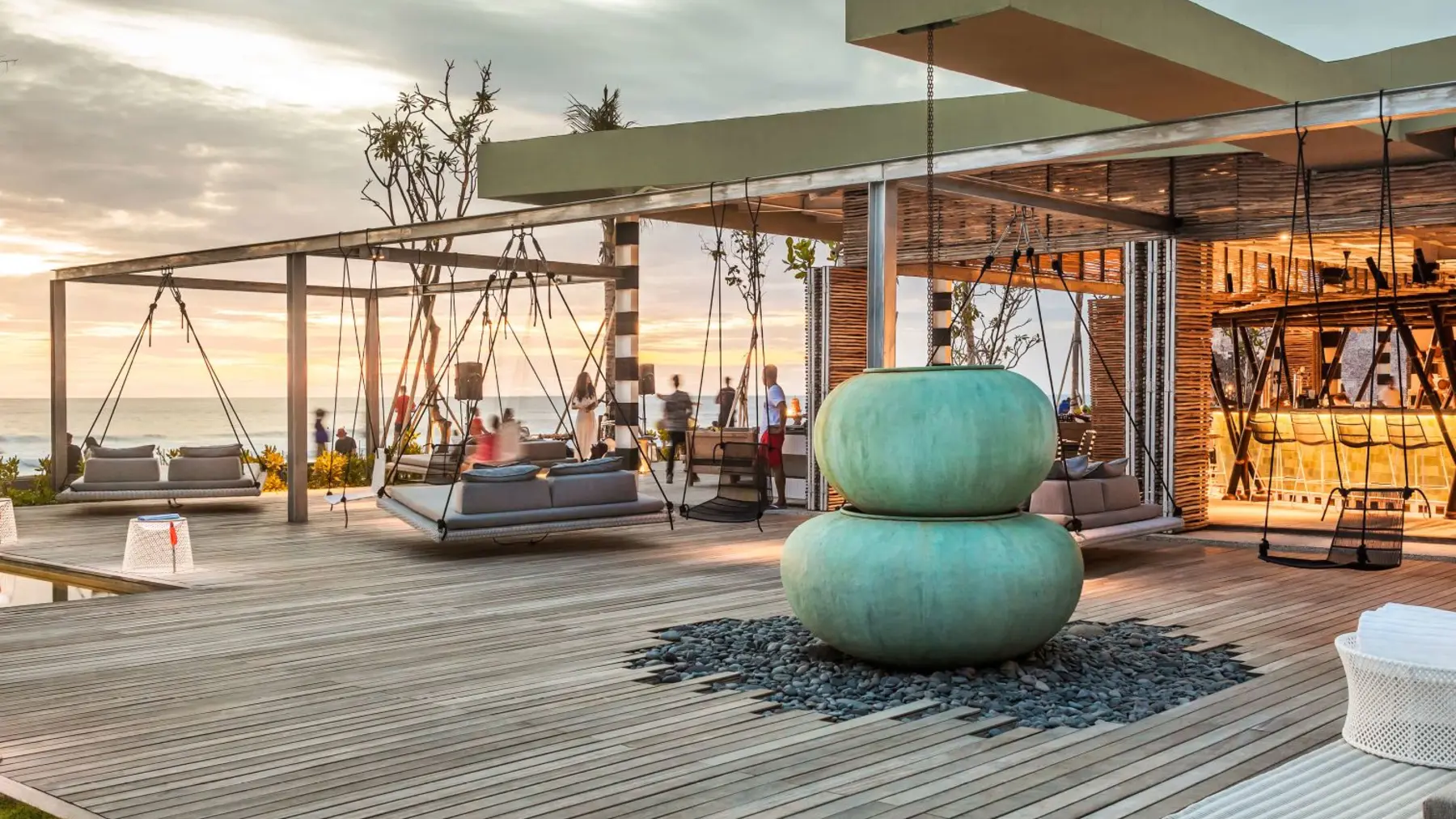
The verdict
The strangest thing about choosing a luxury hotel in Canggu is how little there is to choose from: two, really, and neither would win my heart anywhere else. My choice is Como Uma Canggu, from around $200: a strange resort, but a defensible one, where you eat well, sleep beautifully, and have a great beach and a superb location at a very fair price. Regent Bali Canggu, from around $600, is the only true luxury resort in the neighbourhood, with nine pools and huge suites, but at that price it doesn't yet deliver enough, and it's not a hotel I'd send clients to. If you want space and polish, Bali has better hotels of that kind elsewhere. And ask yourself first whether you want a hotel in Canggu at all.
The most interesting thing about this comparison is what's missing. On almost any other stretch of Bali's coast, choosing a luxury hotel means weighing up four, six or ten of them. In Canggu, the fastest-growing part of the island, there are essentially two. Leave the location aside, and I'm not wildly enthusiastic about either. But you don't come to Canggu for the hotel, and that, it turns out, is the whole story.
I spent fifteen years as a restaurant critic, travelling the world for the best restaurants, the newest food trends and anything else worth tasting. Bali has an absurd number of luxury hotels and restaurants, but to my taste much of it is still a little well-behaved. I love disrupters, the people who turn my assumptions upside down, and in this corner of the island I found them. I've discovered coffee bars in Canggu where the coffee is made more seriously than in New York or London, and the same restless ingenuity runs through countless tiny bakeries, culinary fast-food concepts and genuinely interesting restaurants. Everything changes so fast that what's open now may be a different concept in a few weeks. I come to Canggu to discover, and to keep up. You can feel the raw energy of a place where anything is possible, and it's the reason this neighbourhood matters, far more than either of its hotels.
At a glance
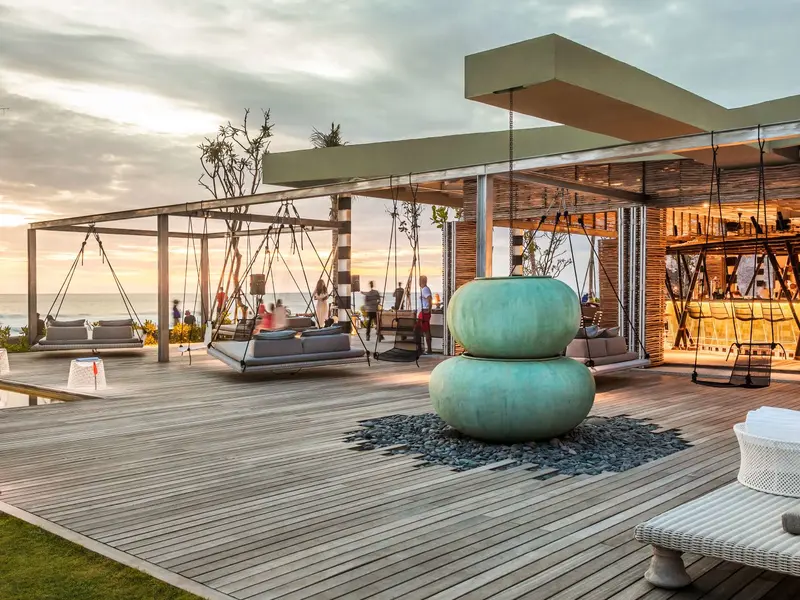
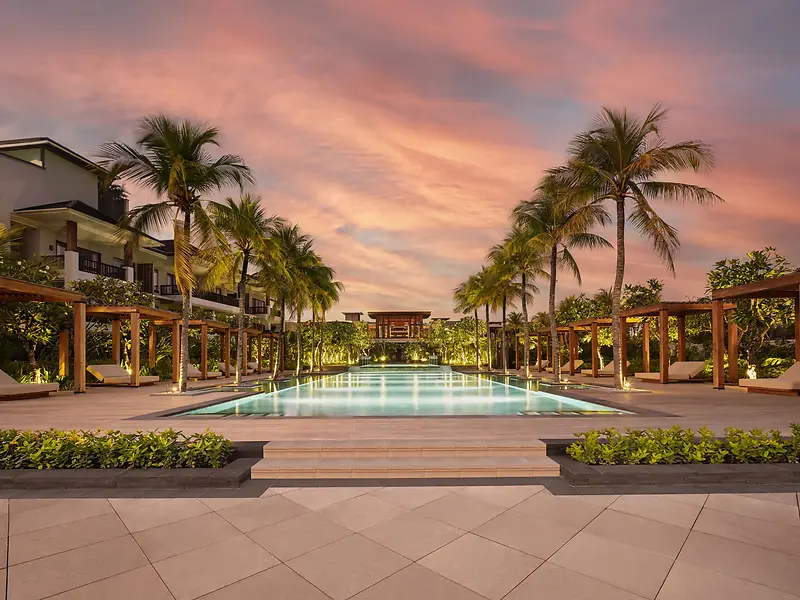
| Como Uma Canggu | Regent | |
|---|---|---|
| Where | Batu Bolong beachfront | Batu Bolong beachfront, six hectares |
| From the airport | 50 to 90 min | 50 to 90 min |
| Entry room, per night | From around $200 | From around $600 |
| Rooms | Smaller, better finished | Suites from 76 m², teak bathtubs |
| Pools | 115-metre lagoon pool | Nine pools |
| Eating | COMO Beach Club | Beach House, Sazón; books Canggu tables |
| Best for | Finish, beach club, value | Space, pools, IHG points |
| My choice | Yes | Not at this price |
Neither is on The Bali 20. Rates are for the entry category at the time of writing, September 2026, and move with the season.
Why does Canggu have so few luxury hotels?
Because the people who come here don't need one. Canggu runs on villas. Rent one, and you get a private pool and a kitchen, a front door onto the rice fields or a quiet lane, and none of the formality of a hotel. The typical Canggu guest has different priorities entirely. They chill in their own villa by their own plunge pool, work on a laptop in a matcha café, go to the gym every morning, eat out every night in one of the island's liveliest restaurant scenes, and surf, or at least talk about surfing. A hotel doesn't really feature. I sometimes wonder whether a proper hotel culture can take root here at all.
I say that with some regret, because I'm not a villa person. I've tried, more than once. But I love the buzz of a hotel: the sense of other people around you, a bar that fills up at sunset, a team that knows your name, the small theatre of arriving and being looked after. That's exactly what Canggu mostly lacks, and it's why I find the absence of good hotels here genuinely a shame.

If that sounds like you, a villa may genuinely be the better choice, and there's no shame in saying so. But if you want someone else to handle the details, a beach on your doorstep, breakfast you didn't make and a team that books your restaurants, these are the only two hotels at this level. They've answered Canggu's question in opposite ways.
The realist and the idealist
Como read the market. Regent tried to change it. Como looked at Canggu and built what the neighbourhood actually wanted: not a grand resort, but a beach club with rooms attached. It doesn't pretend to be a hideaway. It's the door into Canggu, with a very good bed behind it. In a town that doesn't much care for hotels, that may have been the most realistic decision anyone made here.
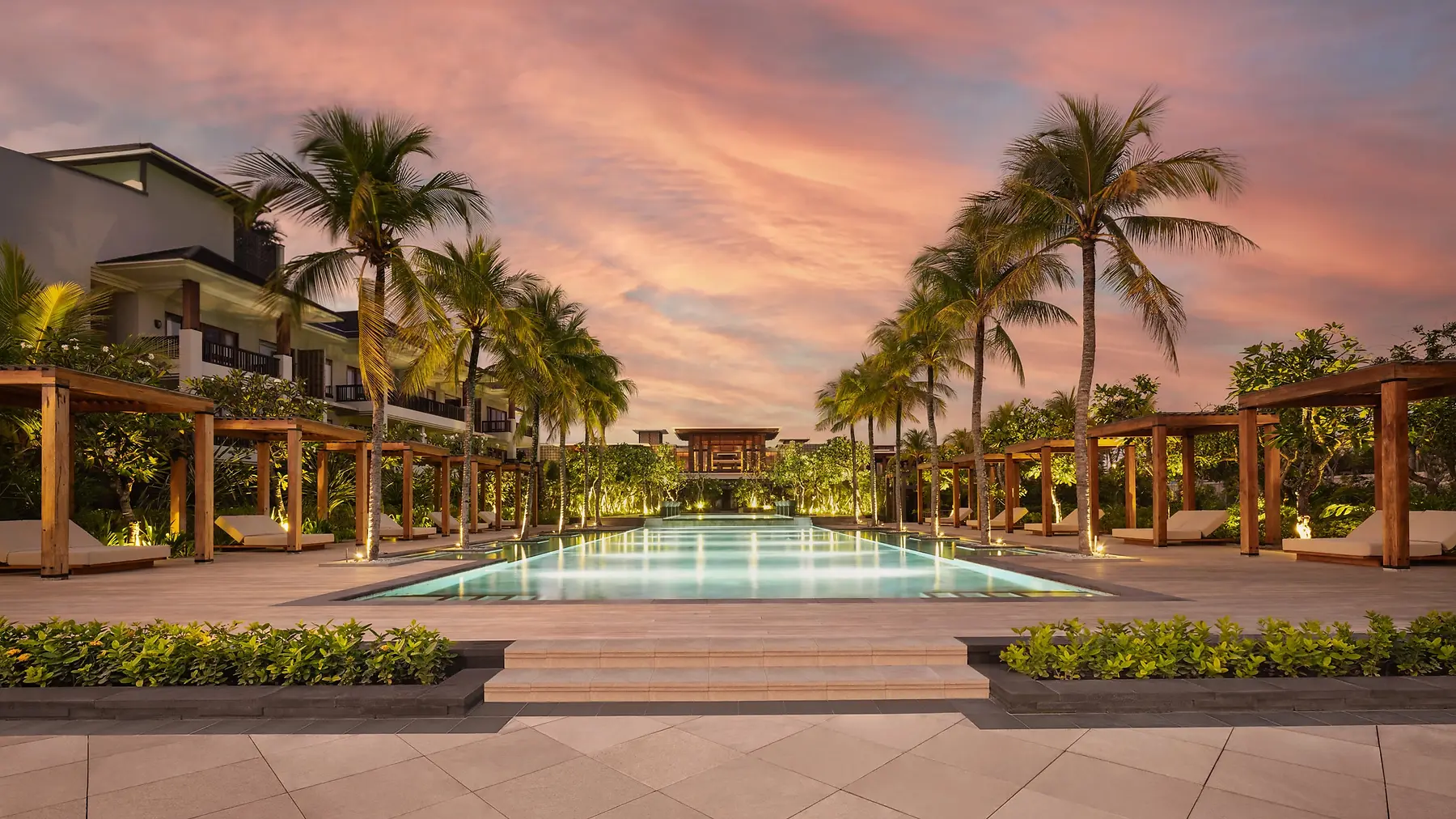
Regent is the idealist. Its owners took six hectares of prime beachfront at Batu Bolong and spent years and a fortune on it: architecture by WATG, interiors by HBA, gardens by an award-winning landscape architect, a Michelin-starred chef, nine pools and 150 suites and villas. A public road runs through the site, and they raised it to make the resort work. It took so long that people were tracking its progress online years before it opened. Then, at the moment they wanted to cash in on all that effort, the soft launch asked well over a thousand dollars a night for an entry suite in a hotel that was plainly not finished, and nobody was interested. Regent has had to reinvent itself since, and it's improving: the management is tighter and the restaurants are better than they were. Prices have come down a long way from that opening, but not yet far enough. Money buys almost everything except time, and Regent is still buying it.
Which rooms are better?
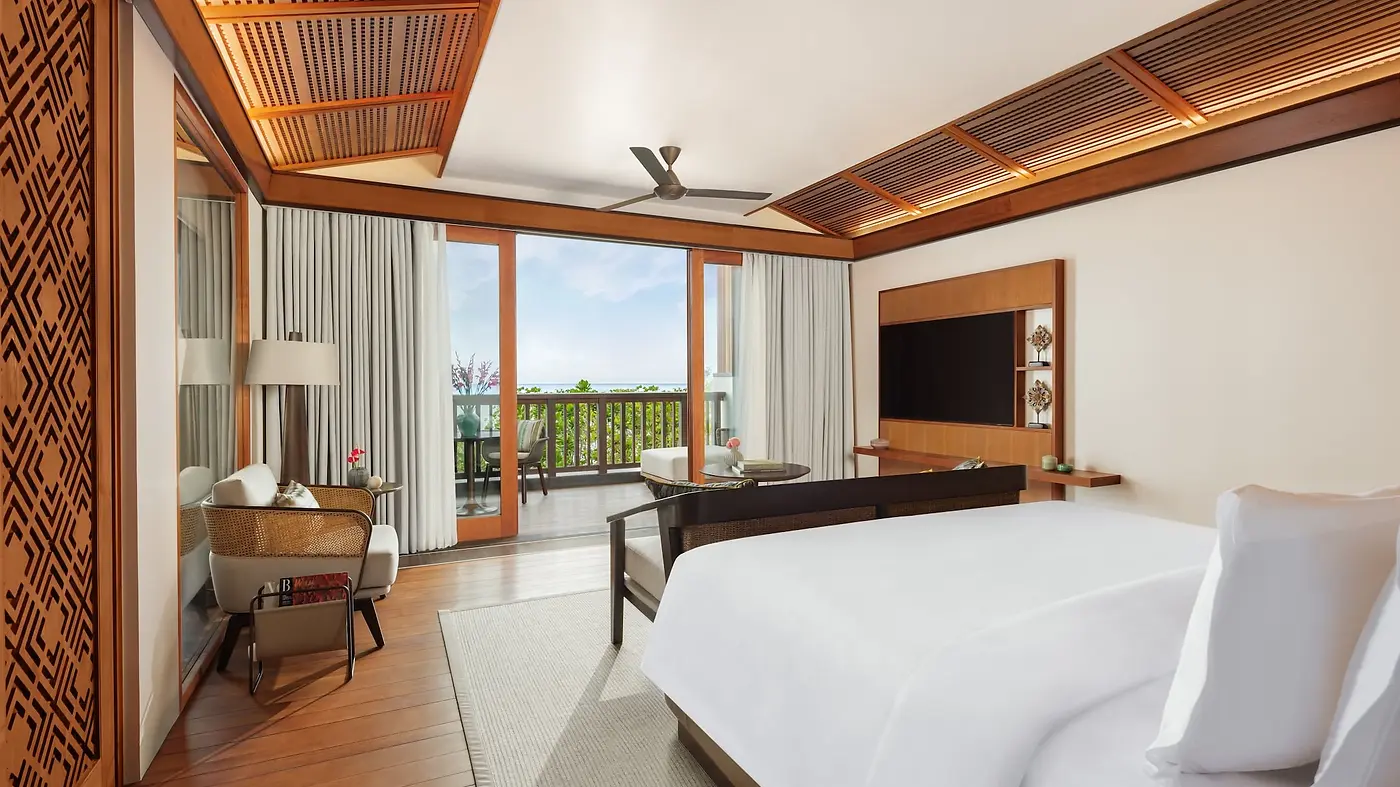
Como's, on finish. Regent's, on size. Regent's Studio Suites start at around 76 square metres, with hand-carved teak bathtubs: enormous by Canggu standards, well designed and very pleasant, but a nice room rather than a luxurious one. Como's rooms are about half that size and feel considerably more expensive, with better upholstery, a superior bed and better linen, and the COMO Shambhala scent on the sheets. Space is the one thing a six-hectare site was always going to offer. Finish is what separates good from luxury, and there Como wins.
Where will you eat?
Mostly outside either hotel, and that's fine. Canggu's own restaurants are better than most hotel kitchens anywhere, so what matters is how well each hotel connects you to them. Here Regent does something brilliantly: the best restaurants in town are heavily hyped and hard to get into, and its guest relations team has built real relationships around the neighbourhood and will get you a table without being asked. In this particular town, that's worth a great deal. Inside the hotel, the food is honest rather than exciting, though it has visibly improved, and Sazón's chef's counter has given it some life. Como's beach club kitchen holds to the same COMO Shambhala standard as its Ubud sisters, which is no small thing in a place where most people eat in their swimwear.
Pools, beach clubs and the crowd
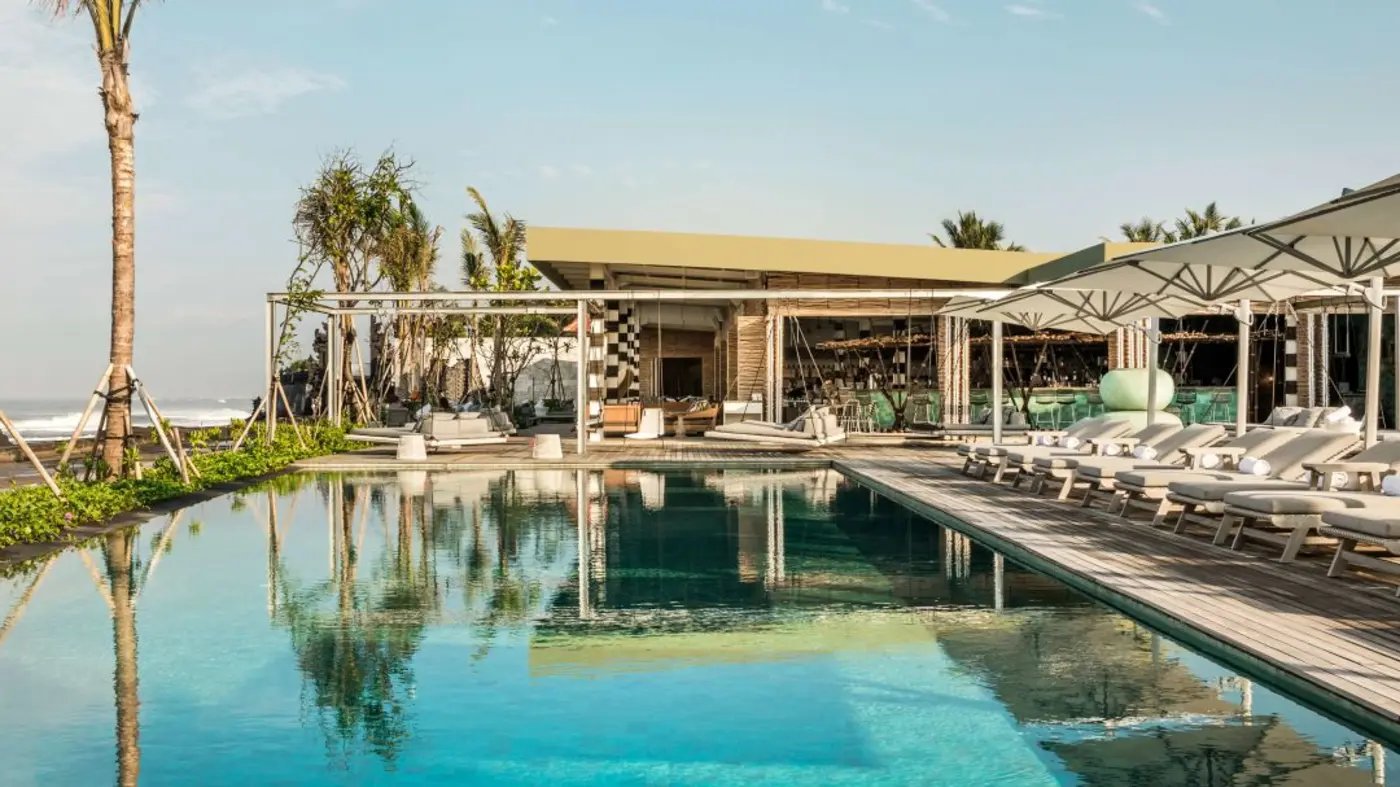
Regent has more to swim in. Como has more personality. Regent's nine pools are the best thing about it by a distance, laid out with real care, and Beach House, its beachfront restaurant and pool, is the most sociable corner of the property. Como's 115-metre lagoon pool is handsome but quiet, because everyone is at the beach club, which is the best-run part of the hotel: the food, the music and the layout are all thoroughly thought through. Both let outsiders in, so neither is the private resort its brochure photography suggests. In Canggu, that's rather the point. The town comes to the hotel, whether you invited it or not.
Which is the best value?
Como Uma Canggu, and it isn't close. From around $200 a night, you get a room that feels more expensive than it is, the best beach club in town and a superb location. Regent starts from around $600, and that's where the problem lies. At that price everything has to be exceptional, and too much of it is merely good. The risk is too great for me to send anyone there: if you want that kind of experience, space, polish and a big resort, other hotels on this island do it better, and several of them cost less. The one exception is if you have IHG points to spend; then it's an affordable way to use them.
Regent or Como?
Como, without much hesitation. It's a strange resort, a beach club with rooms, but it's simple and defensible: you eat well, you sleep beautifully, the beach and the location are superb, and the price is fair. Regent is the question I can't yet answer. I understand what it's trying to be, but I don't yet understand who it's for. The traveller who wants a grand resort goes elsewhere on the island, and the traveller who wants Canggu rents a villa. Regent sits in between, waiting for a guest who hasn't quite arrived.
The full reviews are here: Como Uma Canggu and Regent Bali Canggu. For Como's two Ubud hotels, see Como in Bali compared.
In Canggu, the best thing about your hotel is what's outside it: the coffee bars, the bakeries, the restaurants you can't get into, and the beach at sunset. Choose the one that gets you there most easily, and then go and find the Canggu that doesn't need a hotel at all.
We can book both at the hotels' own rates, with the benefits attached.
PLAN A CANGGU STAY →