The verdict
There is not a single Michelin star on this island, and that has nothing to do with how anybody here cooks. Without a scoreboard a resort kitchen has no external reason to be brave, which is why the most interesting cooking in Bali is mostly outside hotels rather than in them. These ten are the exceptions. Rumari at Raffles is the best of them and the clearest proof of what an owner can buy with nerve. Il Ristorante at Bvlgari is the most exact. Kayuputi at the St. Regis has the best wine list in Bali. All ten will feed you if you are sleeping somewhere else.
There is not a single Michelin star on this island. Not one, there never has been, and it has nothing to do with how anybody here cooks.
Michelin publishes a hotel guide for Indonesia and handed out thirty Keys in Bali this month. It has never published a restaurant guide for this country. The reason is not culinary, it is commercial, because in Asia these guides are largely bought. The Tourism Authority of Thailand paid Michelin around $4.4 million over five years to bring the guide to Bangkok, then renewed at roughly $800,000 a year. South Korea's tourism board paid about $1.8 million for Seoul. Kuala Lumpur was funded by a venture capital firm. Florida paid up to $1.5 million, Tel Aviv $1.6 million.
So the absence of stars in Indonesia is not a verdict. It is an unpaid invoice. And the shape of Michelin's presence here tells you the rest: the hotel side of the guide runs on a booking platform that earns commission, so the hotels get inspected. The restaurants, which would cost somebody money rather than make it, do not.
Work is being done behind the scenes to change that, and I would be surprised if it takes many more years, because Bali is now too important to the Asian hotel and restaurant economy to leave off the map. The morning after it happens, fifteen hotel kitchens on this island will wake up different.
Why that matters more here than it sounds
Without a scoreboard, a resort restaurant has no external reason to be brave, and every internal reason not to be. Think about who walks in. A honeymoon couple, a family of five, a man who wants a club sandwich and somebody celebrating a sixtieth, all in the same sitting, all in a currency they did not plan for. People on holiday do not want to be intellectually challenged at dinner. They want to be pleased. A kitchen that pleases everybody surprises nobody, and across a two-hundred-room resort that is simply the rational choice. This is not a Bali problem; it happens in every popular destination on earth.
Here it is compounded by three things that would break a European chef inside a month. Staff turnover is high, so the brigade you trained last season is partly gone this one. The island runs on an informal culture that is one of the loveliest things about living here and one of the hardest things on which to build a twelve-course tasting menu. And then the supply chain, which is the part nobody outside the industry understands: import restrictions and paperwork turn a single consistent ingredient into a project, and consistency is precisely what a serious kitchen sells.
Put that together and the honest summary is this. The most interesting cooking in Bali is mostly not in hotels. It is in Ubud and Canggu and Seminyak, in independent rooms, with the chef's own name above the door and the chef's own money at stake.
The ten below are the exceptions, and each has found its own way around the arithmetic. Nine sit in hotels I have slept in and written up, so you can read the verdict on the building as well as the kitchen, and every one of them will feed you if you are staying somewhere else entirely.
1. Rumari, Raffles Bali
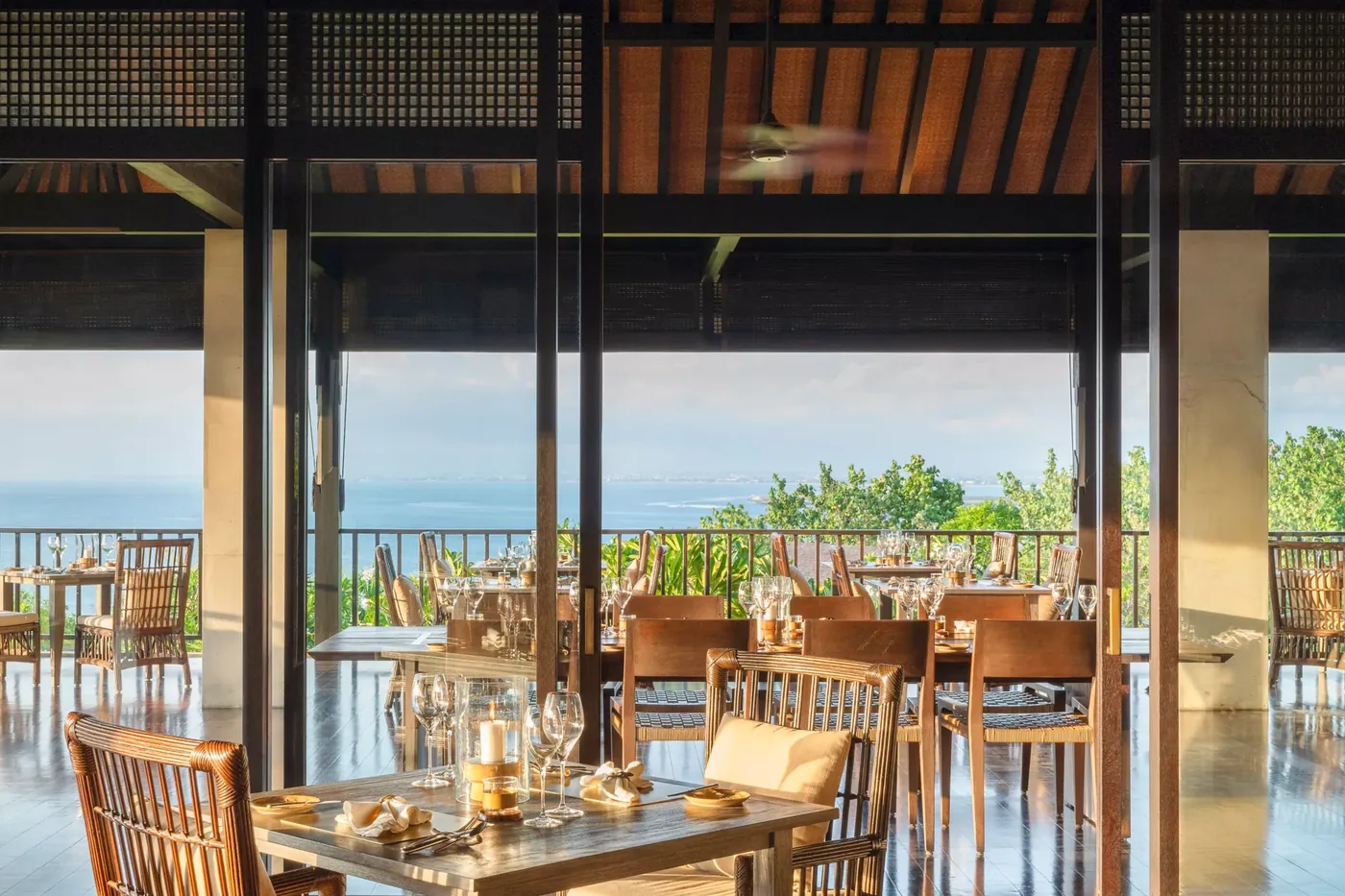
The best of them, and the proof of what happens when an owner decides to stop being sensible. Raffles handed a very talented chef, Gaetan Biesuz, what amounts to an unlimited budget, and put the restaurant at the highest point of the resort. What arrives is intelligent Indonesian cooking with French technique, or French cooking with Indonesian ingredients, depending on which side of that argument you fancy, and the fact that the argument exists at all is the point. Nothing else in a Bali hotel is thinking this hard, and if the stars ever do come, this is where the first one lands.
2. Il Ristorante – Niko Romito, Bvlgari
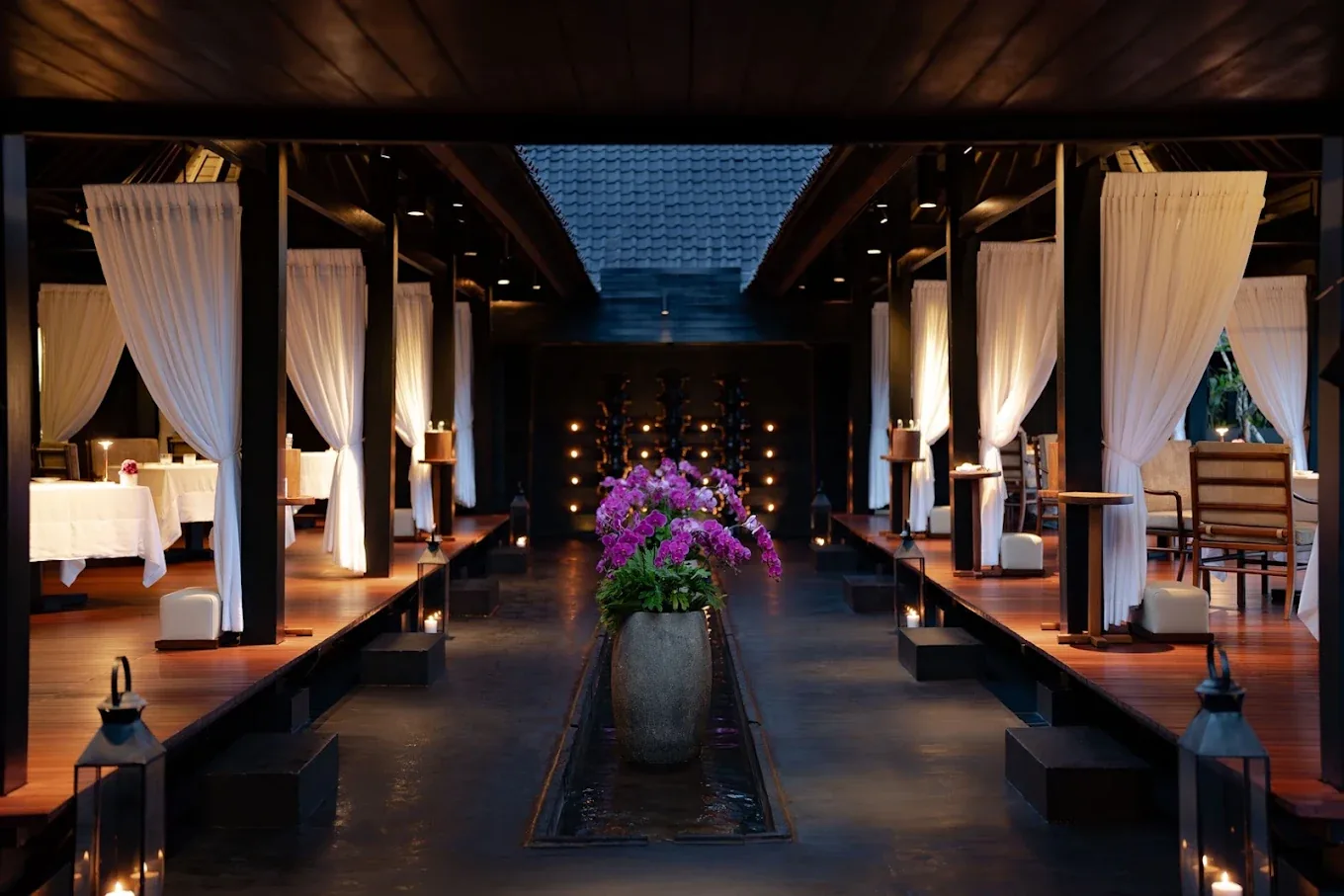
Superb, and the least Balinese thing on this list, which is not a contradiction. Niko Romito holds three Michelin stars at Reale in Abruzzo and built this concept exclusively for Bvlgari: he wrote the menus and personally trained every chef who runs one. There are eight now, in Dubai, Beijing, Shanghai, Milan, Paris, Tokyo, Rome and here. Twenty-four seats on the Uluwatu cliffs, exact and precise and beautifully executed. You are eating a system rather than a place, and the system happens to be a very good one.
3. Apéritif, Viceroy Ubud
The most French restaurant on the island, run by the Belgian chef Nic Vanderbeeken. Luxury ingredients, a classical room, and dishes executed without a fault anywhere in them. You could be almost anywhere in the world here, and there are evenings when that is exactly the point.
4. Kayuputi, The St. Regis
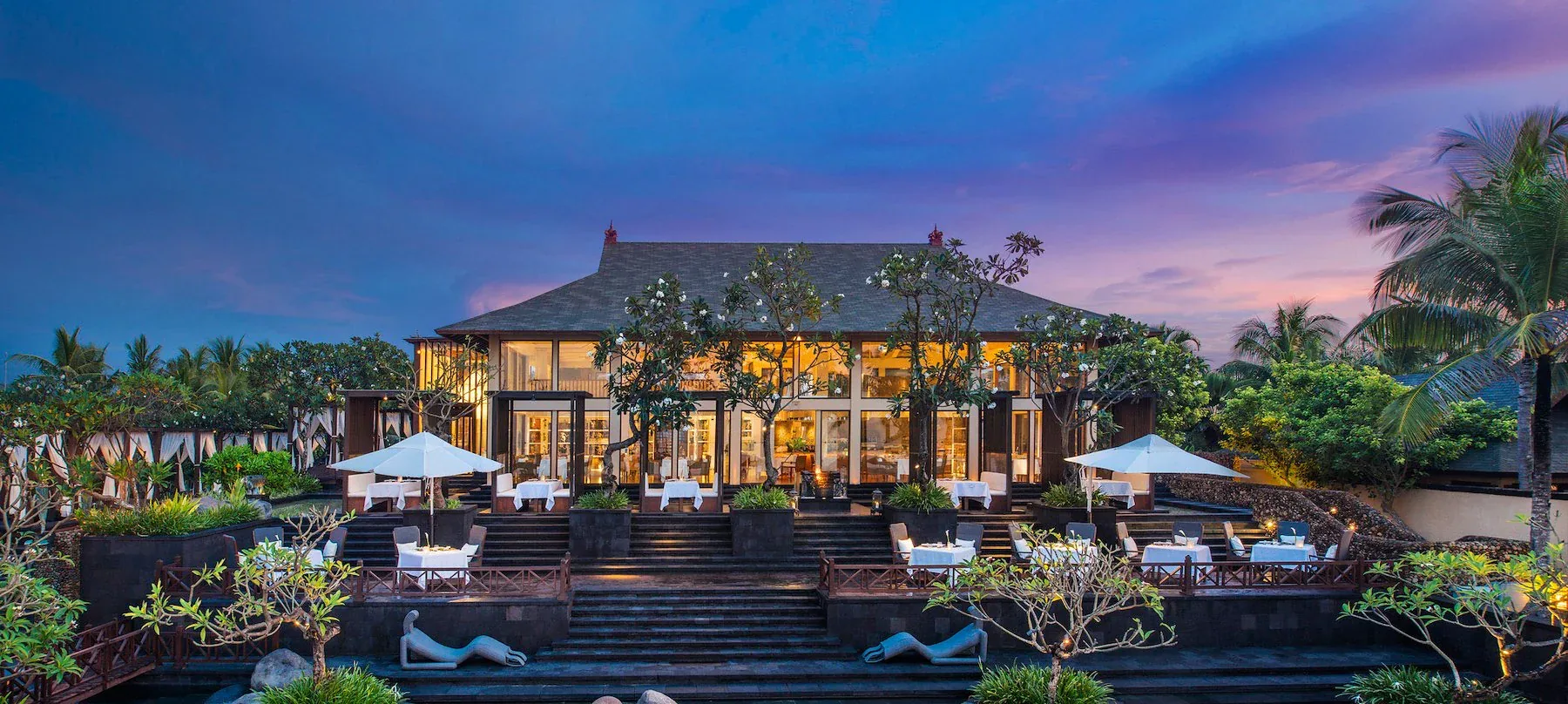
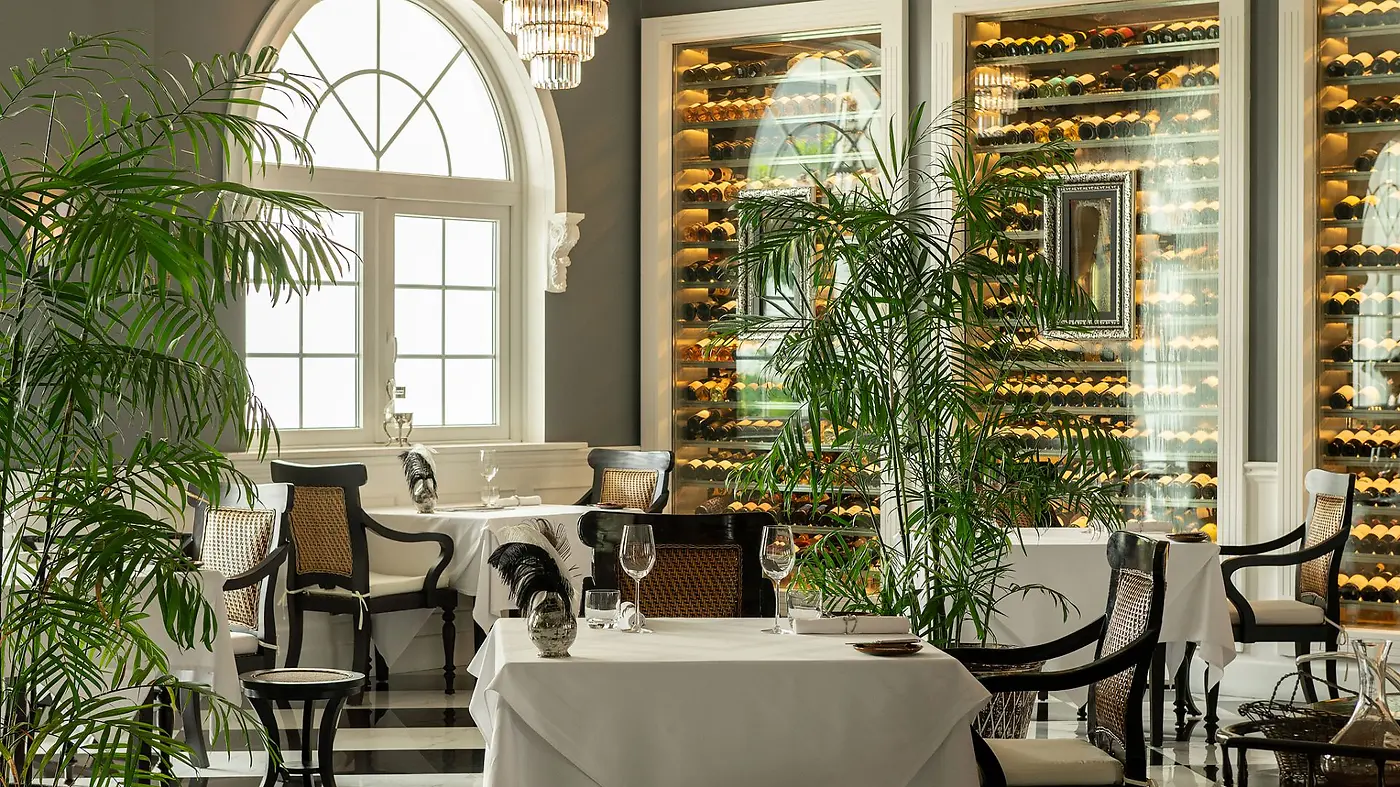
The best wine list on the island, and that is not a small claim in a place where wine is genuinely difficult. Import duty makes a decent bottle cost what a great one costs elsewhere, and half the restaurants here pour it outdoors in thirty degrees, which is a slow execution of everything the winemaker was trying to do. Kayuputi gets all of it right: the list, the glassware, and sommeliers who have actually been trained rather than handed a corkscrew. I collect wine, I am difficult about it, and this is the one room in Bali where I stop worrying and read the list properly.
5. Izakaya by OKU, The Apurva Kempinski
For years this island was missing a Nobu, and I mean that as a description rather than an insult. Nobu Matsuhisa built a kitchen out of Japanese technique crossed with the years he spent in Peru: black cod in miso, yellowtail with jalapeño, tiradito, rock shrimp tempura. Precise, generous, expensive, and designed to travel. Bali, of all places, never got one.
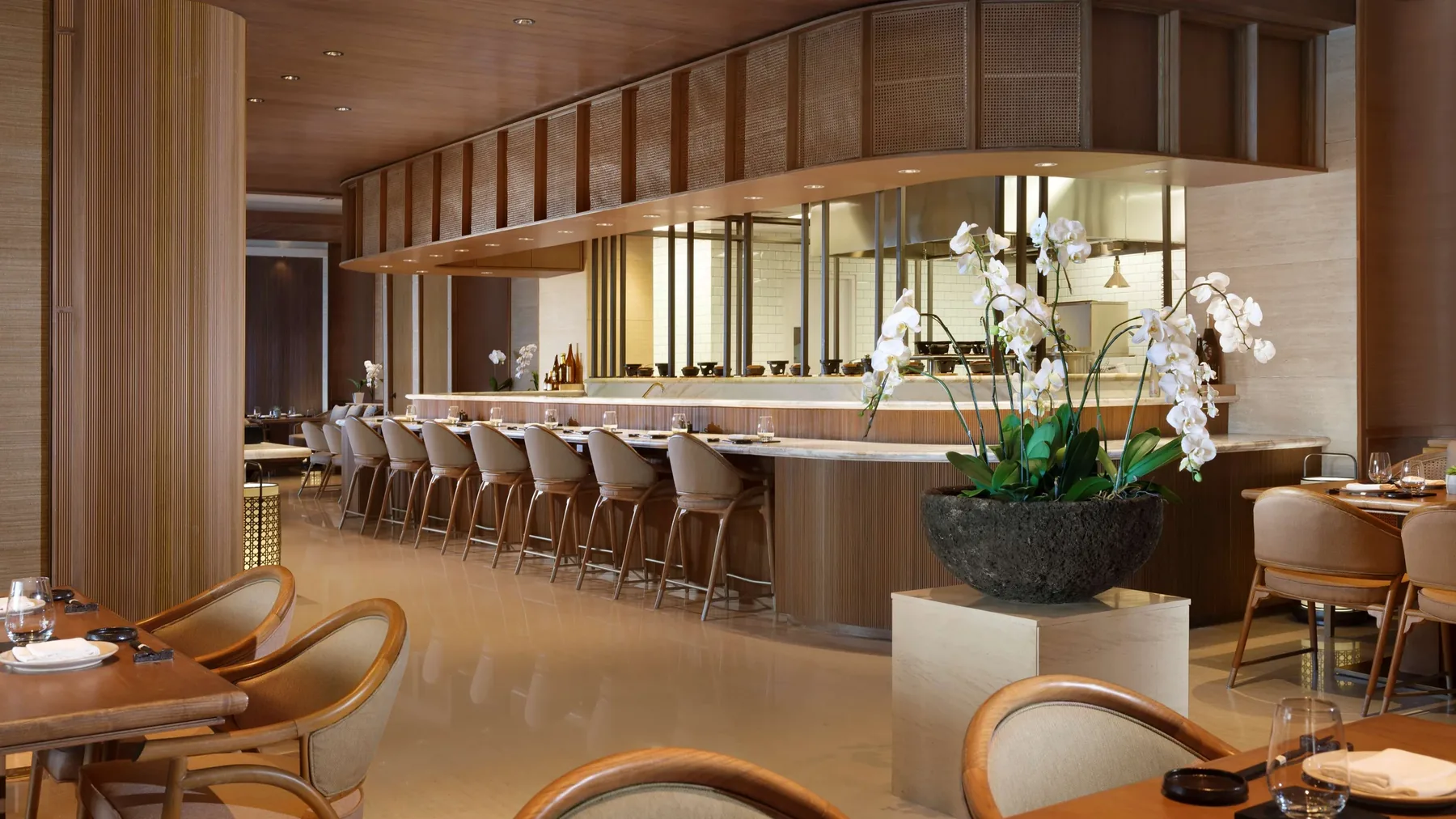
Izakaya by OKU, imported from its award-winning parent in Jakarta, finally fills that hole, and it does it better than I expected. The dishes are properly balanced, the ingredients are good, and above all the cooks are serious. In this genre you very often find the opposite, a kitchen coasting on sauces and a famous format. Not here.
6. The Cave by Ryan Clift, The Edge
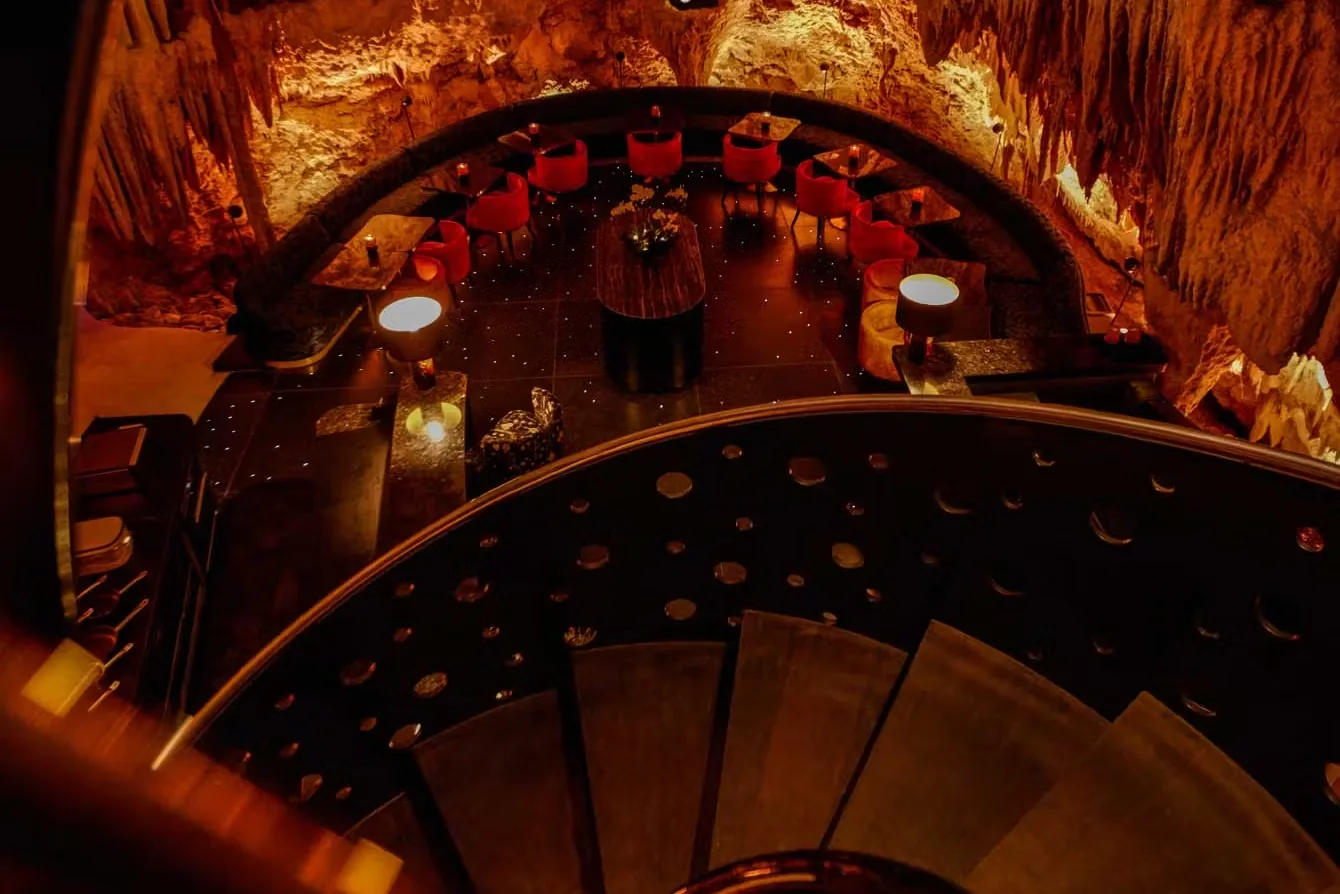
The only address here in a hotel I have not written up, and the most extraordinary room on the list: twenty-two seats inside a cave reckoned to be twenty-five thousand years old. Ryan Clift was one of my favourite chefs in Singapore at Tippling Club and I am glad he has washed up here. I do want the cooking to get braver, because he is playing it considerably safer than the man who ran that kitchen in Singapore ever did.
7. Kubu, Mandapa
An experience before it is a meal: the cocoons, the architecture, the river below. The tasting menu occasionally reaches too far and would be better a shade more classical, but the ingredients are serious and the technique is real, and the setting has no equal in Ubud.
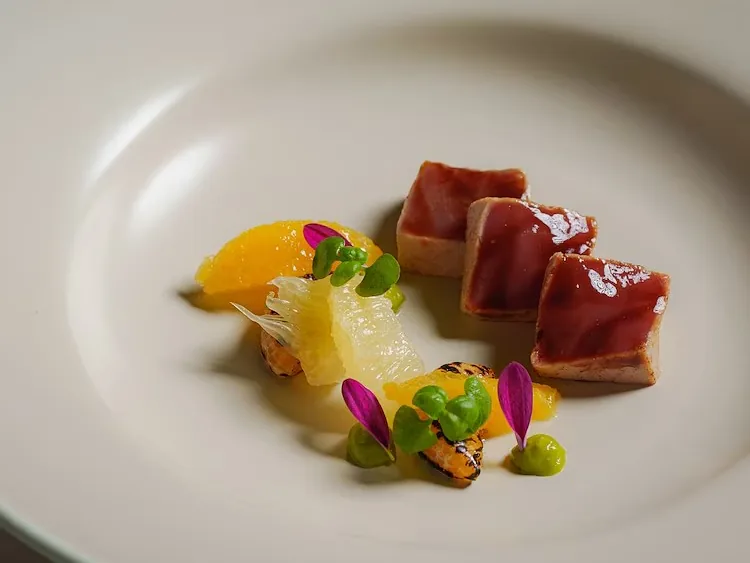
8. Dome, Desa Potato Head
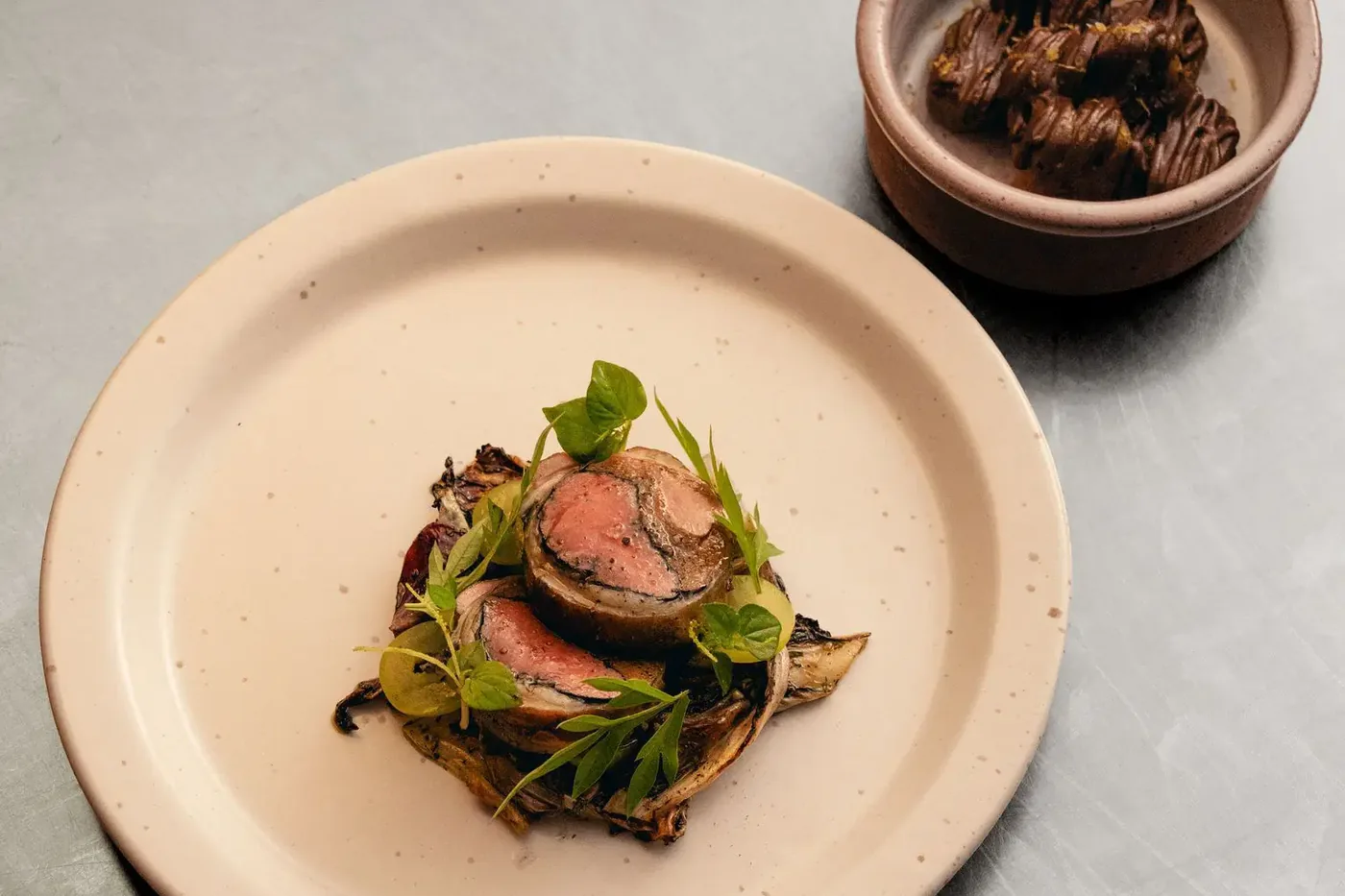
The only Nordic kitchen on this list, and the food is good to eat rather than merely good to photograph. That is a sneer and I intend it. This island is full of restaurants that have decided to cook with local ingredients only, which sounds noble until you consider the nature of the ingredients, and I have sat through a number of disappointing evenings built on that principle. A handful of independents manage it. Inside a hotel, Dome is the one that does.
9. The Tempayan, Tanah Gajah
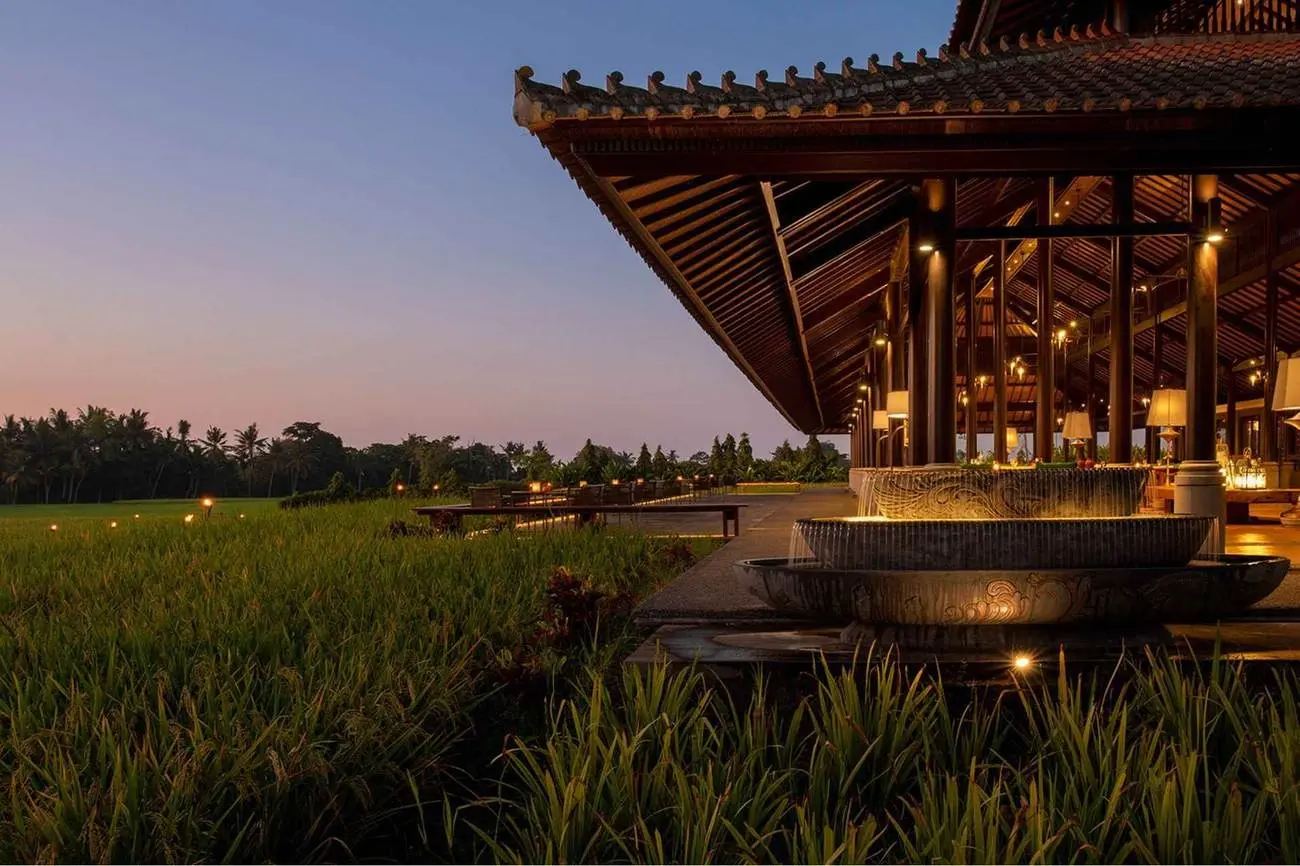
The hardest one to place. This is essentially a private chef who needs to be in the mood, and when he is, nobody on this island can go near him. When he is not, you have had a pleasant dinner in a beautiful room. Ask before you book, and if the answer comes back enthusiastic, go.
10. Api Jiwa, Capella Ubud
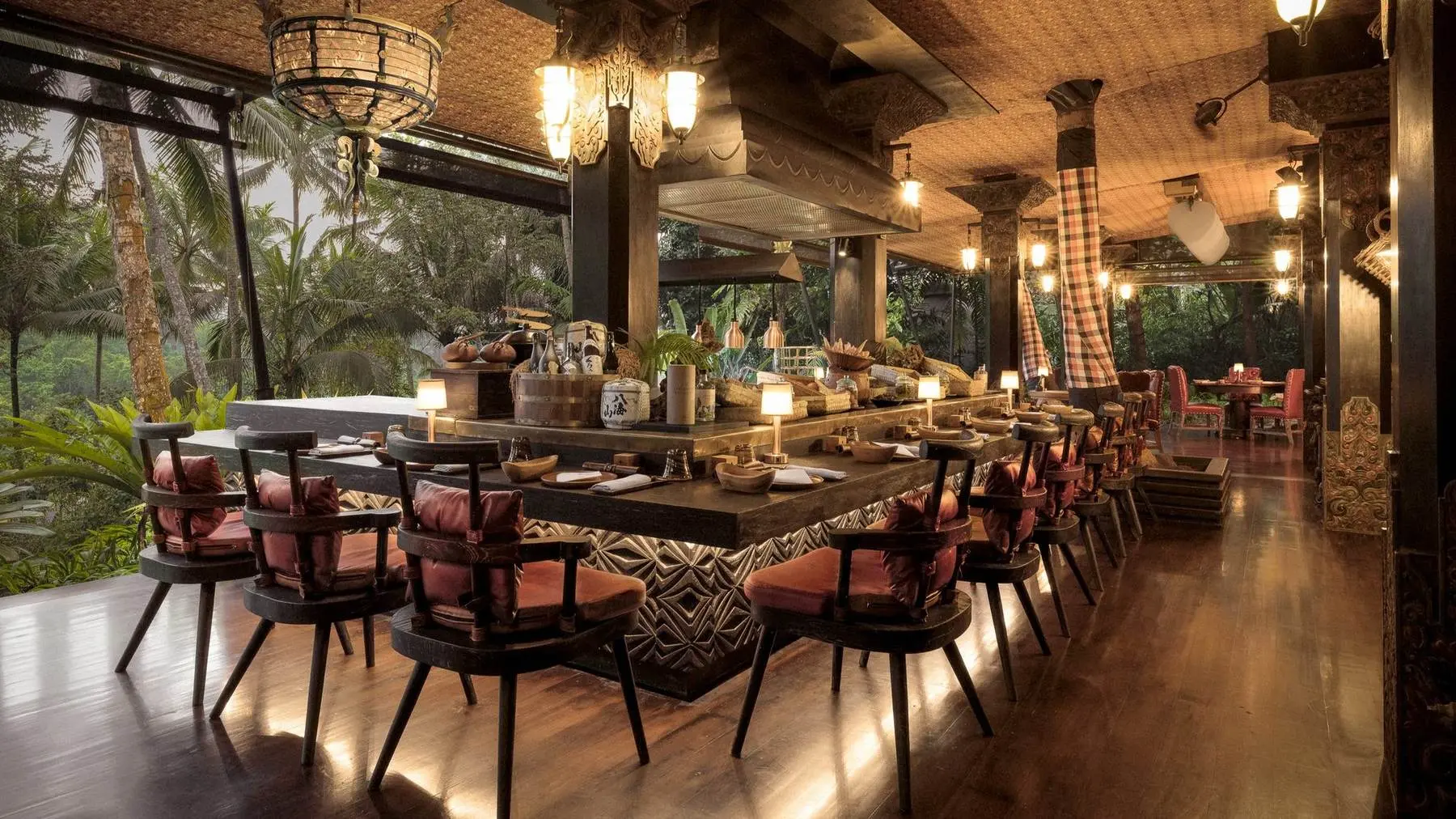
A dreamy kappo-inspired kitchen built around a grill in an open-air room in the forest, polished into friendly, accessible Japanese fine dining. The reason it makes this list is that it is attempting something genuinely ambitious, the sort of thing you meet in Japan or in a serious city, and in Bali that kind of concept usually arrives as fashion: photogenic, hip, and image well ahead of cooking. I went expecting precisely that and found serious chefs, excellent ingredients, and a team visibly working to make the evening memorable.
The ten, at a glance
| Restaurant | Hotel | Kitchen | Go for |
|---|---|---|---|
| 1. Rumari | Raffles Bali | Indonesian with French technique | The most ambitious cooking in any Bali hotel |
| 2. Il Ristorante | Bvlgari | Italian, Niko Romito’s concept | Precision, and 24 seats on the cliff edge |
| 3. Apéritif | Viceroy Ubud | French, classical | Luxury ingredients, faultless execution |
| 4. Kayuputi | The St. Regis | Pan-Asian, fine dining | The best wine list on the island |
| 5. Izakaya by OKU | The Apurva Kempinski | Modern Japanese | The Nobu this island never got |
| 6. The Cave | The Edge, Uluwatu | Modern European, tasting only | 22 seats in a 25,000-year-old cave |
| 7. Kubu | Mandapa | Modern European | The cocoons, the river, the setting |
| 8. Dome | Desa Potato Head | Nordic, hyper-local | Local-only cooking that actually works |
| 9. The Tempayan | Tanah Gajah | Indonesian and European | A chef on form, if you catch him on one |
| 10. Api Jiwa | Capella Ubud | Kappo-inspired Japanese | Ambition delivered rather than posed |
All ten take bookings from people staying elsewhere. Nine sit in hotels reviewed on this site; The Cave is the exception.
And to be clear, you do not eat badly here
None of the above is a complaint about the island. You can eat very well in Bali, and some of the most interesting work anywhere in Indonesia is happening in hotel kitchens trying to work out what Indonesian food on a tasting menu should actually be. There is real push. Chefs are arriving, budgets are loosening, and the gap between the best hotel kitchens and the best independent ones is closing rather than widening.
I think the next few years are going to be very good. This list will look different by then, and that is the most optimistic sentence I can write about any part of this island.
Torn between two hotels and wondering whose kitchen your children, or your partner, will actually enjoy? Send me a WhatsApp and I’ll look at it with you. No charge, no obligation.
MESSAGE SVEN →