Viceroy did not get worse. That's the thing I keep having to explain about this hotel, and about Amandari too, because both of them get discussed now in a faintly apologetic tone that neither has earned. Neither declined. The island moved.
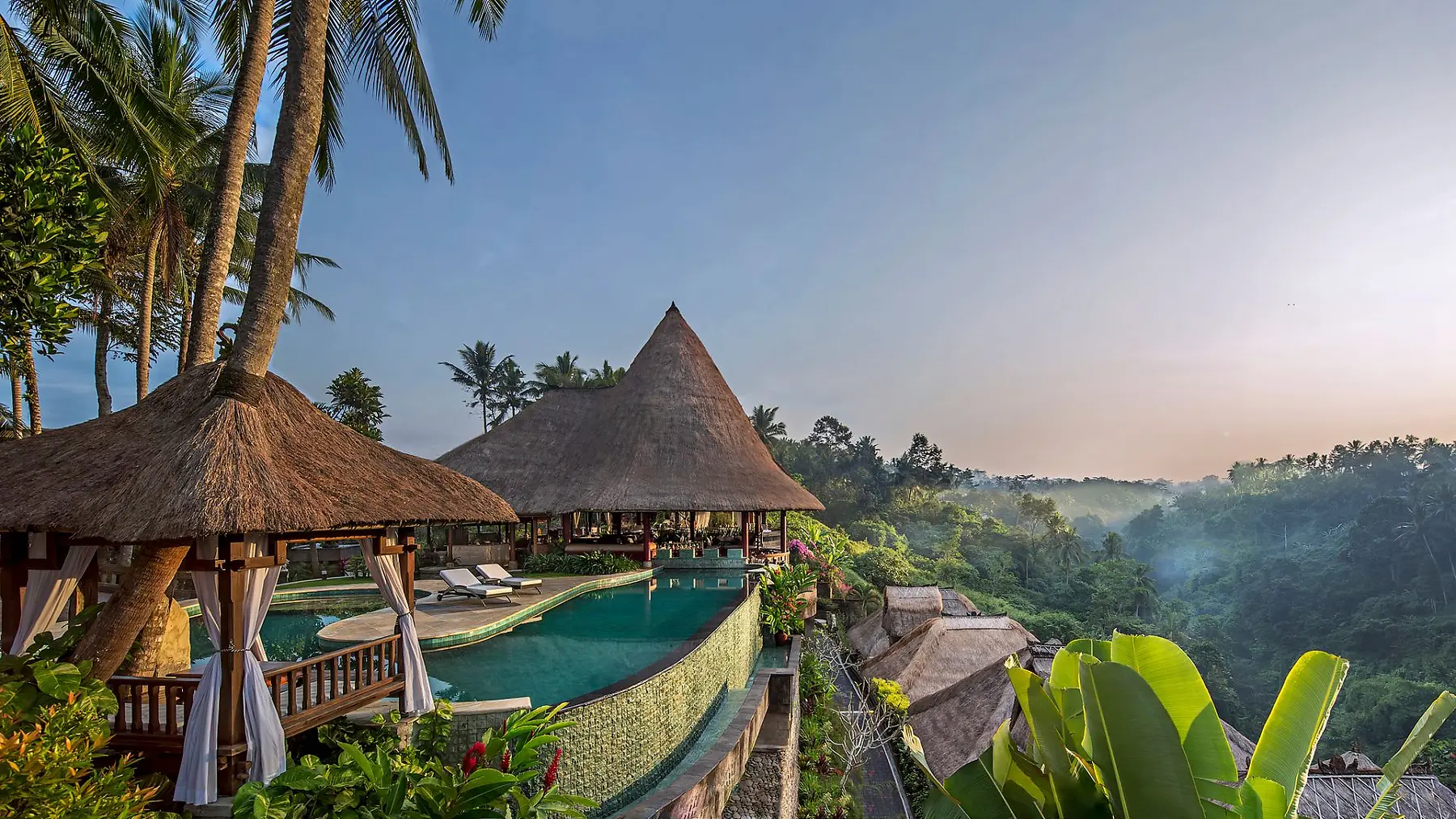
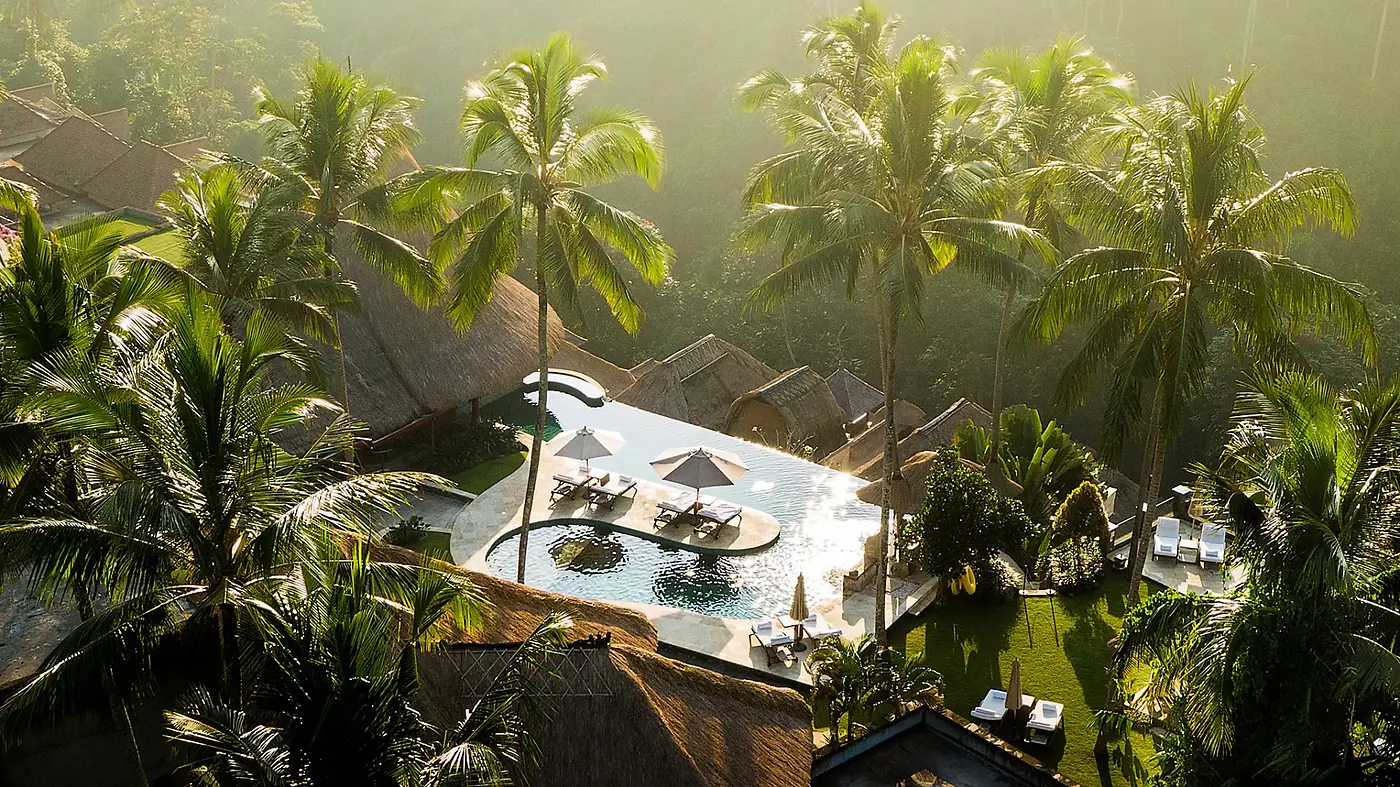
A private pool with every villa was extraordinary when this place opened. It now comes as standard with villas costing a fifth of the price. The pool here was as remarkable as Amandari's; today there are infinity edges with spectacular views in every direction you look. Four staff per guest was almost unheard of, and several hotels now run comparable ratios. The architecture, the interiors, the whole proposition: distinctive then, comprehensively overtaken since.
So the position these hotels once held has been dismantled through no fault of their own, and that leaves the only question actually worth asking. Not whether Viceroy is still good, but what's left once everything copyable has been copied.
To answer that you need to know what they were trying to do in the first place.
The bet they made
Viceroy opened in 2005, as far as I know the fifth luxury resort in Ubud. Amandari came first in 1989, then Four Seasons Sayan and Begawan Giri in 1998, the latter now COMO Shambhala, then COMO Uma Ubud a year before this one. I'd put a slight hedge on that order but not much of one. What matters is what Ubud was at the time: a small artists' enclave in the jungle with almost no tourists in it, where building a luxury resort was not an obvious commercial decision.
The land had once belonged to the Balinese kingdom of Peliatan, which is where the name comes from. A viceroy is a governor who rules on behalf of a crown. The Australian family who built it, the Syrowatkas, still own it, and that one fact explains almost everything else worth saying about the place.
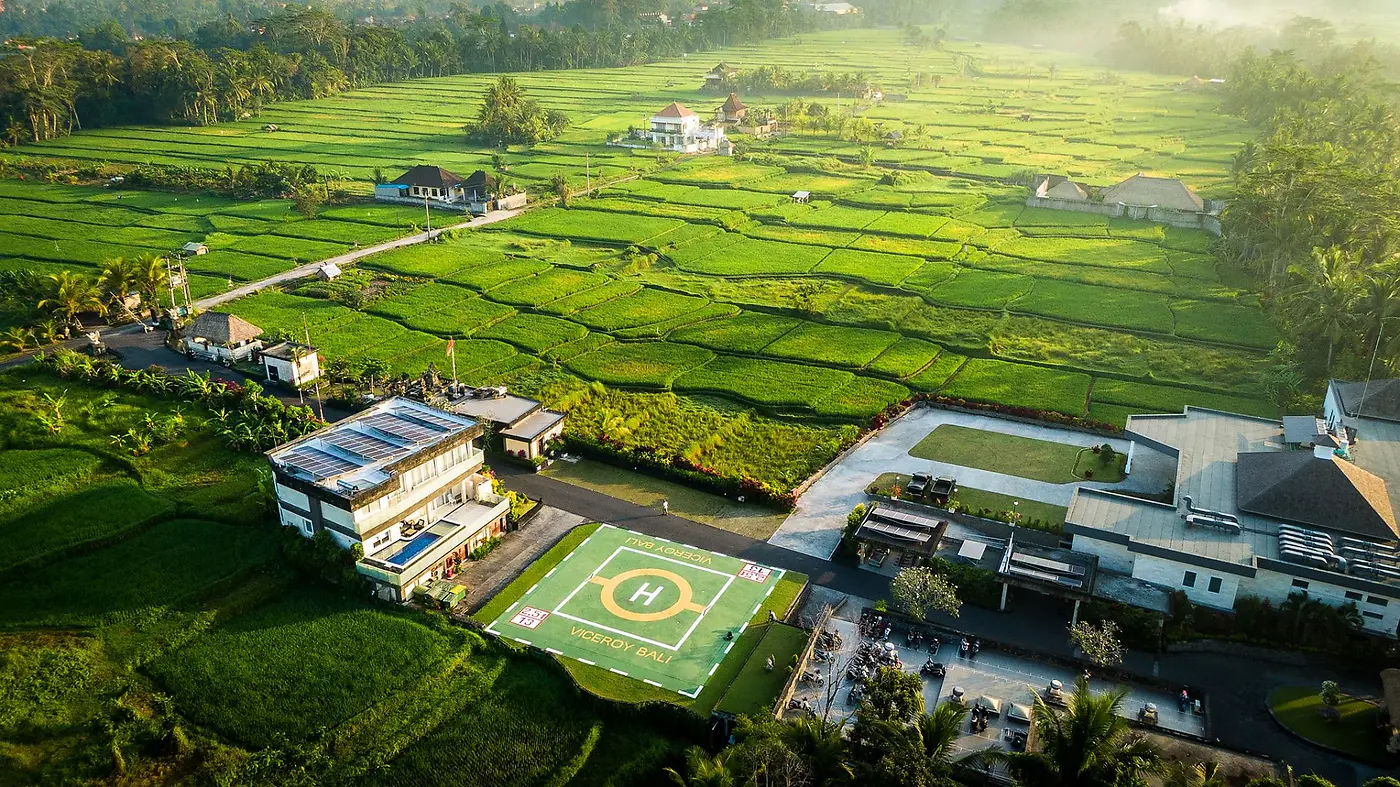
Their strategy rested on three things, all bold at the time. Margaret Syrowatka wanted a marriage between rough Balinese tradition and uncompromising Western luxury, which was not how anyone in Ubud was thinking then. They opened with eleven villas and refused to compromise on privacy, so every villa got its own pool regardless of category. And they built a helipad, in a jungle village full of painters, because the plan was explicitly to be reachable by the very rich.
The aim was never to be the largest resort in Ubud. It was to be the most exclusive and the most independent. Keeping control inside the family let them guarantee close to four staff per guest and a level of privacy the chains couldn't match. Where the other properties of that era leaned into local immersion, Viceroy set out to be the most luxurious address on the island, full stop.
Which brings us back to the question. What's left is everything the island couldn't be bothered to copy, and all of it exists for one reason: this place answers to an owner rather than to a brand.
Things no brand manager would sign off
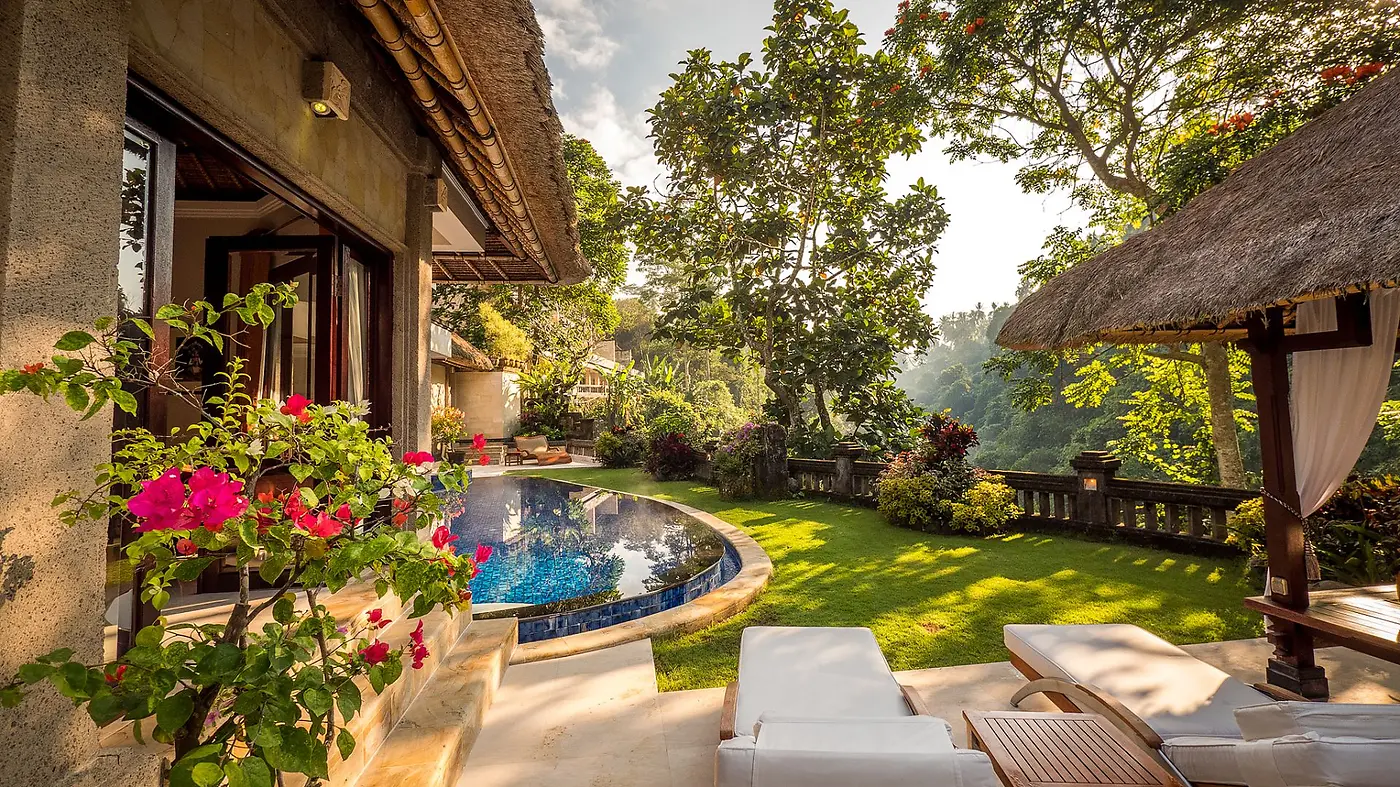
All forty villas have heated pools. Not the top categories, all of them, which as far as I know is unique here. Heating a swimming pool wins nobody a photograph. It also rescues your entire day, because at this altitude the water is regularly too cold to enjoy.
They drilled their own mountain spring, eighty metres down, and filter it hard enough that you can drink safely from the tap in your villa. This is the only property I know where that's true. And to prove it rather than merely claim it, the family holds monthly tastings of their own tap water, which is either magnificent or slightly unhinged depending on your temperament.
Then there's the wastewater. It runs through an eighteen-stage organic treatment process before reaching the Petanu river, and what comes out is cleaner than the water it joins, which benefits the villages downstream. Nobody in the history of travel has booked a hotel because of its sewage. That is precisely the point. Try imagining any of those three surviving a corporate spending review.
The same reason it isn't tidy
That ownership shows up just as clearly in things a chain would never allow. At Mandapa or Four Seasons Sayan, corporate perfection runs everything and each cushion sits where a manual says. Here you're inside a family project that grew from eleven villas to forty, and the design grew with it rather than being imposed on it.
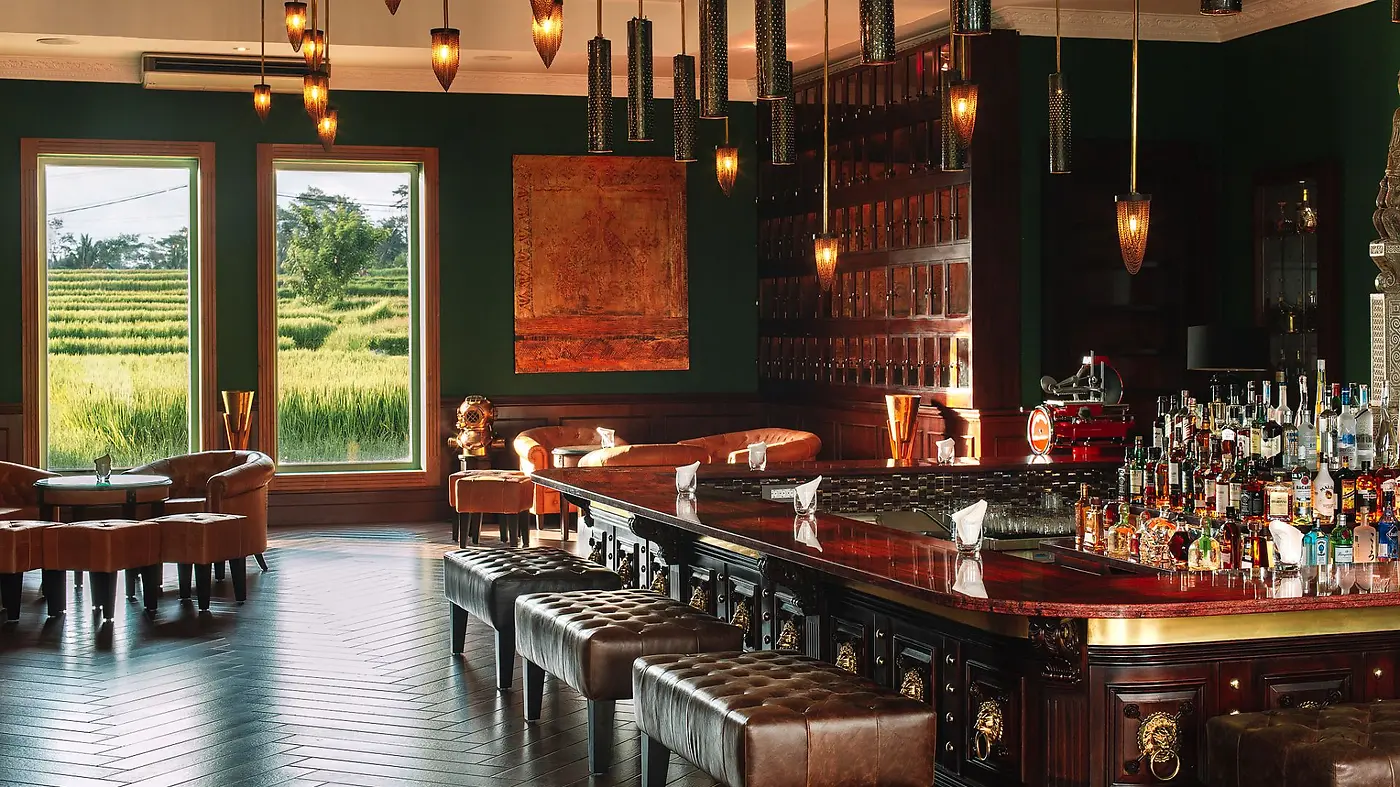
The result is that hypermodern work stands next to a mildly kitsch carved stone elephant, and around the corner is a bar that feels like a gentlemen's club from 1925. The place has been decorated as though it were the family's own house, which got somewhat out of hand. That is exactly how it reads. I'll admit it occasionally tips too far even for me, and there are corners where the kitsch simply wins. But the elephant and the eighteen-stage water plant come from the same impulse, and you don't get one without the other.
The same reason Apéritif exists
Which brings me to the boldest thing they've done, and the one that had no business working.
The golden rule of resort dining is that you serve what the guest wants, when they want it. People come up from the pool in a robe and they want a club sandwich, a burger, a nasi goreng. Every resort restaurant on earth is built on that principle, because every resort restaurant exists to serve the resort.
In 2018 Anthony Syrowatka and the Belgian chef Nic Vanderbeeken decided they'd had enough of it. They opened Apéritif as a restaurant deliberately uncoupled from the people staying upstairs. No quick bite. Proper clothes. A long and demanding meal. The hotel did not adapt to the guest; the guest adapts to the restaurant. No chain would have permitted it and it worked completely. People now travel to this hotel in order to eat at the restaurant, and the villas have become the side dish.
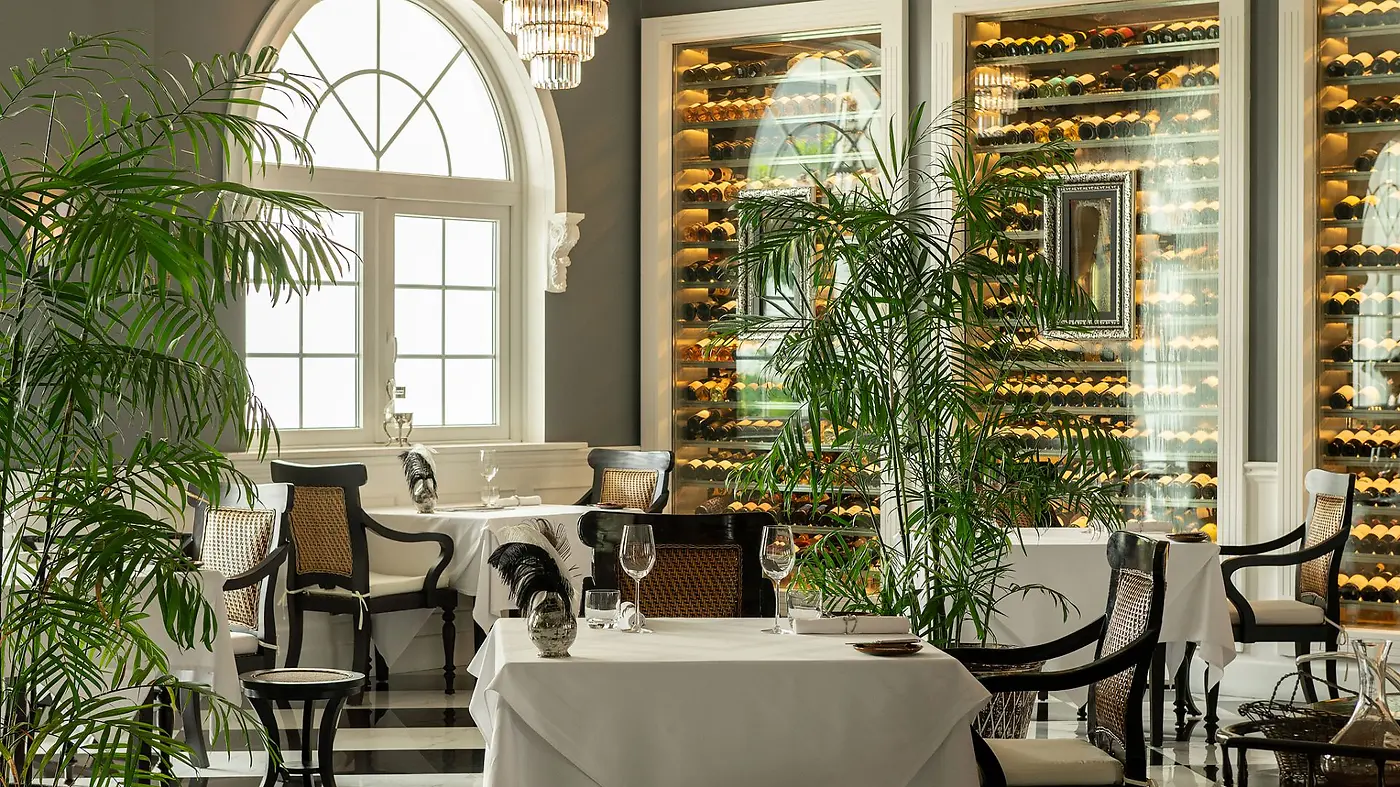
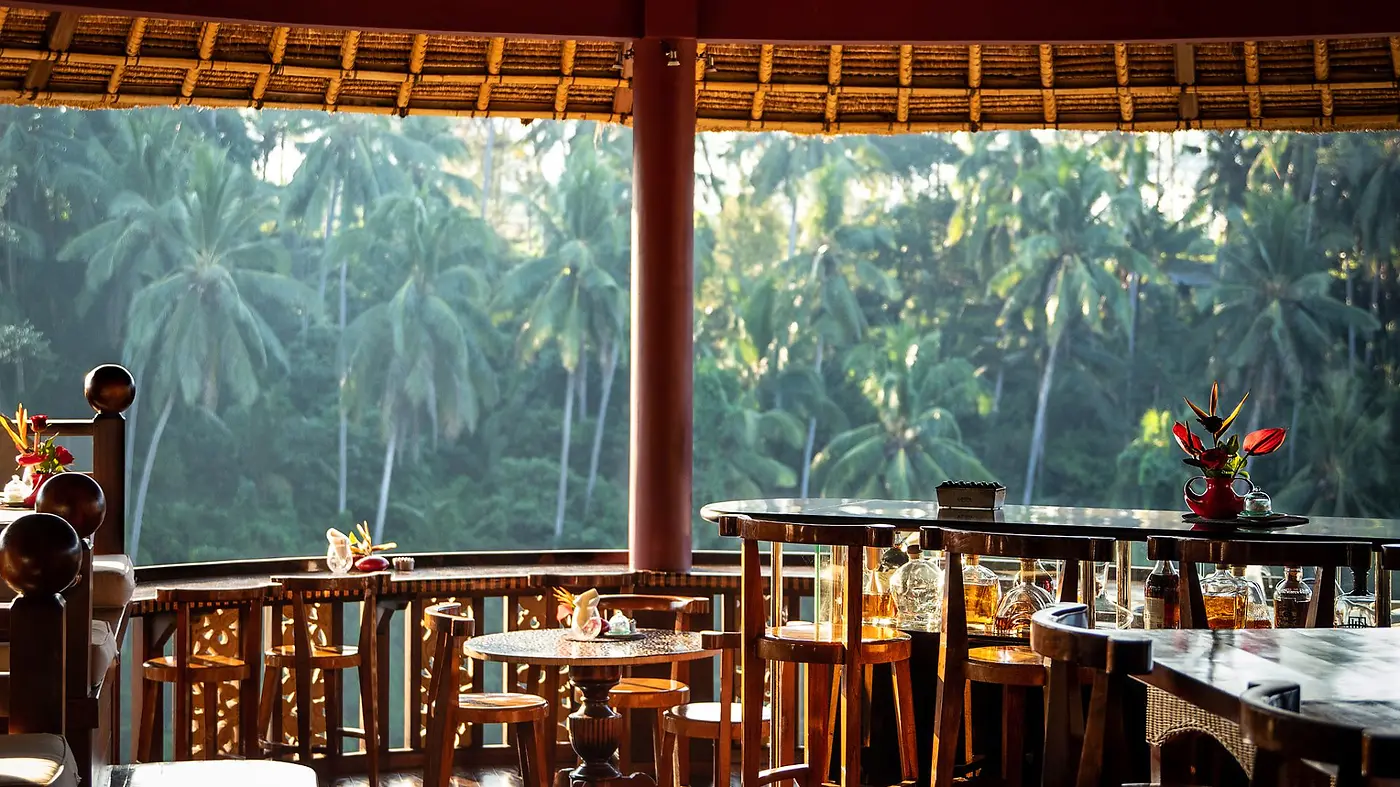
I've eaten there several times over the years without staying. It's the closest thing in Bali to the fine dining temples of Paris, and the deer wellington is an iconic dish for me. Fewer people know about the Apéritif bar, which runs in a different register altogether: chic, nearly speakeasy, somewhere between Gatsby and a private club. I've spent a lot of evenings there with friends purely for the cocktails. It feels a long way from the tourist island, and you can read that in the locals who drink there. Cascades is the accessible end of the operation, where I go for an Indonesian lunch with a view you'd cheerfully lie about having seen.
What I actually remember
Ask me about Viceroy and I don't reach for the architecture. I reach for things too small to put in a brochure.
The buggy drivers use a two-minute journey to make real contact. They ask about your plans, remember what you did yesterday, and hand over genuinely non-commercial tips about their own favourite warungs and the quiet lanes of Ubud. It never feels like the obligatory chat. It feels like getting into a car with somebody's family. The security team greet you by name every time you arrive, which I've seen nowhere else on this island. And when your buggy is waiting, somebody has been standing there holding a parasol over the seat so the leather isn't too hot when you sit on it.
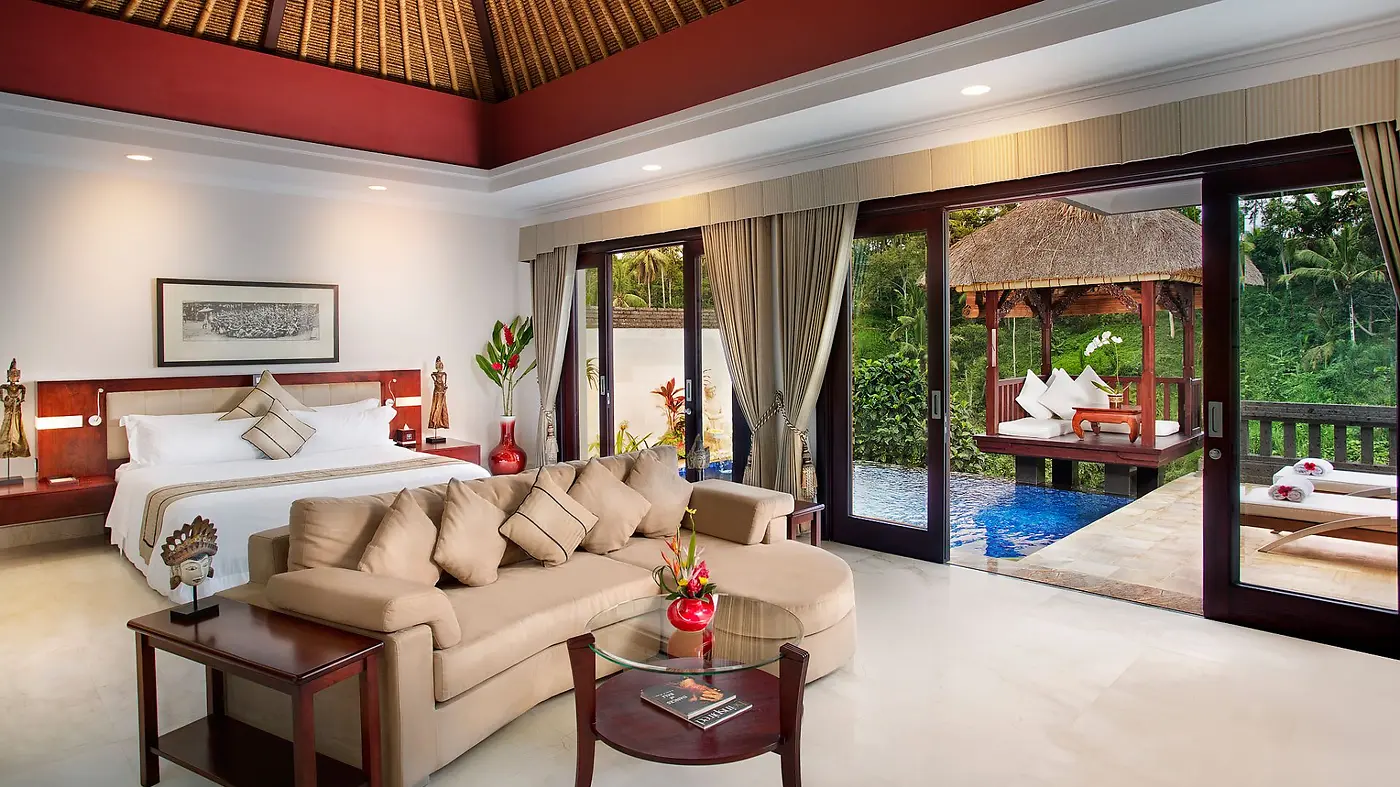
There's an aroma burner in the villa and its contents change through the day. Something bright in the afternoon, lemongrass or mint against the heat. Then at turndown housekeeping swaps it for lavender or ylang-ylang, so your senses shift into night mode without you noticing anything happened. Don't ask me how, but the ice bucket is always full. And the bellboys lay a thick woven ikat cloth on the luggage rack before your suitcase touches it, protecting the villa's woodwork and your own case at the same time. I have never seen anybody ask them to do that.
But the one my wife talks about first is better. She'd asked a housekeeper about the symbolism of the colours in the offering basket he'd placed on our threshold. The conversation didn't get far, because his English and her Indonesian ran out at about the same moment, and they both smiled and left it there. She assumed that was the end of it.
We came back that evening to find loose petals and strips of palm leaf laid out on the table, with a note in his own handwriting explaining what each flower meant. White for the east, red for the south. He'd invited her to weave her own offering basket with him the next morning.
Nobody instructed him to do that. There is no line in any manual that covers going home, thinking about a conversation you couldn't finish, and building the answer by hand. This place has an old-world nostalgia to it and a quality I can only call old money, and it all lives at that scale.
What I'd tell you
My own villa was one of the dated ones. Very luxurious, not to my taste, and I'd rather say so than pretend. The pool is beautiful and a good place to lose a day in. The gardens are lovely. What stays with you is the setting: you sit on the edge of the gorge with the jungle on the far side, close enough that it reads as part of the property rather than scenery beyond it.
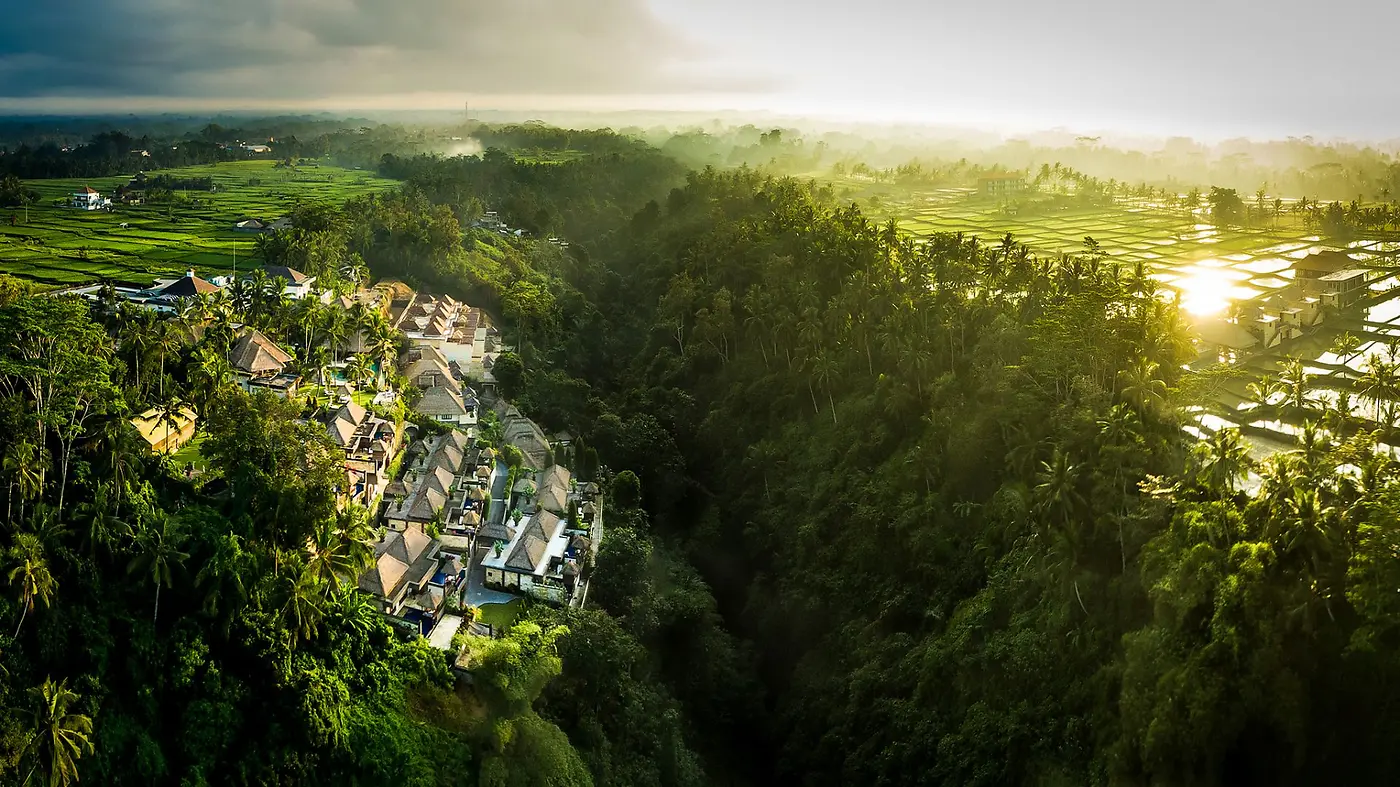
The staff are among the strongest I've met anywhere in Bali. Generations of them have shaped this hotel. I've been back so often that I now recognise faces, which given the turnover in this industry happens almost nowhere else.
From around €550 a night with benefits, which at this level is still reasonable. Come for the setting, the history and the staff. Come especially for Apéritif, and book it whether or not you sleep here. Accept the dated villas and the occasional lapse of taste, and understand that you're buying a family's twenty-year obsession rather than a finished product. Everything Viceroy invented is standard across this island now, which is what you get for going first. Private pools, infinity edges, staff ratios, all copied and improved by people who came later. What nobody has copied, and I suspect nobody can, is a housekeeper who couldn't finish a conversation in English and spent his evening writing out the answer by hand.
Viceroy Bali is available through The Banjar Collective.
GET IN TOUCH TO PLAN A STAY →