The short answer
April is my standing tip: nearly perfect weather, a deep-green island after the rains, and the crowds and prices haven’t arrived yet. May and September come close. July and August are glorious and full of energy, but busy and expensive. February is the best month for bargains at the best hotels. And December, after the 20th, is the hardest month of the year. Choose your month for the crowds, the prices and what’s happening on the island, because the weather no longer sticks to the calendar.
I’ve stopped trusting the weather charts for Bali. I’ve had a dry season that ran right to the end of November, and summers with downpours heavy enough to flood the lanes in Seminyak. More than once I’ve stood under a perfect blue sky in what was supposed to be the wettest month of the year, and been soaked in what was supposed to be the driest.
There’s a reason for it, and it lies thousands of kilometres away in the Pacific. Bali’s weather swings with El Niño and La Niña, the warming and cooling of the ocean that shapes rainfall right across Indonesia. From 2020 to 2022, three La Niña years in a row gave the island what Indonesia’s weather agency calls wet dry seasons, with heavy rain in months that should have been sunny. Then in 2023 El Niño arrived, and in Bali the drought peaked as late as November. The agency itself says that climate change is making the old patterns less reliable.
So treat the calendar below as a guide, not a promise. The better reason to choose a month in Bali is everything else: how busy the island is, what the hotels charge, and what Bali itself is doing that month.
Bali, month by month
| Month | Weather | Crowds and prices | In one line |
|---|---|---|---|
| January | Wet, warm, dramatic | Busy first week, then quiet and cheaper | Ubud and the jungle, not the west coast |
| February | Wettest, short heavy showers | The cheapest month | The best bargains at the best hotels |
| March | Settling down | Quiet, around Nyepi | The island goes silent for a day |
| April | Nearly perfect, deep green | Still quiet, still good value | My standing tip |
| May | Dry and sunny | Getting busier | One of the best months |
| June | Driest air, cool breeze | Busier | Cool nights in Ubud, calm seas in the east |
| July–August | Dry, breezy, reliable | Peak crowds, peak prices | Full of energy, and traffic |
| September | Like April, less wind | Prices back to normal, offers return | The quiet after the peak |
| October | Hottest, more humid, calm sea | Reasonable | Calm before the rains |
| November | Rainy season begins | Cheap, lots of deals | A quiet, slow holiday |
| December | Green and wet | Fine until the 20th, then the most expensive | The hardest month |
A guide, not a promise: in recent years El Niño and La Niña have shifted Bali’s seasons by weeks at a time.
January
Wet, warm and tropically dramatic. The first week is an expensive hangover from New Year; after that, occupancy and prices fall away fast, and it’s the month when an upgrade is most likely to come your way. The monsoon winds now blow straight onto the west coast. That means spectacular surf for the professionals, and a lot of plastic washed up on the beaches of Seminyak and Canggu, which, believe me, will not improve your mood.
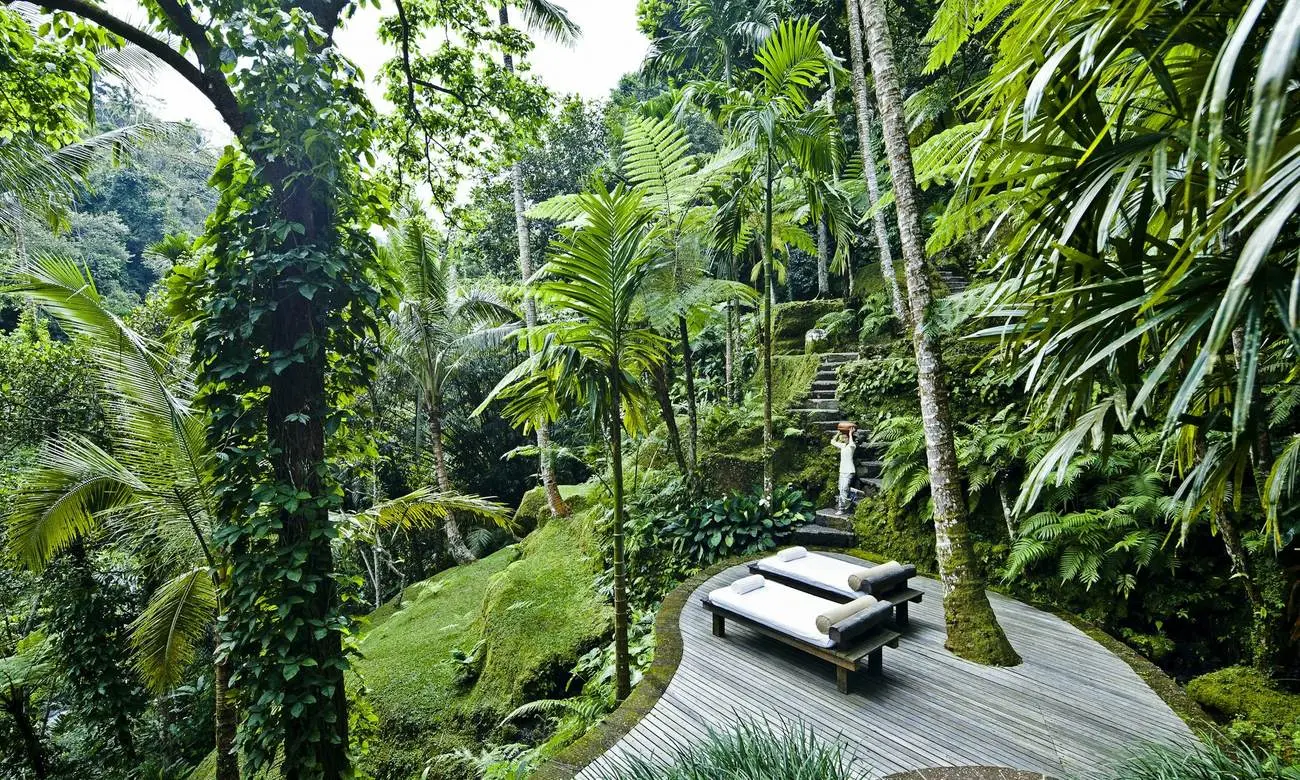
This is Ubud’s month. Yes, it rains fairly often, but the rain suits the jungle and its mystery, and it’s the perfect time for a holistic holiday at COMO Shambhala, Four Seasons Sayan or Mandapa. In some years January also brings Galungan, when every street is lined with penjor, tall bamboo poles arching over the road, hung with offerings.
February
The cheapest month of the year, and on paper the wettest. But rain in Bali isn’t rain in Vietnam or Thailand. Bali sits close to the equator and almost entirely outside the typhoon belt, so instead of days of storms you usually get a short, heavy downpour in the afternoon and sunshine either side of it.
For me, February is the month to find the best deals at Bali’s best hotels. There are few tourists, which means little traffic, so you can cover the island quickly and see far more of it without losing half the day in a car. It’s the closest Bali gets to feeling the way it did twenty years ago.
March
March revolves around Nyepi, the Balinese New Year and the holiest day of the year. For twenty-four hours, from six in the morning, the whole island goes silent: no lights, no traffic, no work, no entertainment, and even the airport closes. The Balinese spend the day in reflection, and visitors are asked to stay inside their hotel. The night before, villages parade giant demon effigies called ogoh-ogoh through the streets before burning them to cleanse the island. In 2027 it falls in early March; check the exact date before you book your flights.
Don’t think of Nyepi as a restriction. It’s one of the most extraordinary days you can spend anywhere. Hotels serve dinner early and the lights stay low, and with no light pollution across the entire island, the night sky is unlike anything you’ll have seen. March is also when the weather settles, and the season slowly begins.
April
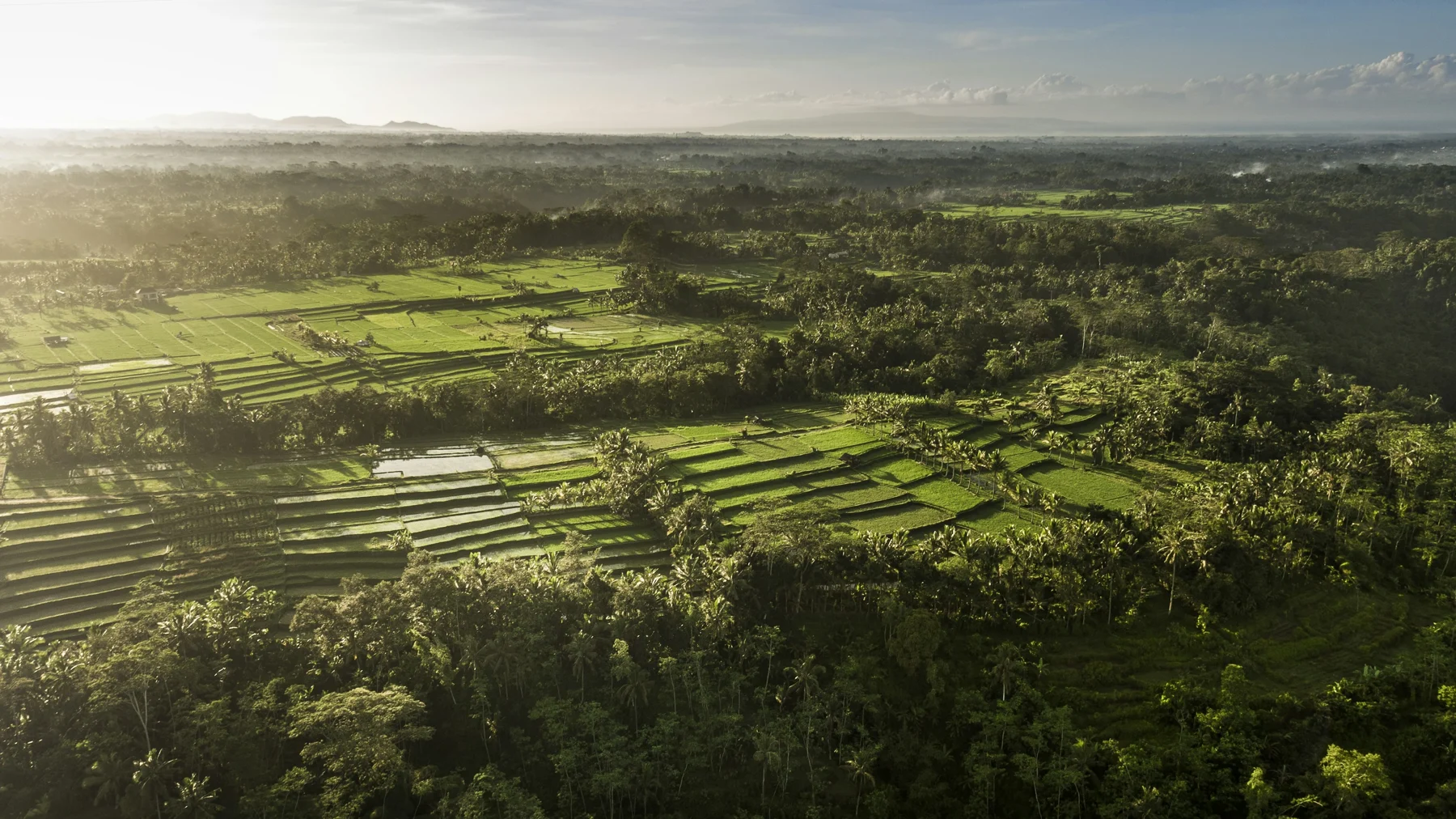
April is the tip I give everyone. The weather is very nearly perfect, but most of the tourists haven’t arrived. The island is deep green after the months of rain, the prices are still low, so hunting for a good deal is still worth it, and Bali is quiet. The best of both worlds.
It’s also the best month to snorkel or dive with the manta rays off Nusa Penida, which is close to a mystical experience. My advice: skip the crowded public speedboats and charter a private boat from Serangan, so you arrive at Manta Point on your own schedule rather than everybody else’s.
May
Much the same as April, only a little busier and a little dearer. Still one of the best months of the year.
June
Idyllic and warm, with a lovely, constant breeze from the south-east, and humidity at its lowest point of the year. Ubud is relatively cold, and you’ll feel it in the unheated plunge pools. This is when Viceroy, with a heated pool in every villa, comes into its own.
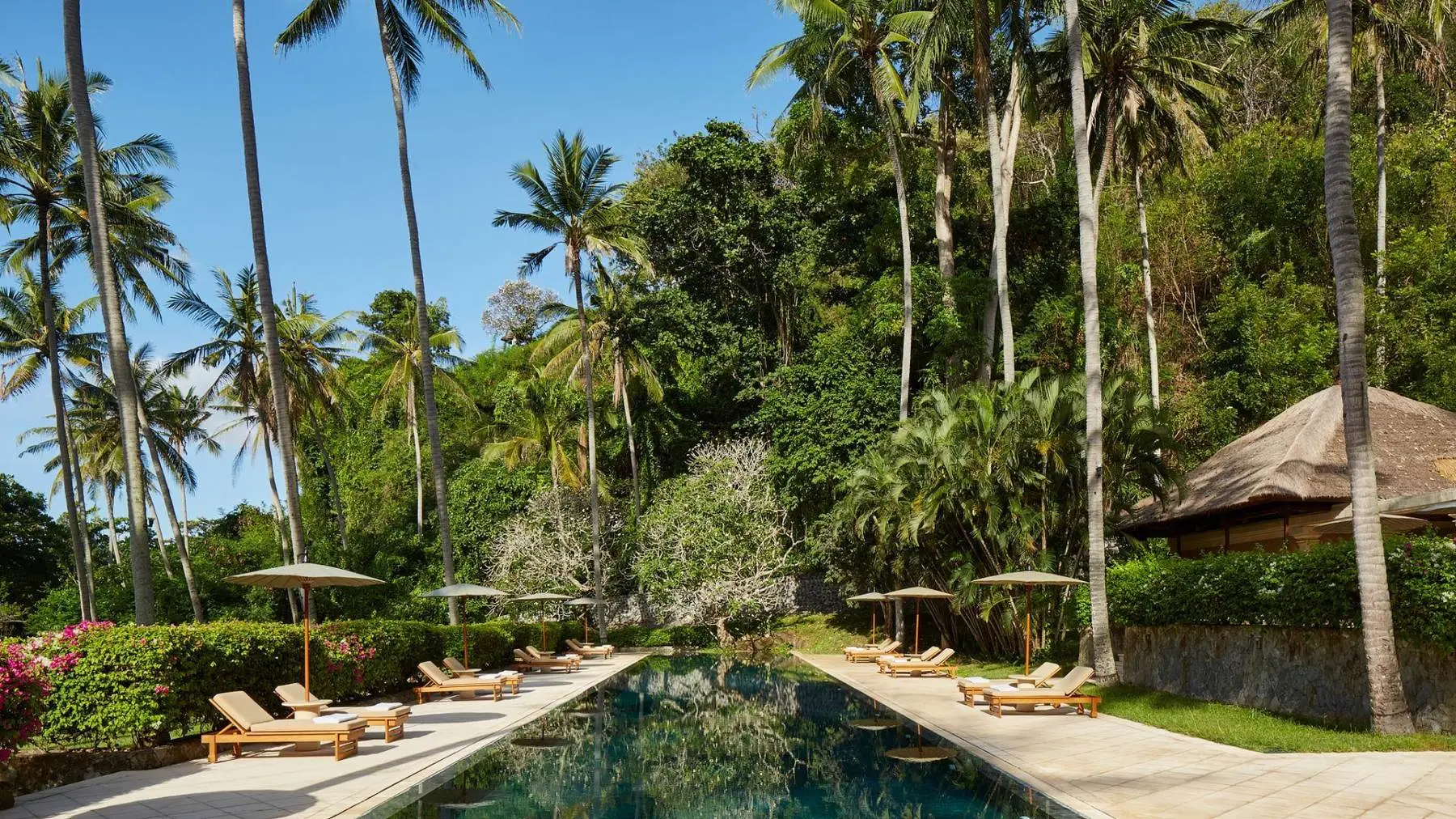
On the east coast, Amankila is at its best: clear blue seas, no waves battering the shore, its famous three-tiered pool in sun all day, and perfect weather for a trip on its private outrigger. From around July, divers start looking for the giant sunfish, the mola mola, around Candidasa and Nusa Penida.
July and August
The summer divides people. Some hate the crowds and the high prices; I’m rather charmed by it. The island is busy, but in a good way: the beaches of Seminyak and Canggu are gloriously chaotic, and there’s an energy you don’t feel at any other time. The weather is fantastic, nearly every day dry, and the breeze keeps it feeling cooler than it is. The traffic is a nightmare, of course.
This is also when Bali makes the most sense in South-East Asia. Much of the region is in its rainy season, and with hotels in Europe and the United States now so expensive in summer, Bali has become a very strong alternative. If you want the island’s energy but also an escape from it, base yourself on the cliffs of the Bukit, at Bvlgari or Jumeirah, and dip into the crowds only when you want to. Galungan can fall in these months too, and in 2027 it does, in August.
September
Much like April and May, with a little less wind. The big peak is over, the hotels are back to normal prices, and the good offers return. Current offers →
October
Possibly the warmest month, with higher humidity and calmer seas on the beaches. It’s the calm before the storm: towards the end of the month the first storms start to roll in.
November
The rainy season is officially back. Expect sultry, warm days with intense but often predictable afternoon showers. It’s a cheap month with plenty of deals; some of the best, like Jumeirah’s third night free, are made for exactly this kind of slow stay. I wouldn’t head out to the smaller islands now. Choose a calm holiday instead, and let the rain be part of it.
December
The trickiest month of the year. Until about the 20th, the island is serene, lush and green, and good value. From Christmas, the Nusa Dua enclave and Seminyak turn into a logistical inferno of travellers escaping the northern winter. Festive-season prices make no sense, and many resorts charge compulsory gala dinners on Christmas Eve and New Year’s Eve that cost hundreds of dollars per person, whether you eat them or not. You really need a generous budget to disappear into the beautiful hotels.
Where I love the energy of the summer, I personally find the end of December much harder work. If you have the choice, come before the 20th, or wait for the second week of January.
So when should you go?
If you want my one answer, it’s April. If you want the island’s energy and don’t mind paying for it, July and August. If you want the best hotels at the best prices, February or November. And if you have to come at Christmas, come with a budget and a plan.
But because the seasons no longer keep to the calendar, and because the same hotel can cost a third less a few weeks later, the best advice I can give is to send us your dates before you book. We’ll tell you what that week is likely to bring, and where your money goes furthest.
Send us your dates, and we’ll tell you what that week usually brings and which hotels are worth it then.
CHECK MY DATES →